
Neutral Color Palettes for Living Room: A Timeless Choice
1. Why Choose Neutral Colors?
Neutral color palettes for living rooms have become increasingly popular in recent years for several reasons. One of the main advantages of neutrals is their versatility. They serve as a blank canvas for any design style, whether you prefer a minimalist look or a more eclectic vibe. Neutrals also have a calming effect on the mind, making them perfect for creating a serene and peaceful environment in your living room. Additionally, neutral colors are timeless and won’t go out of style, ensuring that your space will look fresh and modern for years to come.
When choosing a neutral color palette for your living room, it’s important to consider the undertones of the colors you select. Warm neutrals, such as beige, ivory, and taupe, can create a cozy and inviting atmosphere, while cool neutrals like gray and white lend a more contemporary feel. Mixing different shades of neutrals can add depth and interest to your space, preventing it from feeling flat or one-dimensional.
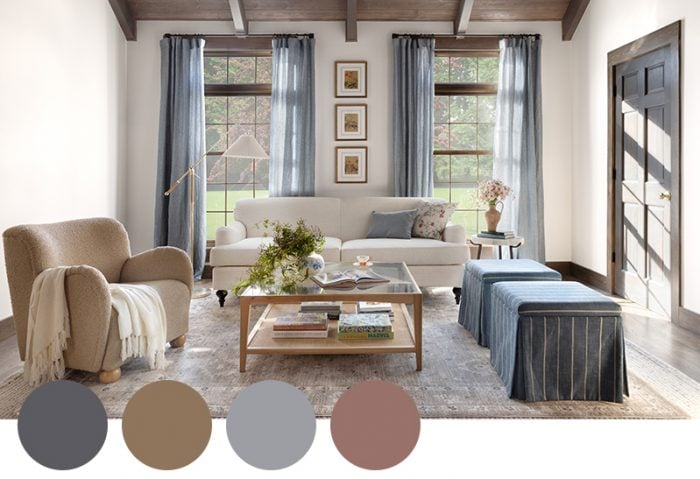
In terms of furniture and decor, neutrals provide a great base for layering textures and patterns. Consider incorporating natural materials like wood, leather, and linen to add warmth and depth to your living room. Metallic accents in gold or silver can also add a touch of glamour and sophistication to a neutral color scheme.
2. How to Use Neutrals in Your Living Room
There are countless ways to incorporate neutral color palettes into your living room design. One popular approach is to use a neutral wall color as the backdrop for your space. Shades like off-white, light gray, or greige are versatile options that can complement a wide range of furniture and decor styles. To add visual interest, consider painting an accent wall in a slightly darker shade of the same neutral color.

When it comes to furniture, a neutral sofa or sectional is a classic choice that can anchor the room and serve as a blank canvas for throw pillows and blankets in bolder colors or patterns. For a cohesive look, choose accent chairs and ottomans in coordinating neutral tones. To prevent your space from feeling too monochromatic, add pops of color through artwork, rugs, and accessories.
In terms of window treatments, consider opting for sheer curtains in a light neutral color to allow natural light to filter into the room while maintaining privacy. Layering curtains with blinds or shades in a similar neutral hue can provide both style and function.
3. Creating Contrast with Neutrals
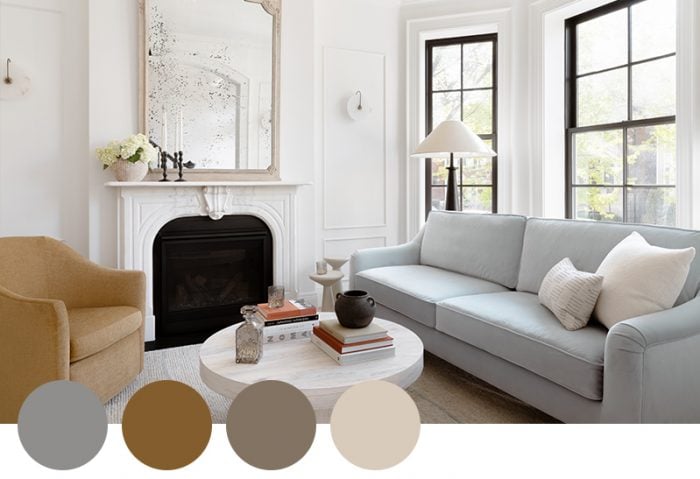
While neutral color palettes are often associated with softness and subtlety, they can also be used to create bold and striking contrasts in your living room design. One way to achieve this is by incorporating black accents into a predominantly neutral space. Black furniture, light fixtures, or decorative accessories can add a contemporary edge and create visual interest.
Another approach is to introduce texture into your neutral color scheme. Mixing materials like velvet, wool, and metal can add depth and dimension to your living room, making it feel more inviting and luxurious. Consider incorporating a plush area rug, a leather sofa, or a metallic coffee table to add tactile interest to your space.
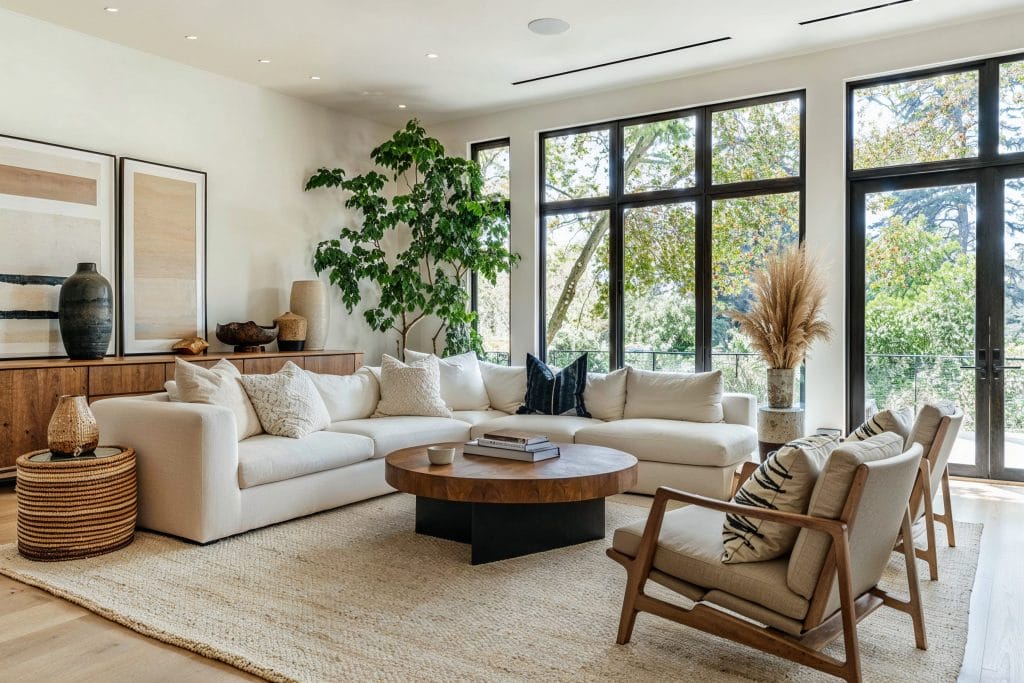
For those who prefer a more understated look, consider using tone-on-tone neutrals to create a cohesive and harmonious living room design. Layering different shades of the same neutral color can create a sophisticated and elegant aesthetic that feels cohesive and balanced.
4. Embracing Earth Tones in a Neutral Color Palette
One way to infuse warmth and coziness into your living room design is by incorporating earth tones into your neutral color palette. Earth tones like terracotta, olive green, and rust can add a sense of groundedness and connection to nature, creating a welcoming and inviting atmosphere in your space.
To incorporate earth tones into your living room, consider adding accent pillows, throws, or artwork in shades of brown, green, or burnt orange. These colors can complement a neutral backdrop and add a touch of personality and character to your space. Mixing different textures like rattan, jute, and wood can enhance the earthy vibe and create a harmonious and organic look.
For a more dramatic effect, consider painting an accent wall in a rich earth tone like deep green or warm terracotta. This can create a focal point in your living room and add depth and visual interest to the space. Pairing earth tones with metallic accents in gold or brass can elevate the look and add a touch of glamour to your neutral color palette.
5. The Importance of Lighting in a Neutral Living Room
Lighting plays a crucial role in enhancing the beauty of a neutral color palette in your living room. Natural light can bring out the subtle undertones of neutral colors and create a soft and inviting atmosphere in your space. To maximize natural light, consider keeping window treatments minimal and opting for sheer curtains or blinds that allow light to filter in.
In the evening, consider layering different types of lighting to create a warm and welcoming ambiance. Overhead lighting can provide general illumination, while table lamps and floor lamps can add task lighting and create cozy pockets of light throughout the room. Consider incorporating dimmer switches to adjust the lighting levels and create different moods in your living room.
To enhance the beauty of your neutral color palette, consider adding decorative lighting fixtures like chandeliers, sconces, or pendant lights. These fixtures can add a touch of elegance and sophistication to your space while highlighting the beauty of your chosen colors. Consider choosing fixtures in metallic finishes like gold, silver, or brass to complement your neutral color scheme.
6. Mixing Neutrals with Bold Colors
While neutral color palettes are known for their versatility and timelessness, they can also provide a great backdrop for bold and vibrant colors in your living room design. Mixing neutrals with bold colors can create a dynamic and visually interesting space that feels lively and energetic.
One way to incorporate bold colors into a neutral living room is through accent furniture or decor pieces. Consider adding a colorful sofa, armchair, or ottoman in a vibrant hue like emerald green, sapphire blue, or mustard yellow to create a striking focal point in your space. Pairing bold furniture with neutral walls and accessories can create a balanced and cohesive look.
Another approach is to use bold colors in artwork, rugs, or throw pillows to add pops of color and personality to your living room. Consider choosing a colorful rug with a geometric pattern, a statement piece of artwork in a bold hue, or a collection of vibrant throw pillows to infuse energy and vibrancy into your space.
For those who prefer a more subtle approach, consider incorporating small doses of bold color through decorative accessories like vases, candles, or picture frames. This can add a touch of personality and whimsy to your neutral color palette without overwhelming the space.
7. Creating a Serene Retreat with Neutrals
One of the key benefits of neutral color palettes is their ability to create a serene and peaceful retreat in your living room. By choosing soft and soothing neutrals like pale blue, dusty rose, or sage green, you can create a calming and relaxing atmosphere that promotes rest and relaxation.
To enhance the tranquility of your space, consider incorporating natural materials like wood, stone, and linen into your decor. These materials can add warmth and texture to your living room, creating a cozy and inviting environment. Consider adding a wooden coffee table, stone fireplace surround, or linen curtains to enhance the natural and organic feel of your space.
For a more spa-like feel, consider incorporating elements of nature into your living room design. Add potted plants, fresh flowers, or botanical prints to bring the outdoors inside and create a sense of tranquility and balance. Consider choosing greenery in shades of green or eucalyptus to complement your neutral color palette and add a touch of freshness to your space.
To enhance the zen-like feel of your living room, consider adding soft and plush textures like velvet, faux fur, or wool. These materials can create a cozy and comfortable atmosphere that encourages relaxation and rejuvenation. Consider adding a plush throw blanket, velvet accent pillows, or a faux fur rug to enhance the comfort and coziness of your space.
8. Conclusion
Neutral color palettes are a timeless and versatile choice for living room design. Whether you prefer a minimalist look, a cozy retreat, or a bold and vibrant space, neutrals can provide the perfect backdrop for any style. By choosing the right shades and textures, incorporating earth tones and bold colors, and paying attention to lighting and decor, you can create a beautiful and inviting living room that reflects your personal style and taste.
FAQs
Q: Can I mix different shades of neutrals in my living room?
A: Yes, mixing different shades of neutrals can add depth and interest to your living room design. Consider using a variety of warm and cool neutrals to create a balanced and harmonious color palette.
Q: How can I add pops of color to a neutral living room?
A: You can add pops of color through artwork, rugs, throw pillows, and decorative accessories in bold and vibrant hues. Consider choosing colors that complement your neutral backdrop for a cohesive look.
Q: What types of lighting are best for a neutral living room?
A: Natural light is ideal for enhancing the beauty of neutral colors in your living room. Consider layering different types of lighting, including overhead lights, table lamps, and decorative fixtures, to create a warm and welcoming ambiance.