
Wellness-Focused Living Spaces: Creating Harmony in Your Home
As we navigate through the challenges of modern life, it is increasingly important to create a living space that promotes wellness and harmony. A wellness-focused living space is designed to enhance physical, mental, and emotional well-being, providing a sanctuary where you can relax, recharge, and rejuvenate. From incorporating natural elements to optimizing lighting and air quality, there are many ways to create a wellness-focused living space that supports your overall health and happiness.
1. Bring Nature Indoors
One of the key principles of wellness-focused living spaces is to bring nature indoors. By incorporating plants, natural materials, and earthy colors into your home decor, you can create a calming and rejuvenating environment that promotes a sense of connection to the natural world. Plants not only add beauty to your space but also help improve air quality by absorbing toxins and releasing oxygen. Consider adding a variety of houseplants to different rooms in your home to create a lush and inviting atmosphere.
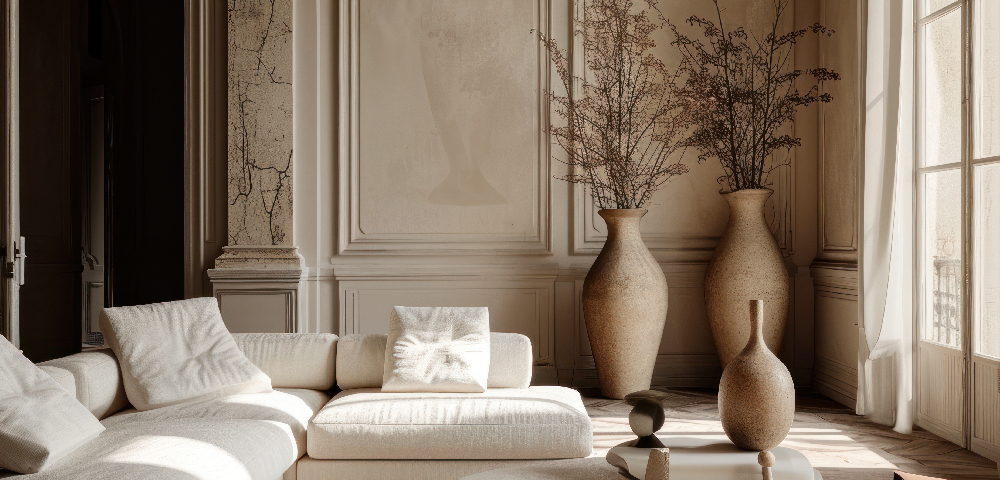
In addition to plants, natural materials such as wood, stone, and bamboo can help bring a sense of warmth and grounding to your living space. Opt for furniture and decor made from sustainable or eco-friendly materials to create a healthier and more sustainable home environment. Incorporating nature-inspired elements such as botanical prints, natural fibers, and earth tones can further enhance the natural feel of your space.
To maximize the benefits of bringing nature indoors, consider incorporating elements such as natural light, fresh air, and views of the outdoors into your living space. Open up your windows to let in natural light and fresh air, and consider adding a green wall or indoor garden to bring the beauty of nature into your home.
2. Create a Sacred Space
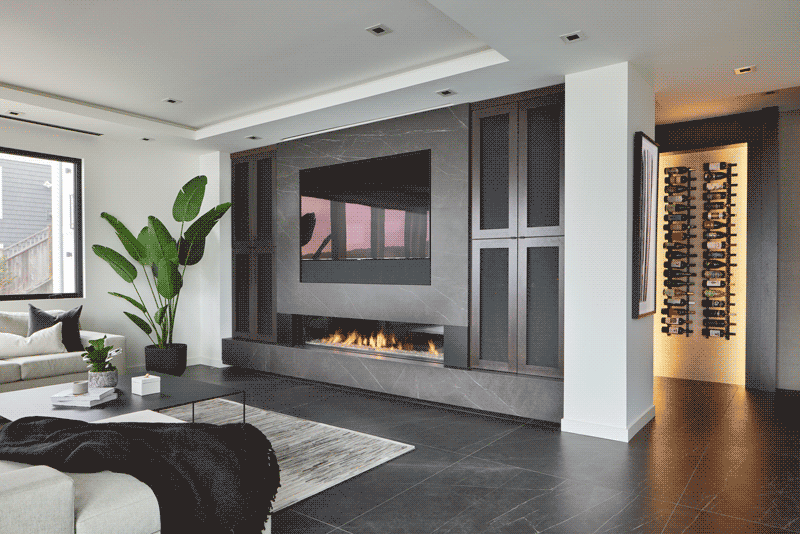
Incorporating a sacred space into your home can help create a sense of peace and tranquility that is essential for promoting wellness. A sacred space is a designated area in your home where you can retreat for quiet reflection, meditation, or relaxation. This space can be as simple as a cozy corner with a comfortable chair and soft lighting, or as elaborate as a dedicated meditation room with candles, cushions, and calming decor.
To create a sacred space in your home, choose a quiet and peaceful area where you can focus on your well-being without distractions. Consider adding elements such as incense, candles, crystals, and spiritual symbols that resonate with you and help create a sense of calm and serenity. You can also incorporate personal items such as photos, mementos, or artwork that bring you joy and comfort.
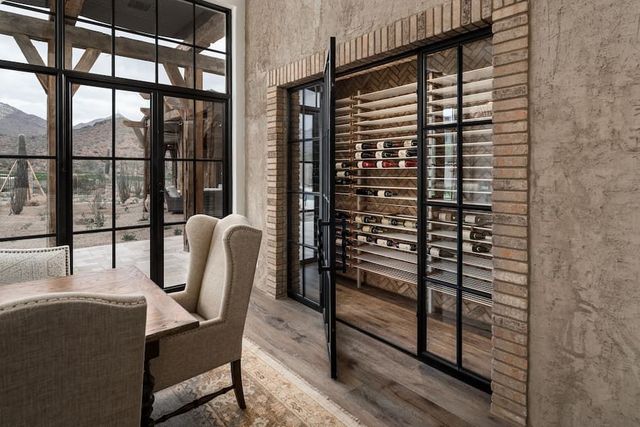
Spending time in your sacred space each day can help reduce stress, promote mindfulness, and foster a sense of inner peace and well-being. Whether you use this space for meditation, prayer, yoga, or simply to unwind and recharge, having a dedicated sacred space in your home can enhance your overall wellness and create a sense of balance in your life.
3. Optimize Lighting and Air Quality
Lighting and air quality play a crucial role in creating a wellness-focused living space that promotes health and well-being. Natural light is essential for regulating our circadian rhythms, boosting mood, and enhancing productivity. To optimize natural lighting in your home, position furniture and decor to maximize the amount of sunlight that enters your space, and consider adding mirrors to reflect light and create a brighter, more spacious feel.
In addition to natural light, artificial lighting can also impact your well-being. Choose lighting fixtures that provide a warm, soft glow to create a cozy and inviting atmosphere. Consider installing dimmer switches or smart lighting systems that allow you to adjust the brightness and color temperature of your lights to suit your mood and activities.
Air quality is another important factor to consider when creating a wellness-focused living space. Poor indoor air quality can lead to a range of health issues, including respiratory problems, allergies, and fatigue. To improve air quality in your home, consider investing in an air purifier, opening windows regularly to let in fresh air, and using natural cleaning products to minimize exposure to toxins and chemicals.
4. Embrace Minimalism and Decluttering
Embracing minimalism and decluttering your living space can have a profound impact on your overall wellness. Cluttered and disorganized environments can contribute to feelings of stress, anxiety, and overwhelm, while clean and clutter-free spaces can promote a sense of calm and clarity. By simplifying your surroundings and letting go of excess possessions, you can create a more peaceful and harmonious home environment.
Start by decluttering one room at a time, sorting through your belongings and getting rid of items that no longer serve a purpose or bring you joy. Consider adopting a minimalist approach to decor, focusing on quality over quantity and choosing items that are meaningful and functional. Organize your belongings in a way that is both aesthetically pleasing and practical, using storage solutions such as baskets, bins, and shelves to keep clutter at bay.

By embracing minimalism and decluttering your living space, you can create a more spacious and serene environment that allows you to focus on what truly matters. A clutter-free home can help reduce stress, increase productivity, and promote a sense of well-being and contentment.
5. Incorporate Mindfulness Practices
Integrating mindfulness practices into your daily routine can help cultivate a sense of awareness, presence, and balance in your wellness-focused living space. Mindfulness is the practice of being fully present in the moment, without judgment or distraction, and can help reduce stress, anxiety, and negative thinking patterns. By incorporating mindfulness practices such as meditation, yoga, deep breathing, and gratitude into your daily life, you can create a more mindful and peaceful home environment.
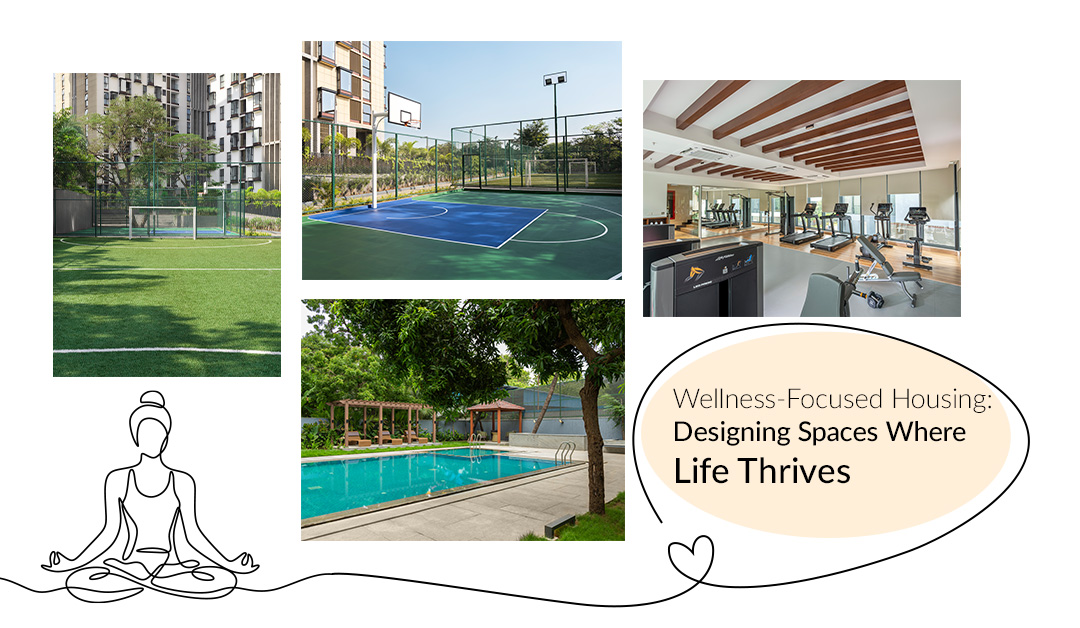
Create a designated mindfulness corner in your living space where you can practice meditation, yoga, or other mindfulness exercises. This space can be as simple as a comfortable cushion or mat in a quiet corner of your home, or as elaborate as a dedicated meditation room with candles, cushions, and calming decor. Spend time in this space each day to quiet your mind, connect with your breath, and cultivate a sense of inner peace and presence.
In addition to creating a dedicated mindfulness space, incorporate mindfulness practices into your daily activities, such as mindful eating, walking, or breathing. Practice gratitude by keeping a gratitude journal or creating a gratitude altar in your home to remind yourself of the blessings and joys in your life. By incorporating mindfulness practices into your wellness-focused living space, you can create a more harmonious and balanced home environment that supports your overall well-being.
6. Foster Connection and Community
Creating a wellness-focused living space is not just about the physical environment; it is also about fostering connection and community within your home. Human connection is essential for our well-being and happiness, and having a strong support network can help reduce stress, increase resilience, and promote a sense of belonging and purpose. By creating spaces in your home that encourage social interaction, collaboration, and communication, you can enhance the sense of community and connection in your living space.
Designate areas in your home where family members and friends can gather and connect, such as a cozy living room with comfortable seating, a spacious dining area for shared meals, or a welcoming outdoor patio for al fresco gatherings. Consider hosting regular social events, such as dinner parties, game nights, or movie screenings, to bring people together and create lasting memories.
In addition to fostering connection within your home, consider ways to connect with your broader community and support causes that are meaningful to you. Volunteer your time, donate to local charities, or participate in community events to create a sense of connection and purpose outside of your home. By fostering connection and community in your wellness-focused living space, you can create a more supportive and fulfilling home environment that promotes well-being and happiness for all who inhabit it.
7. Create Zones for Rest, Relaxation, and Productivity
Designing your living space with distinct zones for rest, relaxation, and productivity can help create a more balanced and harmonious environment that supports your well-being. Consider the different activities that take place in each area of your home, such as sleeping, lounging, working, and socializing, and create designated zones that are tailored to each activity.
Create a cozy bedroom that is conducive to rest and relaxation, with soft lighting, comfortable bedding, and calming decor. Incorporate elements such as blackout curtains, white noise machines, and aromatherapy diffusers to create a peaceful and restful sleep environment. Design a living room that is inviting and comfortable, with ample seating, soft textures, and warm lighting for relaxing and unwinding after a long day.
Designate a home office or workspace that is optimized for productivity and focus, with ergonomic furniture, good lighting, and minimal distractions. Create a work-friendly environment that promotes creativity, inspiration, and efficiency, and consider adding personal touches such as plants, artwork, or photos to make the space feel more inviting and personalized. By creating zones for rest, relaxation, and productivity in your wellness-focused living space, you can optimize your home environment for your specific needs and activities, promoting a sense of balance and well-being in your daily life.
8. Prioritize Self-Care and Well-Being
One of the most important aspects of creating a wellness-focused living space is prioritizing self-care and well-being. Self-care is the practice of taking care of your physical, mental, and emotional health, and is essential for maintaining overall well-being and happiness. By prioritizing self-care in your daily life and in your home environment, you can create a sanctuary that nurtures both your body and mind. Start by designing spaces that promote relaxation—think cozy reading corners bathed in natural light, soft textures that invite you to unwind, and soothing colors that calm your thoughts. Incorporate greenery to purify the air and connect you to nature, and ensure good ventilation to keep your space fresh and uplifting. Establish daily rituals such as mindful mornings with a warm cup of tea, or quiet evening stretches to release the stress of the day. When your living environment reflects your need for balance and well-being, it not only boosts your mood but also enhances productivity and resilience. A home designed with self-care in mind becomes more than just a place to live—it transforms into a haven where you can recharge, grow, and thrive.