
Exploring Urban Loft Design: The Perfect Blend of Industrial and Contemporary Styles
Urban loft design is a popular interior design trend that combines elements of industrial and contemporary styles to create a unique and stylish living space. With its exposed brick walls, high ceilings, and open floor plans, urban lofts offer a sense of spaciousness and freedom that is perfect for city living. In this article, we will explore the key elements of urban loft design and offer tips on how to incorporate this style into your own home.
The Industrial Aesthetic
One of the defining features of urban loft design is its industrial aesthetic. Exposed brick walls, concrete floors, and metal beams are common elements that give urban lofts their unique character. These raw materials are often left in their natural state, adding a touch of authenticity and history to the space. To enhance the industrial look of your urban loft, consider incorporating vintage furniture, industrial lighting fixtures, and reclaimed wood accents.

In addition to raw materials, industrial design often features open floor plans and high ceilings that create a sense of spaciousness and airiness. Large windows and skylights are also common in urban lofts, allowing natural light to flood the space and create a warm and inviting atmosphere. To complement these architectural features, choose furniture and decor that is minimalistic and functional, with clean lines and neutral colors.
The Contemporary Touch
While industrial elements are a key feature of urban loft design, incorporating contemporary touches can help to soften the overall look and create a more comfortable and inviting space. To add a modern twist to your urban loft, consider incorporating soft textiles, such as rugs, curtains, and throw pillows, in bold colors and patterns. You can also add pops of color with artwork, accent walls, and decorative accessories.
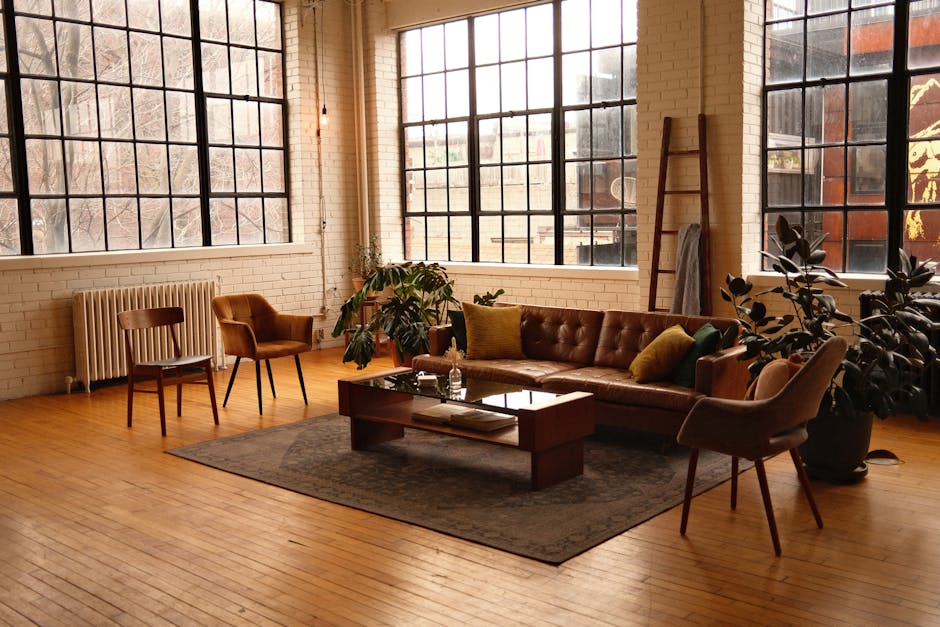
Another way to infuse a contemporary feel into your urban loft is to incorporate technology and smart home features. Consider installing smart lighting, thermostats, and security systems that can be controlled from your smartphone or tablet. This will not only enhance the functionality of your space but also add a touch of luxury and convenience.
Maximizing Space
One of the challenges of urban loft design is maximizing space in a way that is both functional and aesthetically pleasing. With their open floor plans and high ceilings, urban lofts offer a great opportunity to create versatile living spaces that can serve multiple purposes. To make the most of your space, consider using multi-functional furniture, such as storage ottomans, sleeper sofas, and fold-out dining tables.
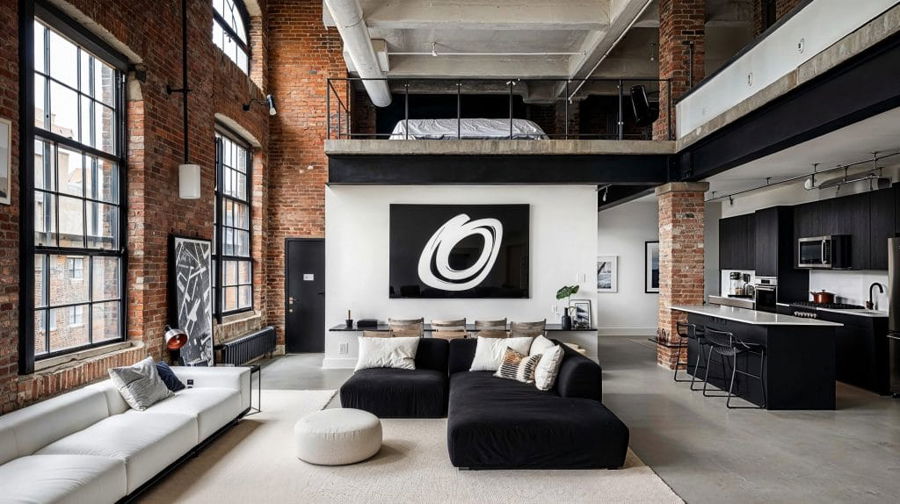
Another way to maximize space in your urban loft is to utilize vertical storage solutions, such as wall-mounted shelves, hanging planters, and tall bookcases. This will help to free up floor space and create a more streamlined and organized living environment. Additionally, consider using mirrors to create the illusion of more space and to reflect natural light throughout the room.
Creating a Cohesive Design
When designing your urban loft, it’s important to create a cohesive look that flows seamlessly from room to room. To achieve this, consider choosing a color palette that is consistent throughout the space, with one or two accent colors to add visual interest. You can also use rugs, curtains, and artwork to tie the different areas of your loft together and create a sense of continuity.
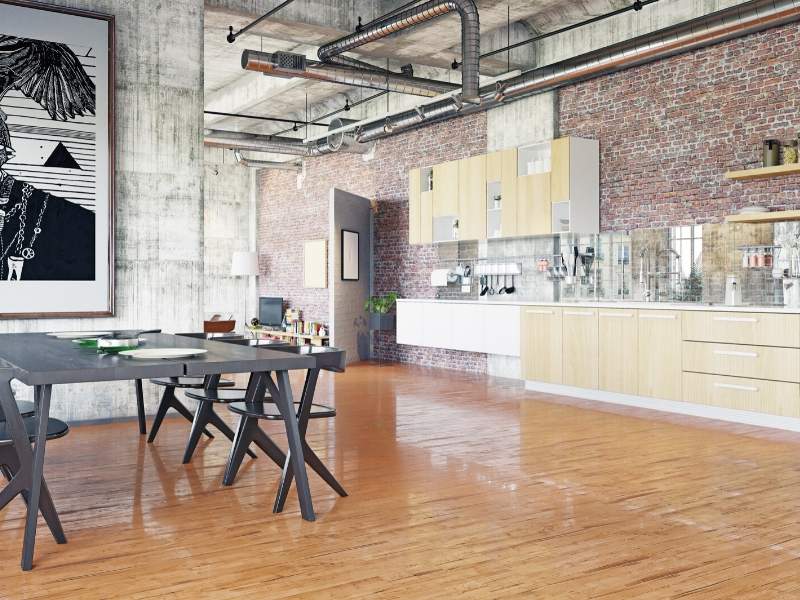
In addition to color, consider using furniture and decor that complements the architectural features of your urban loft. For example, if you have exposed brick walls, consider incorporating rustic wood furniture and vintage accents to enhance the industrial aesthetic. Similarly, if you have high ceilings, consider using tall furniture and statement lighting fixtures to draw the eye upward and create a sense of drama.
Embracing Texture and Contrast
Texture and contrast are key elements of urban loft design that can add depth and visual interest to your space. To create a layered look, consider incorporating a mix of materials, such as leather, metal, glass, and wood, in your furniture and decor. You can also add texture with textiles, such as plush rugs, velvet pillows, and knit throws, to create a cozy and inviting atmosphere.

In addition to texture, contrast is important in urban loft design to create a dynamic and visually appealing space. Consider pairing rough materials, such as exposed brick and concrete, with softer elements, such as plush sofas and upholstered chairs, to create a sense of balance. You can also play with light and dark tones, matte and glossy finishes, and smooth and rough textures to create a sense of drama and sophistication.
Bringing the Outdoors In
One of the benefits of urban loft living is the opportunity to bring the outdoors in and create a connection to nature in the midst of the city. To bring a touch of greenery into your urban loft, consider incorporating houseplants, vertical gardens, and indoor trees. Not only will this add a pop of color and texture to your space, but it will also improve air quality and create a sense of tranquility.
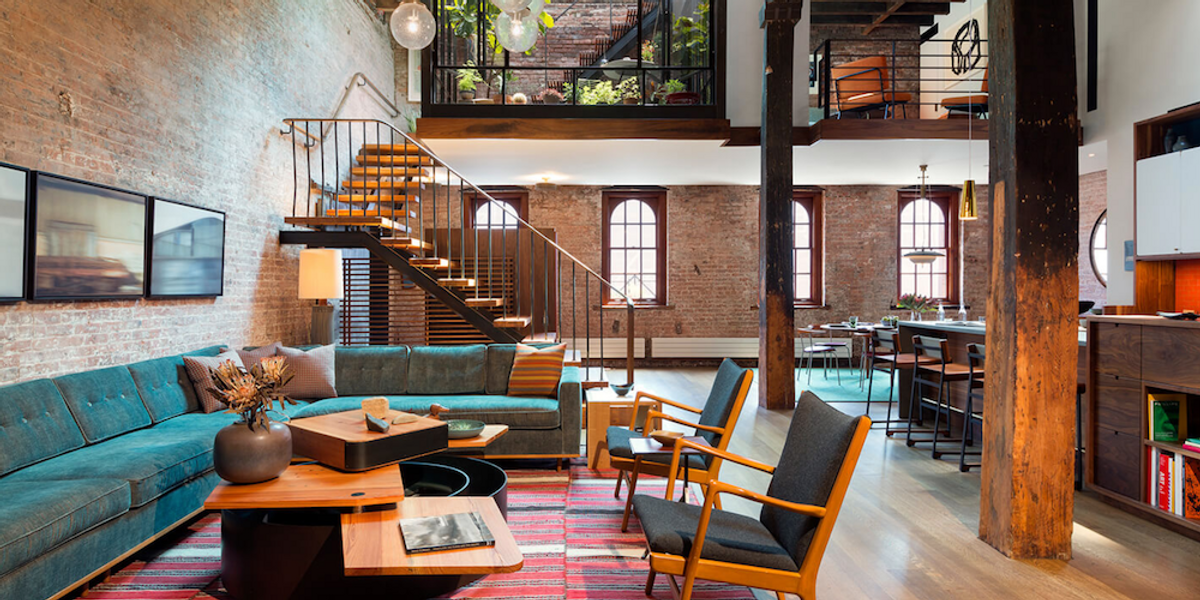
In addition to plants, consider incorporating natural materials, such as wood, stone, and rattan, into your furniture and decor to create a warm and organic feel. You can also bring in natural light with skylights, large windows, and glass doors to create a bright and airy atmosphere. By incorporating elements of nature into your urban loft, you can create a peaceful and rejuvenating living space that feels like a retreat from the hustle and bustle of the city.
Accessorizing with Personal Touches
Accessorizing your urban loft with personal touches is a great way to add personality and warmth to your space. Consider displaying artwork, family photos, and sentimental objects that reflect your personal style and interests. You can also incorporate vintage finds, such as antique mirrors, old books, and flea market treasures, to add a sense of history and character to your space.

In addition to decorative accessories, consider incorporating functional items that reflect your lifestyle and interests. For example, if you love to cook, display your favorite cookbooks and kitchen gadgets on open shelves in your kitchen. If you enjoy reading, create a cozy reading nook with a comfortable chair, floor lamp, and stack of books. By adding personal touches to your urban loft, you can create a space that is uniquely yours and that feels like home.
Conclusion
Urban loft design offers a unique and stylish approach to interior design that combines industrial and contemporary elements to create a versatile and inviting living space. By incorporating raw materials, open floor plans, and high ceilings, urban lofts offer a sense of spaciousness and freedom that is perfect for city living. With the right furniture, decor, and personal touches, you can create a cohesive and stylish urban loft that reflects your personal style and lifestyle.
Whether you live in a true urban loft or simply want to incorporate elements of urban loft design into your home, there are many ways to embrace this trend and create a space that is both functional and aesthetically pleasing. By maximizing space, creating a cohesive design, and embracing texture and contrast, you can create a dynamic and visually appealing living environment that is sure to impress.
FAQs
What is urban loft design?
Urban loft design is a style of interior design that combines elements of industrial and contemporary styles to create a unique living space. It often features exposed brick walls, concrete floors, high ceilings, and open floor plans.
How can I incorporate urban loft design into my home?
To incorporate urban loft design into your home, consider using raw materials, industrial lighting fixtures, and vintage furniture. Create an open floor plan with multi-functional furniture and utilize vertical storage solutions to maximize space.
What are some tips for creating a cohesive urban loft design?
To create a cohesive urban loft design, choose a consistent color palette, use rugs and artwork to tie different areas together, and complement architectural features with furniture and decor. Embrace texture and contrast to add depth and visual interest to your space.