
Urban Living Trends: Embracing the City Life
Urban living trends are constantly evolving as cities become more densely populated and diverse. From sustainable living practices to smart technology integration, urban dwellers are shaping the future of city living. In this article, we will explore the latest urban living trends that are transforming the way we live in metropolitan areas.
1. Sustainable Urban Design
Sustainable urban design has become a key focus for city planners and developers as they strive to create environmentally friendly and energy-efficient buildings. Green roofs, solar panels, and rainwater harvesting systems are just a few examples of sustainable features that are being incorporated into urban spaces. Additionally, cities are implementing policies to reduce waste and promote recycling, such as banning single-use plastics and encouraging composting.
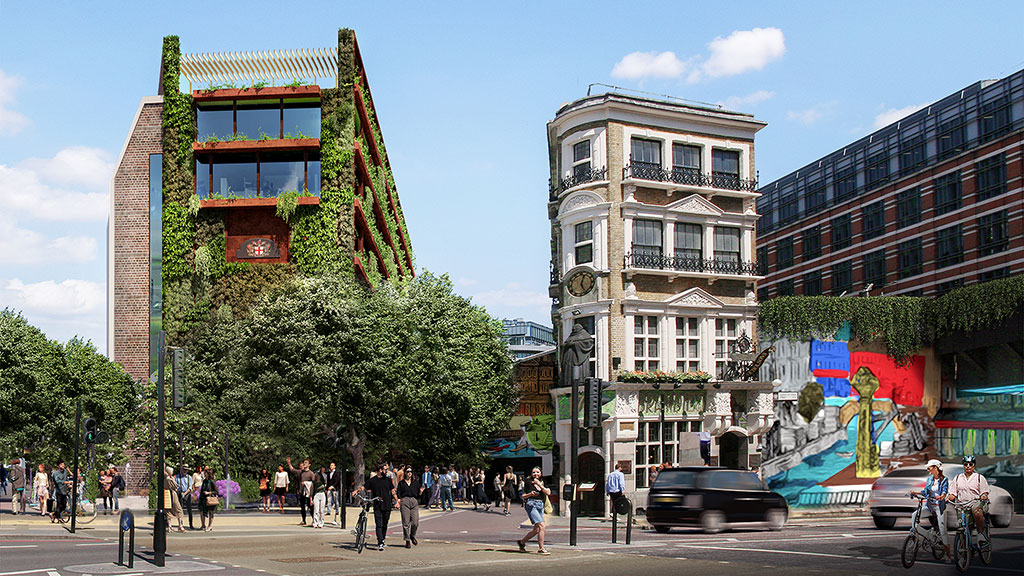
The rise of urban agriculture is also a notable trend in sustainable urban design, with rooftop gardens and community gardens becoming increasingly popular in cities around the world. These green spaces not only provide fresh produce for residents but also help reduce carbon emissions and improve air quality. By prioritizing sustainability in urban development, cities can create healthier and more resilient communities for future generations.
In conclusion, sustainable urban design is a crucial trend that is shaping the future of city living. By prioritizing eco-friendly practices and incorporating green spaces into urban areas, cities can create more sustainable and livable environments for residents. Embracing sustainable urban design is not only beneficial for the environment but also for the well-being of urban dwellers.
2. Walkable Neighborhoods
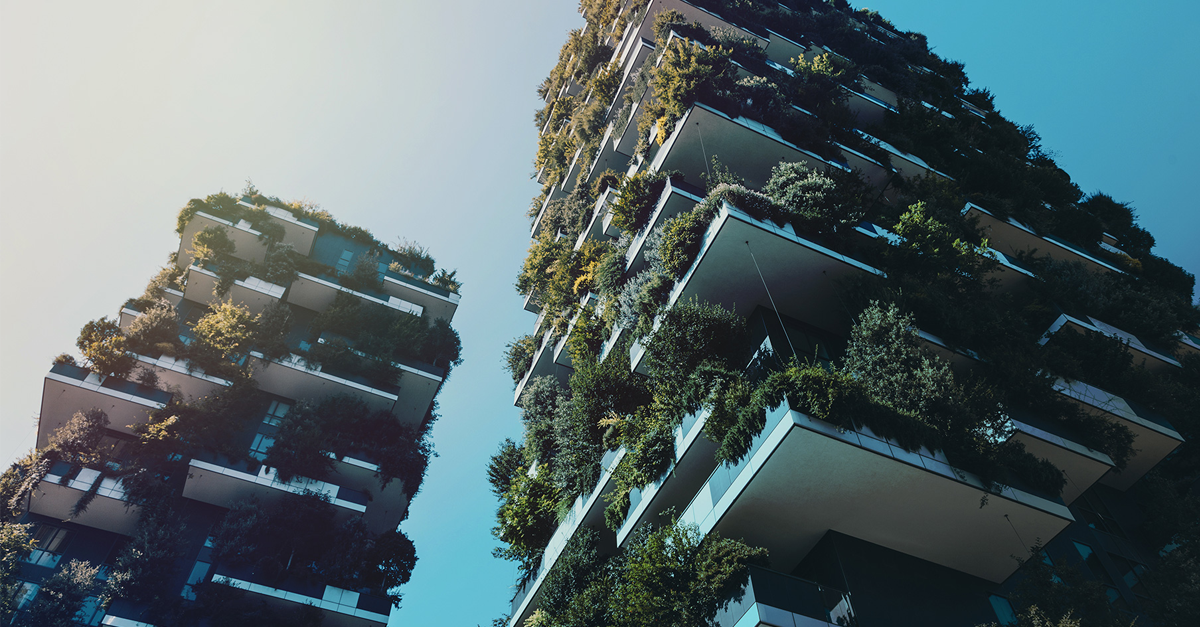
One of the key urban living trends in recent years is the emphasis on walkable neighborhoods. With rising concerns about traffic congestion and air pollution, many city residents are opting to live in areas where they can easily walk or bike to work, shops, and recreational facilities. Walkable neighborhoods not only promote a healthier lifestyle but also foster a sense of community and reduce reliance on cars.
Cities are investing in infrastructure improvements, such as pedestrian-friendly streets and bike lanes, to make urban areas more walkable and accessible. Mixed-use developments that combine residential, commercial, and recreational spaces are also becoming increasingly popular, allowing residents to live, work, and play in the same neighborhood. By prioritizing walkability, cities can create vibrant and sustainable communities that promote physical activity and social interaction.

In conclusion, walkable neighborhoods are a growing trend in urban living that offers numerous benefits for residents and the environment. By designing cities with pedestrians in mind, urban planners can create more livable and connected communities that enhance the quality of life for residents. Embracing walkability in urban development is essential for creating healthy and sustainable cities for the future.
3. Smart Technology Integration
The integration of smart technology into urban infrastructure is another major trend that is reshaping city living. From smart homes and buildings to smart transportation systems, cities are leveraging technology to improve efficiency, safety, and convenience for residents. Smart devices such as thermostats, lighting systems, and security cameras are being integrated into homes to reduce energy consumption and enhance security.

In addition, cities are implementing smart transportation solutions, such as ride-sharing services and electric scooters, to reduce traffic congestion and air pollution. Smart parking systems and traffic management technologies are also being deployed to streamline the flow of traffic and improve road safety. By embracing smart technology, cities can become more connected and sustainable, offering residents a higher quality of life.
In conclusion, smart technology integration is a key trend in urban living that is revolutionizing the way we interact with our cities. By embracing smart solutions, cities can become more efficient, resilient, and responsive to the needs of residents. The integration of smart technology is essential for creating cities that are equipped to meet the challenges of the 21st century.
4. Co-living Spaces
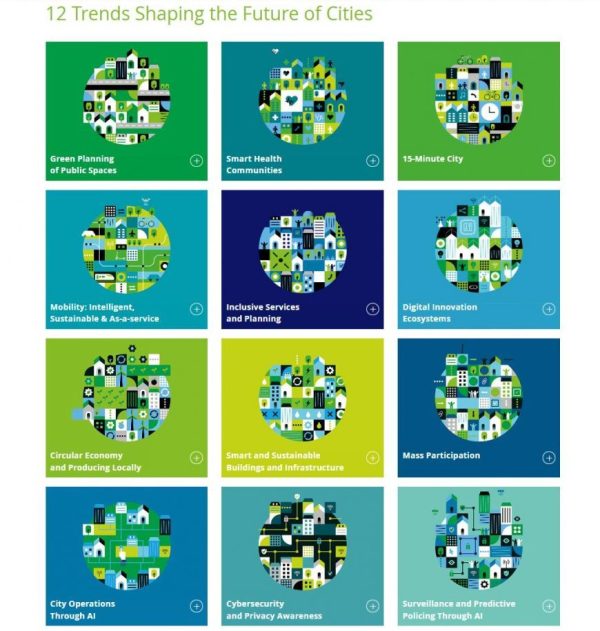
Co-living spaces have emerged as a popular housing option for urban dwellers seeking affordable and community-oriented living arrangements. These shared living spaces typically offer private bedrooms and bathrooms, with shared common areas such as kitchens, living rooms, and coworking spaces. Co-living residents have the opportunity to connect with like-minded individuals, participate in community events, and enjoy shared amenities such as gyms and rooftop gardens.
Co-living spaces are designed to promote social interaction and collaboration, creating a sense of belonging and camaraderie among residents. Many co-living operators also offer flexible lease terms and all-inclusive rents, making it easier for young professionals and students to find housing in expensive urban areas. By fostering a sense of community and shared responsibility, co-living spaces offer a unique alternative to traditional housing options.

In conclusion, co-living spaces are a growing trend in urban living that offers a new approach to communal living. By providing affordable housing options and fostering social connections, co-living spaces are reshaping the way urban residents live and work. Embracing co-living as a housing solution can help address the challenges of urban housing affordability and social isolation in cities around the world.
5. Multigenerational Communities
Multigenerational communities are becoming increasingly popular in urban areas as families seek to live closer together and support each other across different age groups. These mixed-age communities typically include housing options for young families, working professionals, and retirees, allowing residents to interact and learn from each other. Multigenerational communities often feature shared amenities such as community centers, playgrounds, and green spaces that foster social connections and intergenerational relationships.
Living in a multigenerational community offers numerous benefits for residents, including access to caregiving support, shared resources, and a sense of belonging. Older adults can provide wisdom and guidance to younger generations, while younger residents can offer assistance and companionship to older adults. By creating spaces that cater to residents of all ages, cities can promote social inclusion and community cohesion among diverse populations.
In conclusion, multigenerational communities are a growing trend in urban living that offers a holistic approach to community building. By fostering relationships across different age groups and backgrounds, multigenerational communities create vibrant and inclusive environments that benefit residents of all ages. Embracing multigenerational living can help cities create more resilient and connected communities for the future.
6. Wellness-Oriented Design
Wellness-oriented design is a key trend in urban living that emphasizes the importance of creating spaces that promote physical and mental well-being. From biophilic design principles to natural light and ventilation, cities are prioritizing features that enhance the health and happiness of residents. Wellness-focused buildings and communities often incorporate amenities such as fitness centers, meditation rooms, and green spaces that support healthy lifestyles and stress reduction.
Cities are also implementing policies to promote active transportation options, such as walking and cycling, to encourage physical activity and reduce reliance on cars. Urban planners are designing streetscapes that prioritize pedestrian safety and accessibility, creating environments that are conducive to walking and outdoor recreation. By prioritizing wellness-oriented design, cities can create environments that support the holistic health of residents and enhance overall quality of life.
In conclusion, wellness-oriented design is a crucial trend in urban living that focuses on creating healthy and sustainable environments for residents. By incorporating features that promote physical activity, mental well-being, and social connection, cities can create spaces that support the health and happiness of urban dwellers. Embracing wellness-oriented design is essential for creating cities that prioritize the well-being of residents and promote a healthy lifestyle.
7. Adaptive Reuse Projects
Adaptive reuse projects have become a popular trend in urban living as cities seek to repurpose existing buildings and infrastructure for new uses. From warehouses and factories to schools and churches, adaptive reuse projects transform underutilized spaces into vibrant mixed-use developments that contribute to the cultural and economic vitality of urban areas. These projects often preserve the historic character of buildings while incorporating modern amenities and sustainable features.
Adaptive reuse projects offer numerous benefits for cities and residents, including the preservation of architectural heritage, the revitalization of neighborhoods, and the creation of unique and diverse spaces. By repurposing existing buildings, cities can reduce urban sprawl and preserve valuable resources, while also fostering creativity and innovation in urban development. Adaptive reuse projects represent a sustainable approach to urban design that celebrates the past while embracing the future.
In conclusion, adaptive reuse projects are a transformative trend in urban living that showcases the potential of repurposing existing buildings for new uses. By breathing new life into old structures, cities can create dynamic and inclusive spaces that cater to the evolving needs of residents. Embracing adaptive reuse projects is essential for creating sustainable and resilient cities that respect the history and character of urban neighborhoods.
8. Inclusive Design and Accessibility
Inclusive design and accessibility have become key priorities for urban planners and developers as they strive to create cities that are welcoming and accessible to all residents. From barrier-free sidewalks and ramps to audiovisual signage and tactile paving, cities are implementing features that cater to the needs of individuals with disabilities and mobility challenges. Inclusive design also extends to public spaces, housing, and transportation systems, ensuring that all residents can participate fully in urban life.
Cities are adopting universal design principles that prioritize accessibility and inclusivity in the built environment, creating spaces that are usable by people of all ages and abilities. By incorporating features such as accessible public transit, wheelchair-friendly buildings, and sensory-friendly amenities, cities can promote social inclusion and diversity in urban areas. Inclusive design benefits all residents, not just those with disabilities, by creating environments that are safe, comfortable, and welcoming for everyone.
In conclusion, inclusive design and accessibility are essential trends in urban living that promote equity, diversity, and social inclusion in cities around the world. By prioritizing features that cater to the needs of all residents, cities can create environments that are accessible and inclusive for everyone. Embracing inclusive design is crucial for creating cities that are equitable, diverse, and resilient in the face of evolving urban challenges.