
Tiny House Innovation: Revolutionizing Sustainable Living
Tiny houses have been gaining popularity as a more sustainable and affordable housing option in recent years. These innovative homes, typically ranging from 100 to 400 square feet in size, offer a minimalist lifestyle that prioritizes simplicity and environmental consciousness. With advancements in technology and design, tiny house innovation continues to push the boundaries of what is possible in compact living spaces. In this article, we will explore some of the latest innovations in the world of tiny houses.
1. Off-Grid Solutions
One of the key innovations in tiny house design is the development of off-grid solutions that allow homeowners to live completely self-sufficiently. This includes incorporating solar panels for electricity, composting toilets for waste management, and rainwater collection systems for water supply. These off-grid features not only reduce the environmental impact of the home but also provide a sense of independence and freedom for the homeowner.

Advancements in battery technology have also made it easier for tiny house dwellers to store excess energy generated by solar panels, allowing them to power their homes even during periods of low sunlight. This innovation has helped to address one of the main challenges of off-grid living – ensuring a consistent and reliable source of power.
Overall, off-grid solutions in tiny house design have revolutionized the way we think about sustainable living. By minimizing reliance on traditional utilities and embracing renewable energy sources, homeowners can reduce their carbon footprint and live more in harmony with the natural world.
2. Multi-Functional Furniture
Another exciting innovation in tiny house design is the use of multi-functional furniture to maximize space efficiency. In a small living area, every square inch counts, so furniture that can serve multiple purposes is essential. This includes items such as Murphy beds that fold up into walls, storage ottomans that double as seating, and collapsible dining tables that can be tucked away when not in use.
By incorporating multi-functional furniture into tiny house layouts, designers are able to create versatile living spaces that can easily adapt to the needs of the homeowner. This flexibility is particularly important in tiny houses, where space is at a premium and every piece of furniture must serve a purpose.
Not only does multi-functional furniture help to save space, but it also adds a level of creativity and ingenuity to tiny house design. Homeowners can customize their living areas to suit their lifestyle, whether that means creating a cozy reading nook, a home office, or a guest bedroom that can be transformed into a living room at a moment’s notice.
3. Smart Home Technology
Advancements in smart home technology have made it easier than ever for tiny house dwellers to control their living spaces with the touch of a button. From thermostats that can be adjusted remotely to lighting systems that can be programmed to turn on and off at specific times, smart home devices offer convenience and efficiency in tiny house living.
One of the key benefits of smart home technology in tiny houses is the ability to monitor and manage energy usage. By installing smart meters and energy monitoring devices, homeowners can track their electricity consumption in real-time and make adjustments to reduce waste. This not only helps to lower utility bills but also contributes to a more sustainable lifestyle.
In addition to energy management, smart home technology can also enhance security and safety in tiny houses. Homeowners can install smart locks, cameras, and alarm systems that can be controlled remotely, providing peace of mind when they are away from home. These innovations have transformed the way we think about home security, making it easier than ever to protect our living spaces.
4. Sustainable Materials

Another important aspect of tiny house innovation is the use of sustainable materials in construction. From recycled wood and reclaimed metal to eco-friendly insulation and non-toxic paints, designers are incorporating environmentally friendly materials into tiny house builds to reduce their impact on the planet.
By choosing sustainable materials, homeowners can not only minimize their carbon footprint but also create a healthier indoor environment. Many conventional building materials contain harmful chemicals and toxins that can off-gas over time, leading to poor air quality and potential health risks. In contrast, sustainable materials are often free from these harmful substances, creating a safer and more comfortable living space.

Furthermore, using sustainable materials in tiny house construction helps to support the circular economy by reducing waste and promoting the reuse of resources. By choosing materials that are recycled, renewable, or biodegradable, homeowners can contribute to a more sustainable future for the planet and future generations.
5. Modular Design
Modular design is another innovative approach to tiny house construction that offers flexibility and efficiency in building processes. By breaking down the design of a tiny house into modules or sections that can be prefabricated off-site, builders can streamline the construction process and reduce waste. This not only speeds up the building timeline but also ensures a higher level of precision and quality in the finished product.
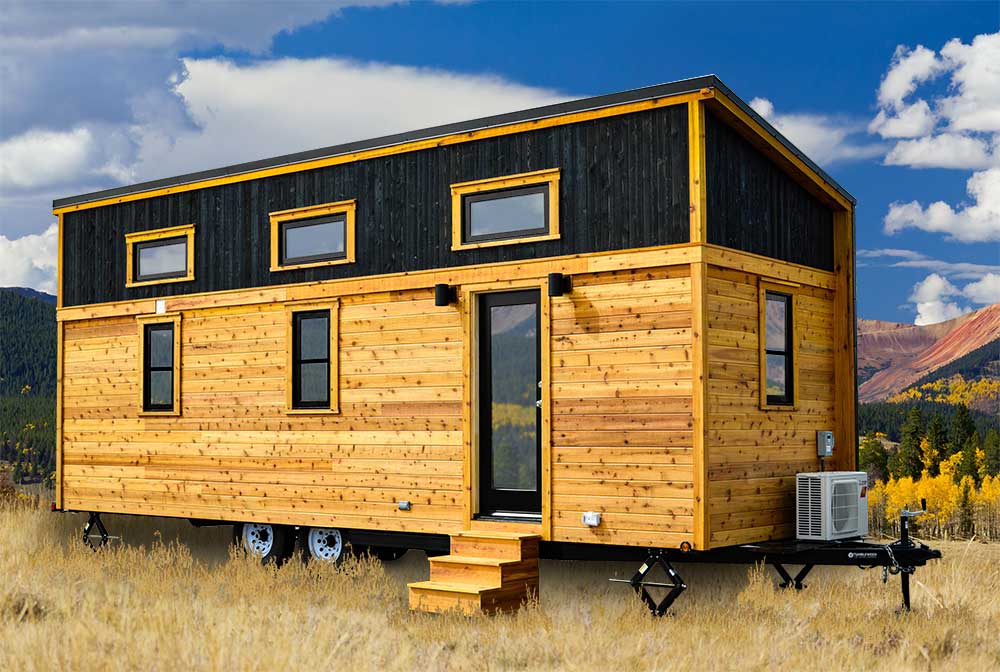
Modular design also provides homeowners with the ability to customize and expand their tiny houses over time. By adding or rearranging modules, homeowners can adapt their living spaces to accommodate changing needs or preferences. This level of flexibility is especially important in tiny house living, where space is limited, and every inch must be used wisely.
Overall, modular design in tiny houses offers a sustainable and efficient solution to housing needs. By embracing prefabrication and modular construction methods, homeowners can enjoy a faster, more cost-effective building process that minimizes waste and maximizes efficiency.
6. Innovative Storage Solutions
Storage is a common challenge in tiny house living, where every item must have a designated place to keep clutter at bay. To address this issue, designers have come up with innovative storage solutions that utilize every available inch of space. This includes hidden compartments in walls and floors, pull-out drawers under stairs, and overhead storage shelves that make use of vertical space.
One popular storage solution in tiny houses is the use of multi-purpose furniture with built-in storage capabilities. For example, a bed frame with drawers underneath or a coffee table that lifts up to reveal a storage compartment. These clever design features help to maximize storage while maintaining a clean and clutter-free living environment.
By incorporating innovative storage solutions into tiny house design, homeowners can make the most of their limited space without sacrificing functionality or style. These creative storage solutions not only help to keep belongings organized but also enhance the overall aesthetic of the home, creating a sense of harmony and balance in the living space.
7. Green Roofs and Living Walls
Green roofs and living walls are another innovative trend in tiny house design that brings nature into urban living environments. By incorporating plants and vegetation into the exterior of a tiny house, homeowners can enjoy a range of benefits, including improved air quality, energy efficiency, and aesthetic appeal.
Green roofs, which are covered in vegetation and soil, help to insulate the home, reducing energy consumption and lowering heating and cooling costs. They also absorb rainwater, reducing runoff and preventing water pollution. Living walls, which are vertical gardens attached to the exterior of a building, provide similar benefits and can help to create a more visually appealing and sustainable living space.
In addition to the environmental benefits, green roofs and living walls also provide homeowners with a connection to nature in urban environments. By bringing plants and greenery into the living space, homeowners can enjoy a sense of tranquility and well-being, even in the heart of the city. These innovative features have the potential to transform tiny house living by creating a more sustainable, healthy, and harmonious living environment.
8. Tiny House Communities
One of the most exciting developments in tiny house innovation is the rise of tiny house communities, where like-minded individuals come together to create sustainable and affordable living spaces. These communities offer a sense of camaraderie and shared values, as well as access to shared amenities and resources.
By living in a tiny house community, homeowners can enjoy a sense of community and support that is often lacking in traditional housing developments. They can also benefit from shared infrastructure, such as community gardens, common areas, and co-working spaces, that enhance their quality of life and reduce their environmental impact.
Tiny house communities are also a great way to address the issue of affordable housing, as they offer an alternative to high-priced real estate markets and provide a more sustainable and equitable housing solution. By pooling resources and working together, residents of tiny house communities can create a more resilient and connected way of living that prioritizes people and the planet.
Conclusion
In conclusion, tiny house innovation is revolutionizing the way we think about sustainable living. From off-grid solutions and multi-functional furniture to smart home technology and sustainable materials, designers are pushing the boundaries of what is possible in compact living spaces. By embracing these innovations, homeowners can enjoy a more environmentally conscious and efficient way of living that prioritizes simplicity, functionality, and well-being.
FAQs about Tiny House Innovation
1. Are tiny houses a sustainable housing option?
Yes, tiny houses are considered a sustainable housing option due to their small size, which requires fewer resources to build and maintain. Additionally, many tiny houses incorporate off-grid solutions, sustainable materials, and energy-efficient systems to further reduce their environmental impact.
2. How do tiny houses compare to traditional homes in terms of energy efficiency?
Tiny houses are typically more energy-efficient than traditional homes due to their smaller size, which requires less energy to heat and cool. Additionally, many tiny houses are designed with energy-saving appliances, superior insulation, and high-quality windows that help maintain indoor temperatures year-round. Some tiny homes also feature solar panels, rainwater collection systems, and composting toilets, which further minimize energy consumption and environmental impact.
3. Can tiny houses be customized to fit individual needs?
Yes, tiny houses offer a high degree of customization, allowing homeowners to design layouts that reflect their personal preferences and lifestyle. From built-in furniture and creative storage solutions to unique exterior finishes and smart-home technology, tiny houses can be tailored to suit different tastes and functional requirements. This flexibility makes them ideal for individuals, couples, or even small families seeking efficient and stylish living spaces.
4. Are tiny houses suitable for families?
While tiny houses are often associated with minimalistic solo living, they can be adapted to accommodate small families by maximizing every inch of available space. Features such as lofted sleeping areas, convertible furniture, and multipurpose rooms help ensure that families can live comfortably without feeling cramped. Careful planning and innovative design are key to creating a functional, family-friendly tiny home.
5. What are the challenges of living in a tiny house?
One of the main challenges of living in a tiny house is adjusting to limited space, which requires decluttering and adopting a minimalist lifestyle. Storage can also be a concern, especially for families or individuals with hobbies that require extra equipment. Additionally, zoning laws and building codes in certain areas may restrict where tiny houses can be placed, so it’s essential to research local regulations before making the move.