
Sustainable Urban Development: Building a Greener Future
Urbanization is on the rise, with more people moving to cities in search of better opportunities. However, rapid urban growth comes with its own set of challenges, from increased pollution and traffic congestion to strained resources and social inequality. Sustainable urban development offers a solution to these pressing issues, focusing on creating cities that are environmentally friendly, socially inclusive, and economically viable.
1. Green Infrastructure
Green infrastructure plays a crucial role in sustainable urban development, helping to mitigate the effects of climate change and improve the overall quality of life for city residents. This includes parks, green roofs, rain gardens, and permeable pavements that help absorb rainwater and reduce flooding. By incorporating green spaces into urban areas, cities can create a more resilient and sustainable environment that benefits both people and the planet.
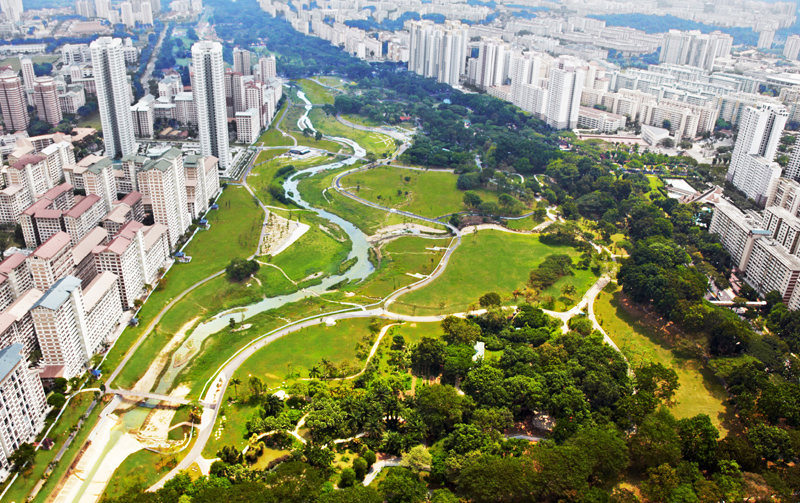
In addition to providing recreational opportunities and improving air quality, green infrastructure can also help reduce the urban heat island effect, where cities become significantly warmer than surrounding rural areas due to the abundance of concrete and asphalt surfaces. By planting trees and creating green spaces, cities can lower temperatures and create a more comfortable living environment for residents.
Furthermore, green infrastructure can help promote biodiversity and protect wildlife in urban areas. By creating habitat corridors and green corridors, cities can support a diverse range of plant and animal species, helping to maintain ecological balance within the urban environment. This not only benefits the local ecosystem but also provides opportunities for residents to connect with nature and learn about the importance of biodiversity conservation.
2. Sustainable Transportation
One of the key components of sustainable urban development is promoting sustainable transportation options that reduce greenhouse gas emissions and improve air quality. This includes investing in public transit systems, building bike lanes, and promoting walking as a mode of transportation. By providing alternatives to car travel, cities can reduce traffic congestion, lower emissions, and create a more livable urban environment for all residents.
Public transit systems play a crucial role in promoting sustainable transportation, providing an efficient and affordable way for residents to get around the city. By expanding public transit networks and investing in clean energy vehicles, cities can reduce reliance on cars and help combat climate change. In addition, investing in bike lanes and pedestrian infrastructure can encourage more people to cycle or walk to their destinations, reducing the need for car travel and improving overall health and well-being.

Furthermore, sustainable transportation options can help reduce social inequality by providing affordable and accessible transportation for all residents. By ensuring that public transit systems are well-connected and serve all neighborhoods, cities can help bridge the gap between different socioeconomic groups and create a more inclusive urban environment where everyone has access to essential services and amenities.
3. Energy Efficiency
Energy efficiency is a key pillar of sustainable urban development, helping to reduce energy consumption, lower greenhouse gas emissions, and improve overall environmental quality. Cities can promote energy efficiency through building codes, incentives for green building practices, and investments in renewable energy sources. By reducing energy waste and promoting clean energy, cities can create a more sustainable urban environment that benefits both current and future generations.
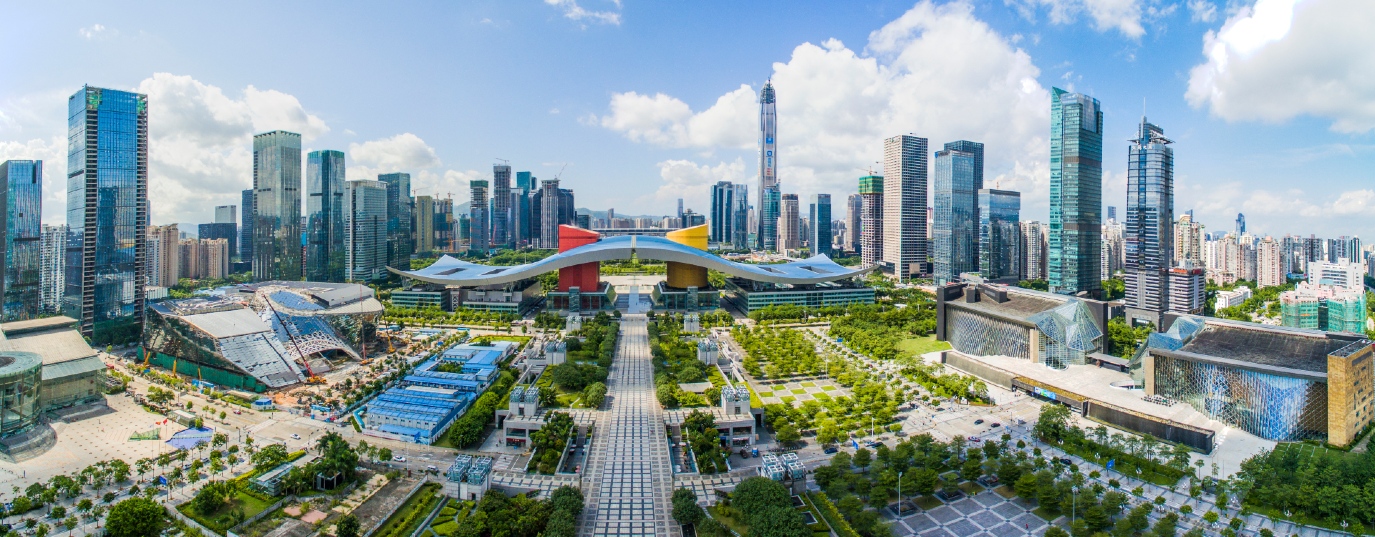
One of the most effective ways to promote energy efficiency in cities is through building codes that require new construction to meet strict energy efficiency standards. By mandating features such as high-performance insulation, energy-efficient lighting, and renewable energy systems, cities can reduce energy consumption and lower greenhouse gas emissions from buildings. In addition, providing incentives for green building practices, such as tax credits or grants, can encourage developers to incorporate energy-efficient features into their projects.
Investing in renewable energy sources, such as solar panels and wind turbines, can also help cities reduce their reliance on fossil fuels and transition to a cleaner and more sustainable energy system. By harnessing the power of the sun and wind, cities can generate clean electricity, reduce emissions, and create a more resilient energy grid that can withstand the impacts of climate change. Furthermore, promoting energy efficiency and renewable energy can create jobs and stimulate economic growth, helping to build a more sustainable and prosperous urban future.
4. Waste Management

Waste management is a critical aspect of sustainable urban development, helping to reduce pollution, conserve resources, and protect public health. Cities can promote sustainable waste management practices through recycling programs, composting initiatives, and waste-to-energy technologies. By reducing waste and promoting recycling, cities can create a more circular economy that minimizes the environmental impact of waste and maximizes the value of resources.
Recycling programs play a key role in sustainable waste management, helping to divert waste from landfills and reduce the need for raw materials. By collecting and processing recyclable materials, cities can conserve resources, reduce energy consumption, and lower greenhouse gas emissions. In addition, promoting composting initiatives can help cities reduce organic waste and create nutrient-rich soil that can be used to improve soil health and support urban agriculture.
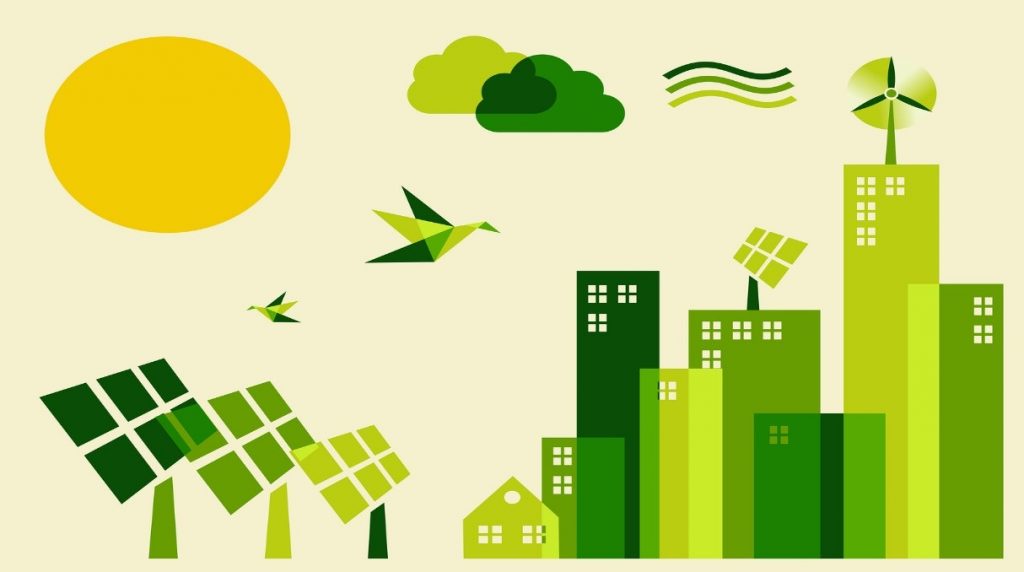
Waste-to-energy technologies offer another sustainable waste management solution, helping cities convert waste into renewable energy that can be used to power homes and businesses. By capturing the energy content of waste through processes such as incineration or anaerobic digestion, cities can reduce their reliance on fossil fuels and lower greenhouse gas emissions. Furthermore, waste-to-energy technologies can help cities reduce the need for landfill space and create a more sustainable waste management system that minimizes environmental impact.
5. Social Equity
Social equity is an essential component of sustainable urban development, ensuring that all residents have equal access to opportunities, resources, and services. Cities can promote social equity through policies that address income inequality, housing affordability, and access to education and healthcare. By creating a more inclusive and equitable urban environment, cities can improve quality of life for all residents and build a more resilient and sustainable community.
One of the key ways to promote social equity in cities is by addressing income inequality and providing affordable housing options for low-income residents. By investing in affordable housing projects, creating rent control policies, and implementing inclusionary zoning regulations, cities can ensure that everyone has access to safe and affordable housing. In addition, providing access to education and healthcare services can help improve social mobility and ensure that all residents have the opportunity to lead healthy and fulfilling lives.
Furthermore, promoting social equity in cities means addressing systemic barriers that prevent certain groups from accessing essential services and resources. This includes addressing issues such as discrimination, racism, and unequal access to job opportunities. By implementing policies that promote diversity, equity, and inclusion, cities can create a more welcoming and inclusive urban environment that celebrates the diversity of its residents and ensures that everyone has the opportunity to thrive.
6. Urban Agriculture
Urban agriculture plays a vital role in sustainable urban development, helping to promote food security, reduce food miles, and improve public health. Cities can support urban agriculture through community gardens, rooftop farms, and vertical farming initiatives that provide fresh and locally grown produce to residents. By incorporating agriculture into urban areas, cities can create a more sustainable food system that supports local farmers, reduces carbon emissions, and promotes healthy eating habits.
Community gardens offer a unique opportunity for residents to grow their own food, connect with nature, and build community relationships. By providing space for residents to cultivate fruits, vegetables, and herbs, cities can promote self-sufficiency and empower residents to take control of their food supply. In addition, community gardens can help improve food security in underserved neighborhoods and provide fresh produce to residents who may not have access to healthy food options.
Rooftop farms and vertical farming initiatives offer innovative solutions for growing food in urban areas with limited space. By utilizing rooftops, vacant lots, and vertical structures, cities can create productive growing spaces that produce fresh and nutritious food for residents. In addition, rooftop farms and vertical farming initiatives can help reduce food miles and lower carbon emissions associated with transporting food from rural areas to urban markets, creating a more sustainable and resilient food system that benefits both people and the planet.
7. Smart Cities
Smart cities are at the forefront of sustainable urban development, leveraging technology and data to improve efficiency, reduce resource consumption, and enhance quality of life for residents. Smart cities use sensors, connectivity, and artificial intelligence to optimize energy use, manage traffic flow, and monitor air quality. By harnessing the power of technology, cities can create more sustainable, resilient, and livable urban environments that benefit both residents and the environment.
One of the key benefits of smart cities is the ability to optimize resource use and reduce energy consumption through the use of sensors and data analytics. By monitoring energy use in buildings, transportation systems, and infrastructure, cities can identify inefficiencies and implement strategies to reduce waste and lower greenhouse gas emissions. In addition, smart cities can use data to manage traffic flow, reduce congestion, and improve air quality, creating a more efficient and sustainable transportation system that benefits all residents.
Furthermore, smart cities can improve quality of life for residents by using technology to enhance public services and amenities. By providing real-time information on public transportation, waste collection, and emergency services, cities can improve access to essential services and ensure that residents have the information they need to make informed decisions. In addition, smart cities can use data to monitor air quality, reduce pollution, and create healthier urban environments that support the well-being of residents.
8. Climate Resilience
Climate resilience is a critical aspect of sustainable urban development, helping cities prepare for and adapt to the impacts of climate change, such as sea-level rise, extreme weather events, and heatwaves. Cities can promote climate resilience through infrastructure improvements, green space expansion, and community engagement initiatives that help build resilience and reduce vulnerability to climate-related risks. By investing in climate-resilient infrastructure—such as flood-resistant buildings, advanced drainage systems, and renewable energy grids—urban areas can safeguard residents’ well-being while minimizing long-term environmental and economic damage.
Moreover, prioritizing green spaces like urban forests, rooftop gardens, and parks not only mitigates the effects of rising temperatures but also enhances air quality, biodiversity, and mental well-being. Community engagement plays a vital role in this effort by educating citizens on preparedness strategies and encouraging sustainable practices at the household level. Together, these measures strengthen the city’s ability to withstand and recover from climate-related challenges, ensuring a healthier and more secure future for all residents.
In conclusion, building climate resilience is not just a proactive strategy—it’s an investment in the safety, health, and prosperity of future generations. Cities that embrace forward-thinking solutions and integrate sustainability into their policies can transform vulnerabilities into opportunities for growth and innovation. By fostering collaboration among governments, communities, and industries, urban centers can become stronger, more adaptable, and better equipped to thrive in the face of climate uncertainty.
Ultimately, climate resilience reflects a city’s commitment to balance progress with environmental stewardship. As the challenges of climate change intensify, resilient cities will serve as models of hope and sustainability—proving that with the right planning, collective action, and innovation, urban environments can flourish even in the face of global environmental shifts.