
Sustainable Home Design: Building for the Future
In today’s world, the importance of sustainable living has never been more apparent. As we face the challenges of climate change and dwindling natural resources, many homeowners are turning to sustainable home design as a way to reduce their environmental impact and create a healthier living space for themselves and their families. From energy-efficient appliances to passive solar design, there are countless ways to incorporate sustainability into your home.
Energy-Efficient Lighting
One of the easiest ways to reduce your home’s energy consumption is by switching to energy-efficient lighting. LED bulbs use up to 80% less energy than traditional incandescent bulbs and last much longer, making them a cost-effective and eco-friendly choice for illuminating your home. Installing dimmer switches and motion sensors can also help to further reduce energy usage by ensuring that lights are only on when needed.
Another option for energy-efficient lighting is to install skylights or solar tubes, which can provide natural light during the day and reduce the need for artificial lighting. Not only does this help to save energy, but it can also improve your mood and productivity by bringing in natural sunlight.
When designing your home’s lighting plan, consider using a combination of natural and artificial light sources to create a well-lit and energy-efficient space. By prioritizing energy-efficient lighting choices, you can reduce your carbon footprint and save money on your energy bills.
Passive Solar Design
Passive solar design is a sustainable building strategy that harnesses the power of the sun to heat and cool your home naturally. By strategically positioning windows, shading devices, and thermal mass materials, you can optimize your home’s energy efficiency and reduce your reliance on mechanical heating and cooling systems.
One key principle of passive solar design is to maximize the amount of sunlight that enters your home during the winter months, while minimizing it during the summer months. This can be achieved by orienting your home to face south, where it will receive the most sunlight throughout the day. Additionally, using thermal mass materials like concrete or tile floors can help to absorb and retain heat, keeping your home warm even after the sun goes down.

By incorporating passive solar design principles into your home, you can significantly reduce your energy consumption and create a more comfortable living environment for you and your family. Not only is this beneficial for the environment, but it can also save you money on your energy bills in the long run.
Water-Efficient Fixtures
Another important aspect of sustainable home design is water conservation. By installing water-efficient fixtures like low-flow toilets, faucets, and showerheads, you can significantly reduce your home’s water usage and lower your utility bills. These fixtures are designed to use less water without sacrificing performance, making them a simple and effective way to save water in your home.
In addition to water-efficient fixtures, you can also incorporate rainwater harvesting systems into your home design to collect and store rainwater for outdoor irrigation and other non-potable uses. This can help to reduce your reliance on municipal water sources and conserve water during times of drought.
By prioritizing water conservation in your home design, you can do your part to protect this precious resource and create a more sustainable living environment for yourself and future generations. Making simple changes like installing water-efficient fixtures and rainwater harvesting systems can have a big impact on both your water usage and your wallet.
Recycled and Reclaimed Materials

When building or renovating your home, consider using recycled and reclaimed materials to reduce your environmental impact and give new life to old materials. From reclaimed wood flooring to recycled glass countertops, there are countless options for incorporating sustainable materials into your home design.
Not only are recycled and reclaimed materials eco-friendly, but they can also add character and charm to your home. Whether you’re looking for a rustic barn wood accent wall or a sleek recycled glass backsplash, there are endless possibilities for incorporating sustainable materials into your home design.

By using recycled and reclaimed materials in your home, you can reduce the demand for new resources and help to divert waste from landfills. This not only benefits the environment but also creates a unique and sustainable living space that reflects your commitment to sustainable living.
Green Roof Design
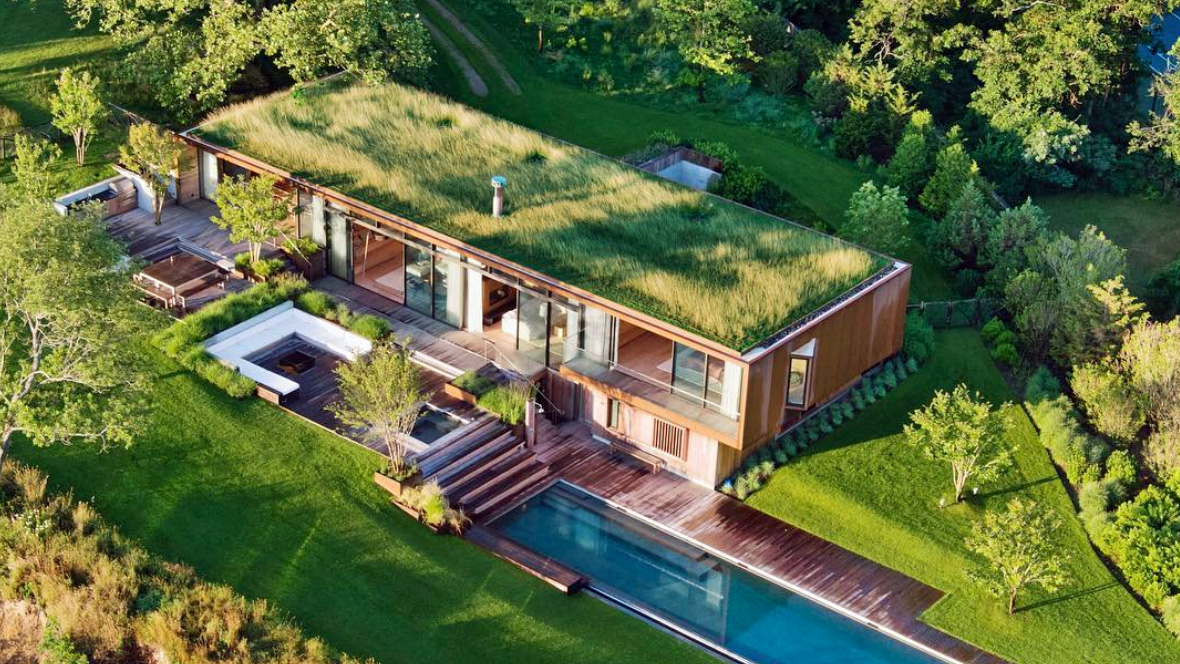
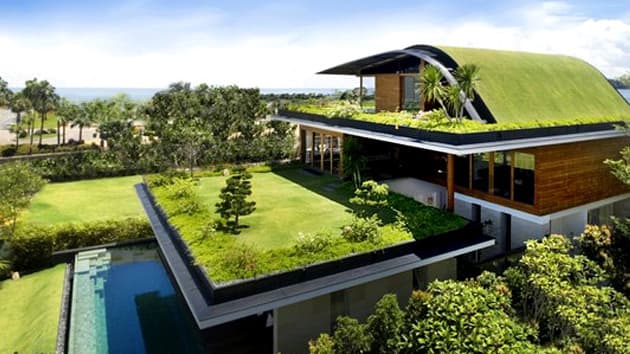
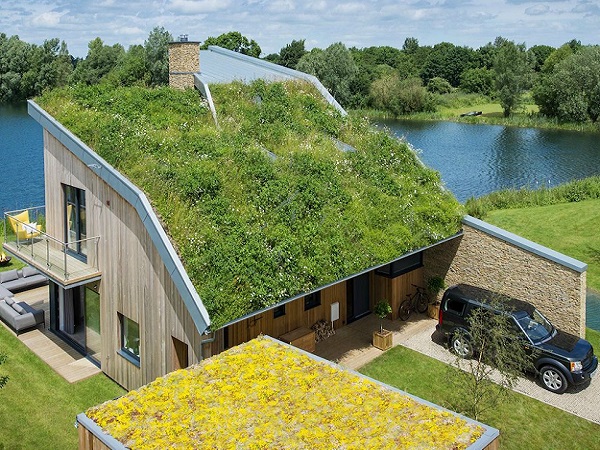
Green roofs are a sustainable building feature that can help to improve air quality, reduce energy consumption, and provide habitat for local wildlife. By covering all or part of your roof with vegetation, you can create a living roof that helps to insulate your home, absorb rainwater, and reduce the urban heat island effect.
In addition to their environmental benefits, green roofs can also improve the aesthetic appeal of your home and increase your property value. Whether you opt for a simple sedum roof or a more elaborate rooftop garden, green roofs are a versatile and eco-friendly option for sustainable home design.
When designing a green roof for your home, consider factors like climate, roof slope, and structural support to ensure a successful and sustainable installation. By incorporating a green roof into your home design, you can create a beautiful and environmentally friendly living space that benefits both you and the planet.
Energy-Efficient Appliances
One of the biggest energy hogs in the home is the appliances we use every day. By choosing energy-efficient appliances, you can significantly reduce your home’s energy consumption and lower your utility bills. Look for appliances with the ENERGY STAR label, which indicates that they meet strict energy efficiency guidelines set by the Environmental Protection Agency.
When shopping for energy-efficient appliances, consider factors like size, capacity, and features to ensure that you choose the most efficient option for your needs. From refrigerators and dishwashers to washing machines and HVAC systems, there are energy-efficient options available for every room in your home.
By investing in energy-efficient appliances, you can not only save money on your energy bills but also reduce your carbon footprint and contribute to a more sustainable future. Making simple changes like upgrading to energy-efficient appliances can have a big impact on your home’s energy usage and your overall environmental impact.
Smart Home Technology
Smart home technology is a growing trend in sustainable home design that can help homeowners reduce their energy consumption and create a more efficient living space. From smart thermostats and lighting systems to home automation and energy monitoring tools, there are countless options for incorporating smart technology into your home.
One key benefit of smart home technology is the ability to control and monitor your home’s energy usage remotely, allowing you to make adjustments and save energy even when you’re not at home. By using smart technology to optimize your home’s energy efficiency, you can reduce your carbon footprint and lower your energy bills.
When incorporating smart home technology into your sustainable home design, consider factors like compatibility, ease of use, and energy savings to ensure that you choose the right technology for your needs. By embracing smart home technology, you can create a more sustainable and efficient living environment for yourself and your family.
Indoor Air Quality
Indoor air quality is an often overlooked aspect of sustainable home design that can have a big impact on the health and well-being of your family. By using non-toxic building materials, installing proper ventilation systems, and incorporating indoor plants into your home, you can create a healthy and comfortable living environment that promotes clean air and reduces indoor pollutants.
One simple way to improve indoor air quality is by choosing low-VOC (volatile organic compound) paints and finishes for your walls and furniture. These products emit fewer harmful chemicals into the air, reducing indoor air pollution and creating a healthier living space for you and your family.
Another option for improving indoor air quality is to incorporate plants into your home, which can help to filter out pollutants and improve air circulation. From air-purifying plants like spider plants and peace lilies to low-maintenance succulents and cacti, there are countless options for adding greenery to your home and improving indoor air quality.
Conclusion
Sustainable home design is not just a trend – it’s a necessity in today’s world. By incorporating energy-efficient lighting, passive solar design, water-efficient fixtures, recycled materials, green roofs, energy-efficient appliances, smart home technology, and indoor air quality improvements into your home design, you can create a more sustainable living space that benefits both you and the planet.
From reducing your carbon footprint and saving money on energy bills to improving indoor air quality and promoting a healthier lifestyle, sustainable home design offers countless benefits for homeowners. Whether you’re building a new home or renovating an existing one, there are endless opportunities to incorporate sustainable features and create a more eco-friendly living environment for yourself and future generations.
FAQs
What are some benefits of sustainable home design?
Sustainable home design offers numerous benefits, including reduced energy consumption, lower utility bills, improved indoor air quality, and a smaller carbon footprint. By incorporating sustainable features into your home, you can create a healthier and more environmentally friendly living space for yourself and your family.
How can I incorporate sustainable design into my home?
There are many ways to incorporate sustainable design into your home, such as using energy-efficient lighting, passive solar design, water-efficient fixtures, recycled materials, green roofs, energy-efficient appliances, smart home technology, and indoor air quality improvements. By making simple changes to your home design, you can create a more sustainable living space that benefits both you and the planet.