
Exploring the Future of Smart Home Technology
With advancements in technology constantly evolving, smart home technology has become more prominent in households around the world. From voice-activated assistants to smart thermostats and security systems, smart home technology is revolutionizing the way we live. In this article, we will delve into the latest trends and innovations in smart home technology and how they are shaping the future of our homes.
1. Voice-Activated Assistants
Voice-activated assistants like Amazon Alexa, Google Home, and Apple HomePod have become a staple in many households. These devices use artificial intelligence to respond to voice commands, allowing users to control their smart home devices, play music, set reminders, and more. With the ability to integrate with various smart devices, voice-activated assistants have made home automation more accessible and convenient.

One of the key benefits of voice-activated assistants is their ability to learn and adapt to users’ preferences over time. By analyzing user interactions and behaviors, these devices can provide personalized recommendations and suggestions to enhance the overall smart home experience.
As voice recognition technology continues to improve, voice-activated assistants are becoming more intuitive and responsive. Users can now have natural conversations with their devices, making interactions more seamless and user-friendly.
2. Smart Thermostats
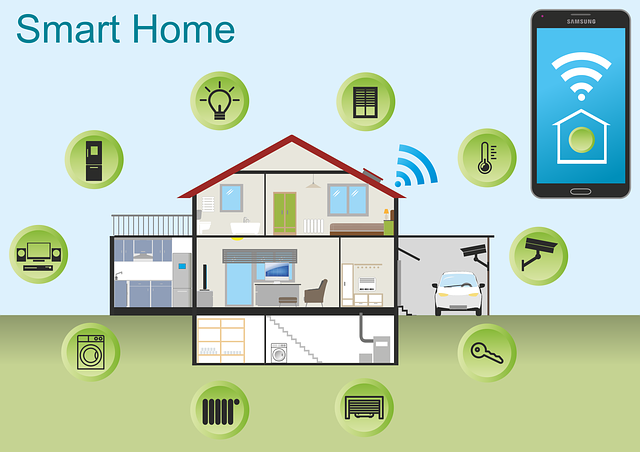
Smart thermostats like Nest and Ecobee have revolutionized the way we control the temperature in our homes. These devices use sensors and algorithms to learn users’ behaviors and adjust the temperature accordingly, resulting in energy savings and increased comfort.
One of the main advantages of smart thermostats is their ability to be controlled remotely via a smartphone app. This allows users to monitor and adjust the temperature of their homes from anywhere, ensuring optimal comfort and energy efficiency.

Smart thermostats also offer features like geofencing, which uses GPS to detect when users are away from home and adjust the temperature accordingly. This not only helps save energy but also provides added convenience for users.
3. Smart Security Systems
Smart security systems have become essential for homeowners looking to protect their properties. These systems typically include features like video surveillance, motion sensors, and smart locks, all of which can be controlled remotely via a smartphone app.

One of the key benefits of smart security systems is their ability to send real-time alerts to users’ smartphones in the event of suspicious activity. This allows homeowners to take immediate action and ensure the safety of their homes and loved ones.
Smart security systems also offer integration with other smart devices, such as smart lights and thermostats, to enhance overall home security. For example, users can set up automated lighting schedules to make it appear as though someone is home, deterring potential intruders.
4. Smart Lighting
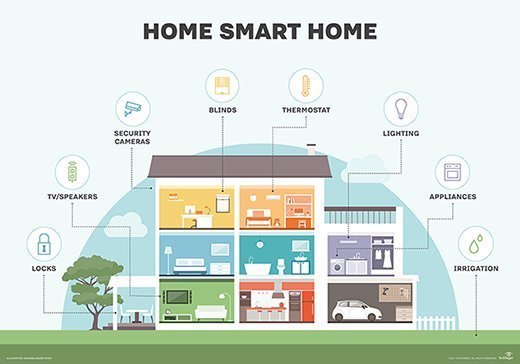
Smart lighting systems have become increasingly popular in smart homes, offering users the ability to control the brightness and color of their lights with a smartphone app or voice commands. These systems can also be programmed to follow a schedule or adjust based on users’ behaviors and preferences.
One of the main advantages of smart lighting is its energy efficiency. Users can set up automated schedules to turn lights on and off at specific times, reducing energy consumption and electricity bills. Additionally, smart lighting systems typically use LED bulbs, which are more energy-efficient and longer-lasting than traditional incandescent bulbs.
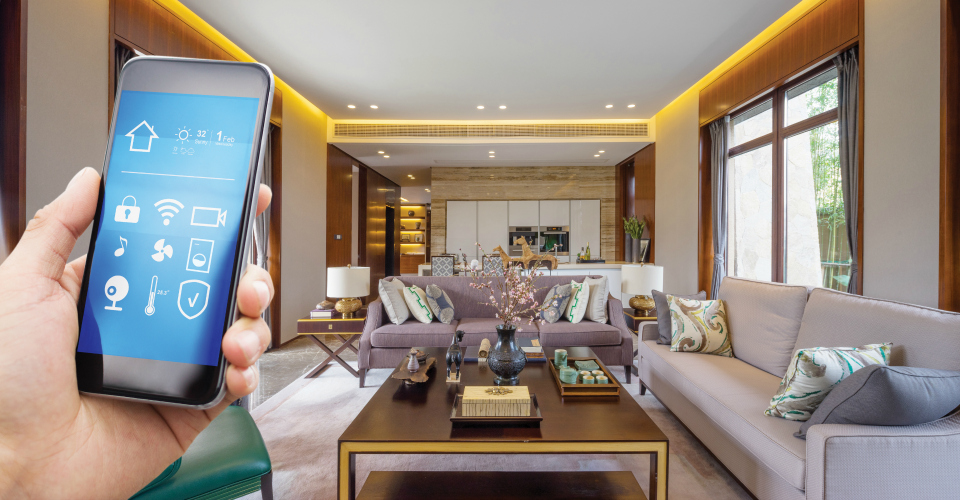
Smart lighting also offers convenience and customization for users. With the ability to adjust the color and brightness of lights, users can create different moods and atmospheres in their homes, whether they are hosting a dinner party or relaxing after a long day.
5. Smart Appliances
Smart appliances like refrigerators, ovens, and washing machines are becoming more commonplace in modern homes, offering users increased convenience and efficiency. These appliances are connected to the internet, allowing users to monitor and control them remotely via a smartphone app.
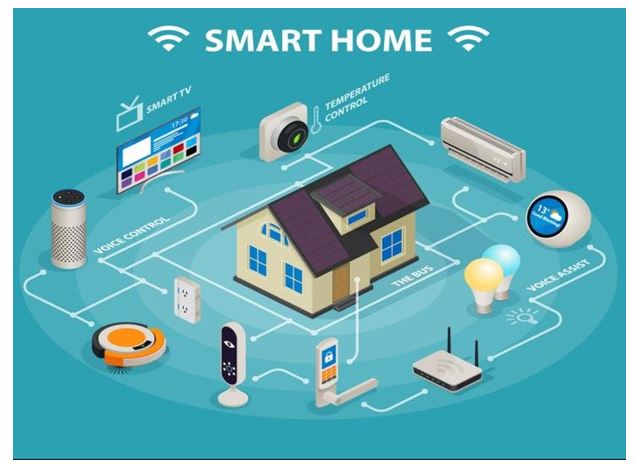
One of the main benefits of smart appliances is their ability to optimize energy usage and reduce waste. For example, smart refrigerators can alert users when food is nearing its expiration date, helping reduce food waste. Smart ovens can also suggest cooking times and temperatures based on the recipe, ensuring perfectly cooked meals every time.
Smart appliances also offer features like remote diagnostics, which allow manufacturers to troubleshoot issues remotely and provide timely repairs. This helps extend the lifespan of appliances and reduce maintenance costs for users.
6. Home Automation Systems
Home automation systems integrate various smart devices and appliances in a home, allowing users to control them all from a central hub. These systems can be programmed to follow schedules, respond to voice commands, and even learn users’ behaviors to automate tasks and improve efficiency.
One of the key advantages of home automation systems is their ability to create a seamless and integrated smart home experience. Users can control lighting, climate, security, and entertainment systems all from one app or voice-activated assistant, making it easy to manage their homes efficiently.
Home automation systems also offer customization and flexibility for users. Whether they want to set up a smart home theater system or create a personalized lighting scheme, these systems can be tailored to meet users’ unique needs and preferences.
7. Energy Management Systems
Energy management systems help users monitor and optimize their home’s energy usage, leading to cost savings and reduced environmental impact. These systems typically include smart meters, energy monitors, and software that provide real-time data on energy consumption and suggest ways to improve efficiency.
One of the main benefits of energy management systems is their ability to provide insight into users’ energy usage patterns. By analyzing data on energy consumption, users can identify areas where they can reduce waste and make changes to save money and reduce their carbon footprint.
Energy management systems also offer features like energy usage alerts and recommendations, which help users stay informed and take proactive steps to conserve energy. These systems can also integrate with smart devices like thermostats and lighting systems to automate energy-saving measures.
8. Future Trends in Smart Home Technology
The future of smart home technology is promising, with new innovations and trends on the horizon. Some of the key developments to look out for include advancements in artificial intelligence, increased integration of Internet of Things (IoT) devices, and enhanced data security and privacy measures.
Artificial intelligence is expected to play a larger role in smart home technology, enabling devices to learn and adapt to users’ behaviors more effectively. This will result in more personalized and intuitive smart home experiences, making automation even more seamless and user-friendly.
With the continued growth of IoT devices, smart homes will become more interconnected, allowing users to control and monitor all aspects of their homes from a single platform. This will lead to increased convenience and efficiency, as users can manage their homes more effectively and make informed decisions about energy usage and security.
Conclusion
Smart home technology is transforming the way we live, offering increased convenience, efficiency, and security for homeowners. With the rise of voice-activated assistants, smart thermostats, security systems, and other smart devices, homes are becoming more connected and automated than ever before. As technology continues to evolve, the future of smart home technology looks promising, with new innovations and trends on the horizon. By embracing these advancements, homeowners can create a more comfortable, energy-efficient, and secure living environment for themselves and their families.
FAQs
1. What is smart home technology?
Smart home technology refers to the use of interconnected devices and appliances in a home that can be controlled remotely via a smartphone app or voice commands. These devices are designed to automate tasks, enhance security, and improve energy efficiency in the home.
2. How can smart home technology benefit homeowners?
Smart home technology can benefit homeowners in various ways, including increased convenience, energy savings, enhanced security, and improved comfort. By integrating smart devices and appliances into their homes, homeowners can create a more efficient and connected living environment.
3. Are smart home devices secure?
Security is a valid concern with smart home devices, as they are connected to the internet and can be vulnerable to cyberattacks. However, manufacturers are implementing advanced security measures like encryption and authentication protocols to protect users’ data and privacy.