
Reimagined Public Spaces: How Innovative Designs Are Shaping Our Cities
In recent years, there has been a growing trend towards reimagining public spaces in cities around the world. From transforming abandoned warehouses into vibrant community hubs to creating urban parks that double as art installations, these innovative designs are changing the way we interact with our environment. In this article, we will explore some of the most inspiring examples of reimagined public spaces and the impact they are having on our communities.
Adaptive Reuse: Transforming Old Spaces into New Destinations
One of the most exciting trends in reimagining public spaces is adaptive reuse, where old buildings or infrastructure are repurposed for new uses. This not only preserves the character of historic structures but also gives them a new lease on life. For example, the High Line in New York City was once an abandoned railway line, but has been transformed into a popular elevated park that attracts millions of visitors each year.
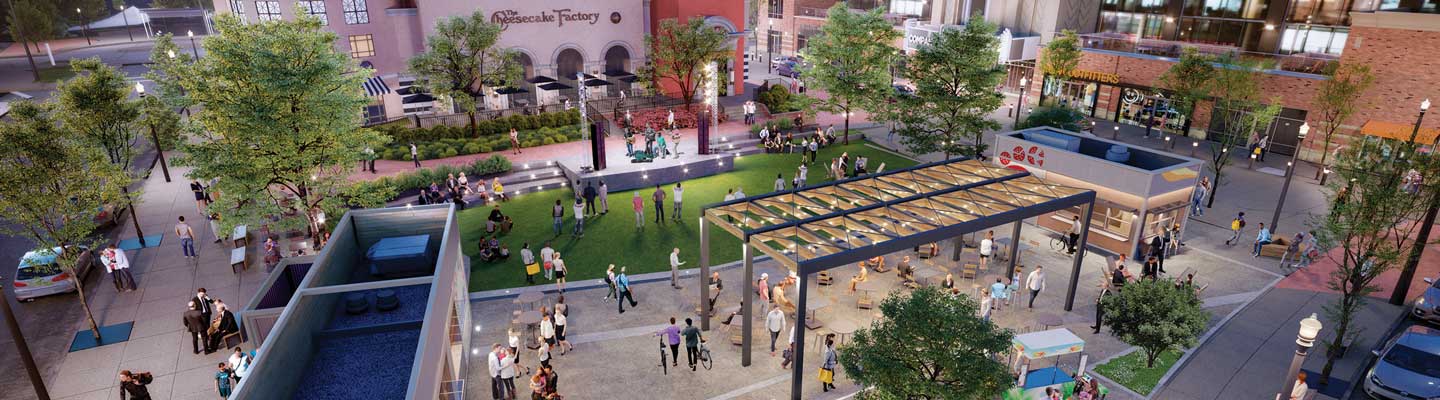
Another great example of adaptive reuse is The Piazza in Philadelphia, which was once a vacant lot but is now a bustling outdoor plaza with shops, restaurants, and entertainment venues. By breathing new life into these neglected spaces, cities are able to create unique destinations that bring people together and revitalize urban neighborhoods.
As cities continue to grow and evolve, the need for creative solutions to make the most of limited space becomes increasingly important. By looking at existing structures with fresh eyes and thinking outside the box, designers and urban planners can create public spaces that are not only functional but also beautiful and inspiring.
Sustainable Design: Building for the Future

With climate change and environmental sustainability at the forefront of global concerns, reimagined public spaces are increasingly being designed with a focus on sustainability. From green roofs and rain gardens to solar panels and recycled materials, these spaces are not only beautiful but also environmentally friendly.
One great example of sustainable design in public spaces is the Bosco Verticale in Milan, Italy. These twin residential towers are covered in thousands of trees and plants, creating a vertical forest that helps to reduce air pollution and improve the quality of life for residents. By incorporating nature into the built environment, cities can create spaces that are not only visually stunning but also contribute to a healthier planet.
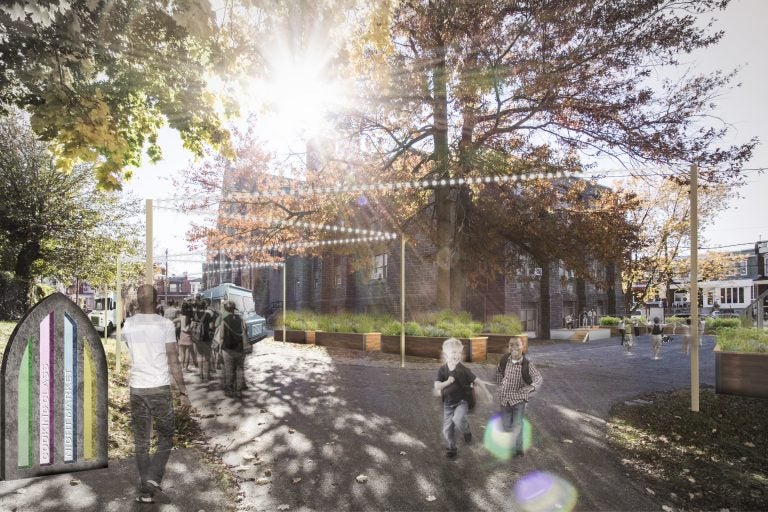
Another innovative approach to sustainable design is the use of permeable pavement in public plazas and sidewalks. This allows rainwater to seep into the ground instead of running off into storm drains, reducing the risk of flooding and pollution. By incorporating sustainable design principles into reimagined public spaces, cities can create a more resilient and environmentally friendly urban landscape.
Interactive Art Installations: Engaging the Community
One of the most exciting trends in reimagining public spaces is the use of interactive art installations to engage the community and create unique experiences. From large-scale sculptures to immersive light displays, these installations are transforming public spaces into vibrant cultural destinations.
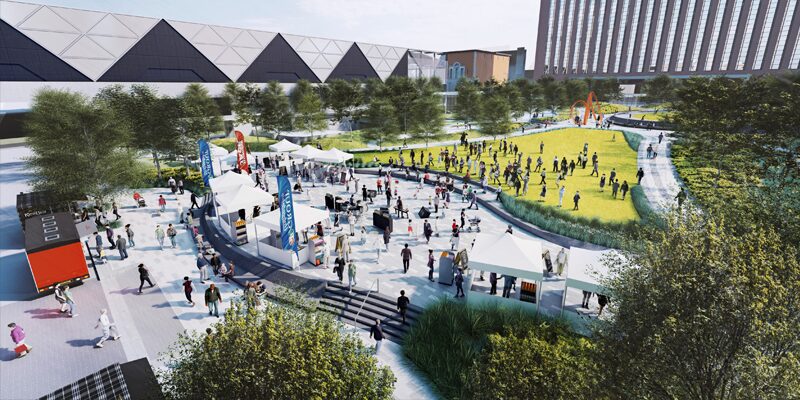
One great example of interactive art in public spaces is the Color Factory in San Francisco, a multi-sensory exhibit that invites visitors to explore and interact with colorful installations created by local artists. By combining art, technology, and design, the Color Factory has become a must-visit destination for locals and tourists alike.
Another inspiring example of interactive art in public spaces is the Luminale in Frankfurt, Germany, a biennial light festival that transforms the city into a dazzling display of illuminated artworks. By bringing together artists, designers, and the community, the Luminale creates a truly immersive experience that celebrates creativity and innovation.
Community Engagement: Empowering Residents to Shape Their Spaces

Reimagined public spaces are not just about physical design – they are also about empowering communities to take ownership of their shared environment. By involving residents in the planning and design process, cities can create spaces that reflect the unique needs and values of the people who use them.
One great example of community engagement in reimagined public spaces is the Participatory Budgeting process in New York City, where residents vote on how to allocate city funds for neighborhood projects. This grassroots approach allows residents to have a direct say in the development of their communities and ensures that public spaces are designed with their input in mind.

Another inspiring example of community engagement is the Tactical Urbanism movement, where residents and local organizations work together to create temporary interventions in public spaces to test out new ideas and gather feedback from the community. By empowering residents to shape their own spaces, cities can create public places that are truly inclusive and reflective of the diverse needs of their communities.
Inclusive Design: Creating Spaces for Everyone
When reimagining public spaces, it is essential to consider the needs of all members of the community, including people with disabilities, seniors, and children. Inclusive design principles ensure that public spaces are accessible, safe, and welcoming to everyone, regardless of their age or ability.
One great example of inclusive design in public spaces is the High Line in New York City, which features ramps, elevators, and seating areas that are accessible to people of all abilities. By incorporating universal design principles into the planning and development of public spaces, cities can create environments that are truly inclusive and welcoming to everyone.
Another important aspect of inclusive design is the incorporation of sensory elements that cater to people with different sensory needs. For example, public spaces with tactile surfaces, interactive sound installations, and sensory gardens can provide a rich and engaging experience for people with autism or sensory processing disorders. By creating spaces that are inclusive and welcoming to everyone, cities can ensure that public spaces are truly for all.
Public-Private Partnerships: Collaborating for Success
Reimagining public spaces often requires collaboration between the public sector, private companies, and community organizations. Public-private partnerships can bring together the resources and expertise needed to create innovative and sustainable public spaces that benefit everyone.
One great example of a successful public-private partnership in reimagining public spaces is the High Line in New York City, which was developed through a collaboration between the city government, private donors, and community organizations. This partnership allowed for the transformation of a derelict railway line into a world-class park that has become a model for urban revitalization projects around the world.
Another inspiring example of public-private partnerships is the Placemaking movement, which brings together developers, businesses, and local residents to create vibrant and inclusive public spaces that reflect the unique character of their communities. By working together, public and private stakeholders can leverage their respective strengths to create spaces that are truly transformative and sustainable.
Future Trends: What’s Next for Reimagined Public Spaces
As cities continue to evolve and grow, the importance of reimagining public spaces will only become more apparent. From incorporating new technologies and sustainable design practices to fostering community engagement and inclusivity, the future of public spaces is full of exciting possibilities.
One emerging trend in reimagined public spaces is the use of augmented reality and virtual reality to create immersive and interactive experiences for visitors. By blending the physical and digital worlds, these technologies can transform public spaces into dynamic and engaging environments that inspire creativity and exploration.
Another future trend to watch is the rise of green infrastructure in public spaces, such as green roofs, living walls, and urban forests. These sustainable design practices not only help to mitigate the effects of climate change but also create healthier and more resilient cities for future generations to enjoy. By embracing these innovative approaches, cities can create public spaces that are not only beautiful and functional but also sustainable and future-proof.
Conclusion
Reimagined public spaces are shaping the way we interact with our cities and communities, creating vibrant and inclusive environments that bring people together and inspire creativity. From adaptive reuse and sustainable design to interactive art installations and community engagement, the possibilities for transforming public spaces are endless. By embracing innovation, collaboration, and inclusivity, cities can create public spaces that are truly transformative and reflective of the diverse needs and values of their communities.
FAQs
1. What are some benefits of reimagining public spaces?
Reimagining public spaces can lead to revitalized communities, increased social interaction, improved mental health, and enhanced environmental sustainability.
2. How can communities get involved in the reimagining of public spaces?
Communities can get involved in the reimagining of public spaces through participatory design processes, community engagement initiatives, and public-private partnerships.
3. What role do sustainable design practices play in reimagining public spaces?
Sustainable design practices help to create healthier, more resilient public spaces that minimize environmental impact and contribute to a more sustainable future.