
Next-Gen Living Environments: Embracing the Future of Sustainable Living
In today’s fast-paced world, the way we live is constantly evolving. With advancements in technology and a growing awareness of the impact of our actions on the environment, the concept of next-gen living environments has emerged as a way to create sustainable and innovative spaces for future generations. From smart homes to eco-friendly communities, the possibilities for next-gen living are endless.
The Rise of Smart Homes
Smart homes are becoming increasingly popular as people seek ways to make their lives more convenient and efficient. These homes are equipped with cutting-edge technology that allows residents to control everything from lighting and temperature to security systems with the touch of a button. By integrating smart devices and sensors, homeowners can reduce energy consumption and lower their carbon footprint, making them an essential component of next-gen living environments.
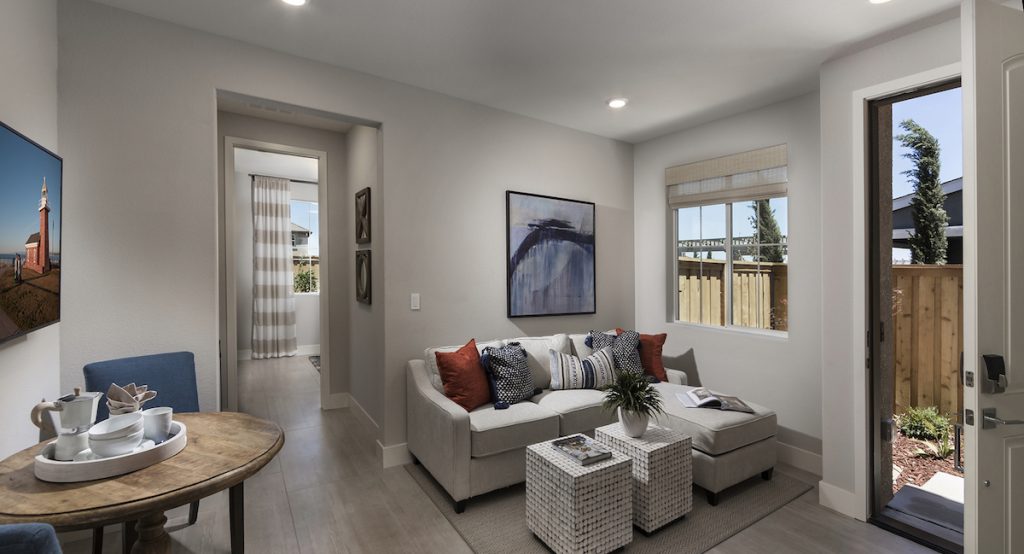
One of the key benefits of smart homes is their ability to adapt to the needs of residents. For example, intelligent thermostats can learn the preferences of the household and adjust the temperature accordingly, providing both comfort and energy savings. Additionally, smart appliances can help homeowners track their energy usage and make more informed decisions about their consumption habits, further promoting sustainability.
As technology continues to advance, the possibilities for smart homes are endless. From voice-activated assistants to self-regulating systems, the future of next-gen living environments is bright, offering a glimpse into a more connected and sustainable way of life.
Eco-Friendly Communities

Another exciting development in next-gen living environments is the rise of eco-friendly communities. These sustainable neighborhoods are designed with the environment in mind, incorporating green spaces, renewable energy sources, and environmentally friendly building materials to create a harmonious balance between humans and nature.
One of the key features of eco-friendly communities is their focus on reducing waste and promoting recycling. Residents are encouraged to compost, recycle, and use sustainable products to minimize their impact on the environment. Additionally, many eco-friendly communities offer amenities such as community gardens, bike-sharing programs, and electric vehicle charging stations to further promote sustainable living.
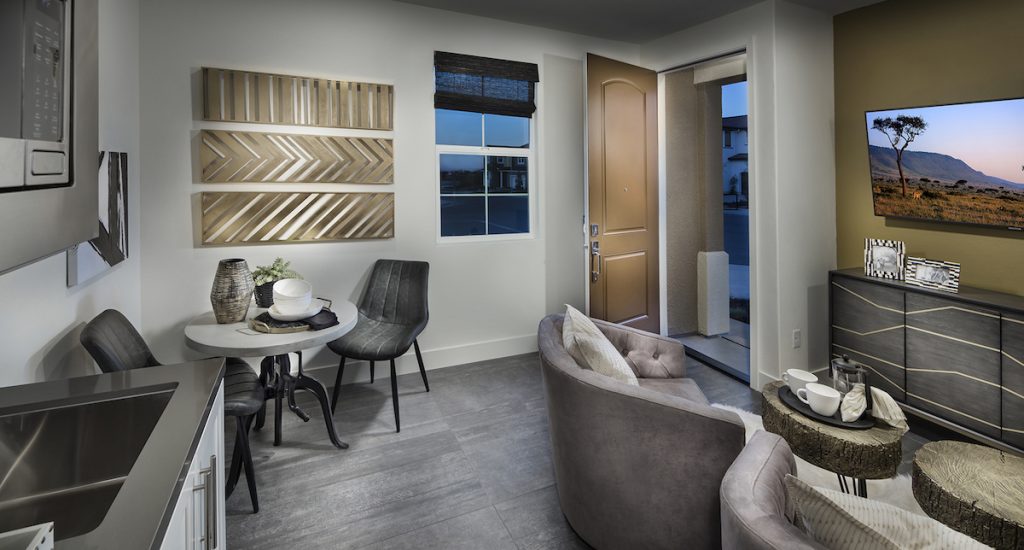
By living in an eco-friendly community, residents can enjoy a higher quality of life while also making a positive impact on the planet. These communities provide a sense of community and connection to nature that is often lacking in traditional urban environments, making them an attractive option for those looking to embrace the future of sustainable living.
Green Building Practices
Green building practices are at the forefront of next-gen living environments, with architects and developers incorporating sustainable design principles into their projects. From passive solar design to energy-efficient materials, green buildings are revolutionizing the way we think about construction and urban development.

One of the key benefits of green building practices is their ability to reduce energy consumption and lower carbon emissions. By using renewable energy sources such as solar panels and geothermal heating, green buildings can significantly decrease their environmental impact while also providing a more comfortable and healthy living space for residents.
Additionally, green building practices often include features such as rainwater harvesting, energy-efficient lighting, and natural ventilation to further promote sustainability. These practices not only benefit the environment but also help residents save money on utility bills and create a more resilient and sustainable community for the future.
Healthy Living Spaces

Next-gen living environments prioritize the health and well-being of residents, with a focus on creating spaces that promote physical and mental wellness. From biophilic design to indoor air quality monitoring, these spaces are designed to enhance the overall quality of life for those who live in them.
Biophilic design, which incorporates natural elements such as plants and natural light into the built environment, has been shown to reduce stress, improve cognitive function, and enhance overall well-being. By bringing the outdoors inside, residents can connect with nature and enjoy the benefits of a healthier living space.
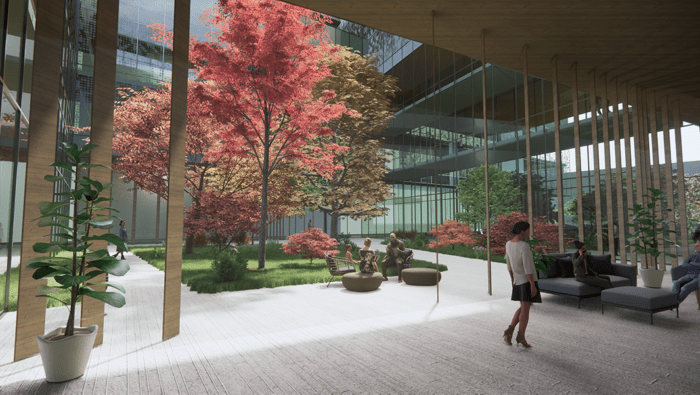
Indoor air quality monitoring is another important aspect of healthy living spaces, as poor air quality can have a significant impact on respiratory health and overall well-being. By installing air filtration systems and monitoring devices, residents can ensure that they are breathing clean and healthy air, promoting a more comfortable and sustainable living environment.
Community Engagement and Social Connectivity
Next-gen living environments prioritize community engagement and social connectivity, recognizing the importance of fostering connections between residents and creating a sense of belonging. From community events to shared amenities, these spaces are designed to promote interaction and collaboration, creating a vibrant and inclusive community for all who live there.
Community events such as farmers markets, yoga classes, and movie nights provide residents with opportunities to connect with their neighbors and build relationships within the community. Shared amenities such as community gardens, co-working spaces, and rooftop lounges further promote social connectivity and create a sense of belonging among residents.
By prioritizing community engagement and social connectivity, next-gen living environments create a supportive and inclusive environment where residents can thrive. These spaces foster a sense of belonging and connection, promoting a more sustainable and resilient community for the future.
Technological Integration and Innovation
Technological integration and innovation are central to next-gen living environments, with developers and designers incorporating cutting-edge technology into their projects to create smarter and more efficient spaces. From smart home systems to virtual reality tours, technology is transforming the way we live and interact with our environment.
Smart home systems, which allow residents to control their homes from anywhere in the world, are becoming increasingly popular in next-gen living environments. These systems can help residents save energy, improve security, and enhance their overall quality of life, making them an essential component of sustainable living.
Virtual reality tours are another innovative feature of next-gen living environments, allowing residents to explore and interact with their future homes before they are even built. By using virtual reality technology, developers can showcase their projects in a more immersive and engaging way, giving potential residents a better understanding of the space and its features.
Urban Planning and Sustainable Development
Urban planning and sustainable development are essential components of next-gen living environments, with cities and communities around the world embracing innovative strategies to create more livable and resilient spaces. From green infrastructure to mixed-use developments, urban planners are reimagining the way we design and build our cities for a more sustainable future.
Green infrastructure, which includes features such as green roofs, rain gardens, and permeable pavement, helps cities manage stormwater runoff, reduce heat islands, and promote biodiversity. By incorporating these features into urban planning, cities can create more sustainable and resilient environments that benefit both residents and the planet.
Mixed-use developments, which combine residential, commercial, and recreational spaces in a single neighborhood, are another innovative approach to urban planning. These developments promote walkability, reduce reliance on cars, and create vibrant and diverse communities that are both sustainable and enjoyable to live in.
Conclusion
As we look to the future, the concept of next-gen living environments offers a glimpse into a more sustainable, connected, and innovative way of life. From smart homes to eco-friendly communities, green building practices to healthy living spaces, the possibilities for next-gen living are endless. By embracing these concepts and integrating them into our cities and communities, we can create a more resilient and sustainable future for all.
Whether you’re looking to reduce your carbon footprint, improve your quality of life, or connect with your community, next-gen living environments offer something for everyone. By prioritizing sustainability, technology, community engagement, and innovation, we can create spaces that not only meet our needs today but also ensure a brighter future for generations to come.
FAQ
What are the key features of next-gen living environments?
Next-gen living environments prioritize sustainability, technology, community engagement, and innovation. They incorporate smart home systems, green building practices, healthy living spaces, and social connectivity to create a more sustainable and resilient way of life.
How can I incorporate next-gen living concepts into my current living space?
You can start by making small changes such as installing energy-efficient appliances, using sustainable materials, and promoting community engagement in your neighborhood. By prioritizing sustainability and innovation in your everyday life, you can begin to create a more next-gen living environment for yourself and those around you.
What are some benefits of living in a next-gen environment?
Living in a next-gen environment can have numerous benefits, including lower energy costs, improved quality of life, stronger community connections, and reduced environmental impact. By embracing next-gen living concepts, you can create a more sustainable and resilient way of life for yourself and future generations.