
Modular Home Construction: The Future of Sustainable Living
Modular home construction is revolutionizing the way we build homes, offering a more sustainable and efficient alternative to traditional stick-built homes. With the rising concerns about climate change and the need for eco-friendly housing solutions, modular homes have become increasingly popular among homeowners looking to reduce their carbon footprint and lower their energy bills. In this article, we will explore the benefits of modular home construction and why it is considered the future of sustainable living.
The Advantages of Modular Home Construction
Modular homes are built in a factory setting, where each module is constructed to meet strict quality control standards. This results in a more precise and efficient building process, with less wasted materials and faster construction times. The controlled environment of the factory also means that there are fewer delays due to weather conditions, allowing for year-round construction. Additionally, modular homes are often more energy-efficient than traditional homes, with better insulation and higher quality windows and doors.
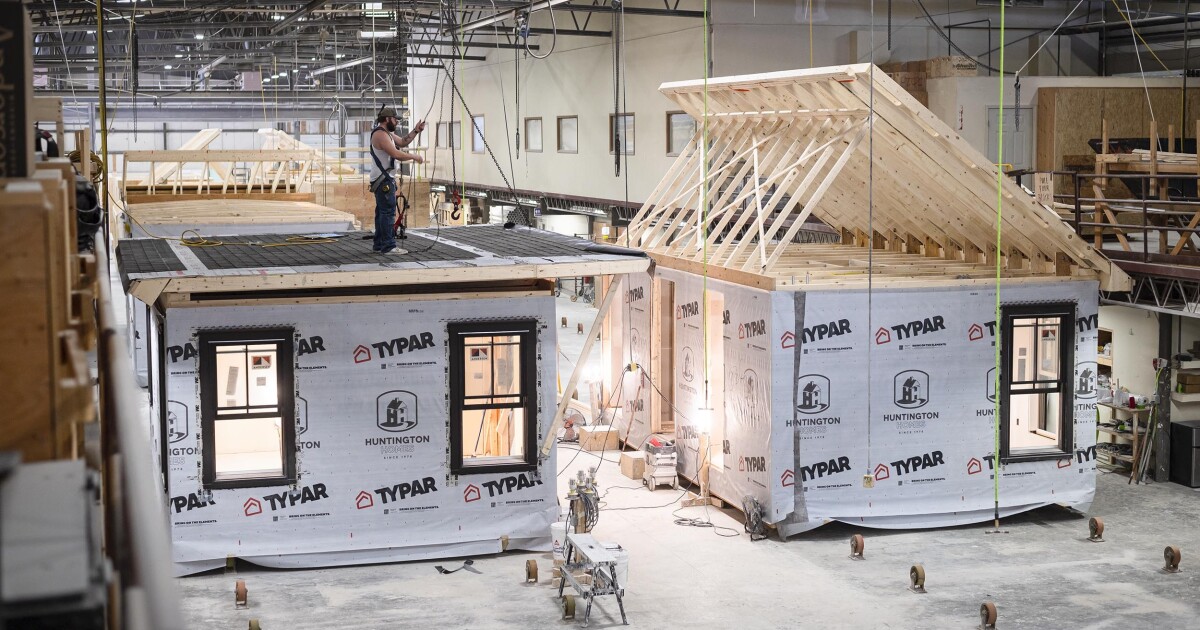
Another advantage of modular home construction is the cost savings. Because the materials are purchased in bulk and the construction process is streamlined, modular homes are often more affordable than traditional stick-built homes. Homeowners can also save money on energy bills in the long run, as modular homes are designed to be more energy-efficient and environmentally friendly.
Modular homes are also highly customizable, with a wide range of floor plans and design options to choose from. Homeowners can work with a modular home builder to create a home that fits their specific needs and preferences, from the layout of the rooms to the finishes and fixtures. This flexibility allows for a more personalized and unique home, without the need for costly customizations.
The Construction Process of Modular Homes
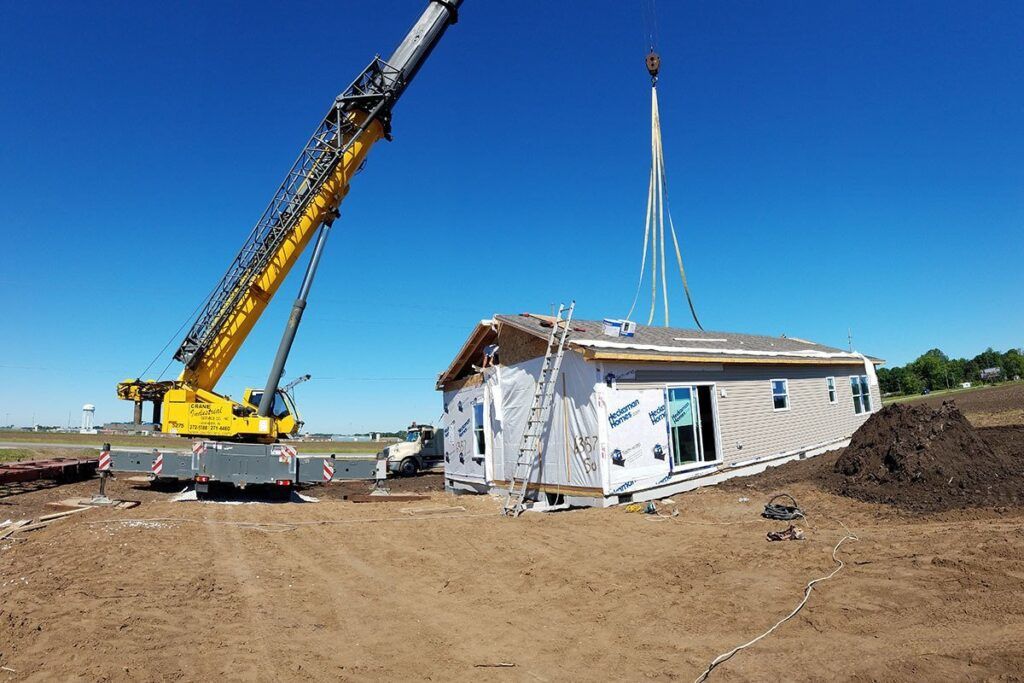
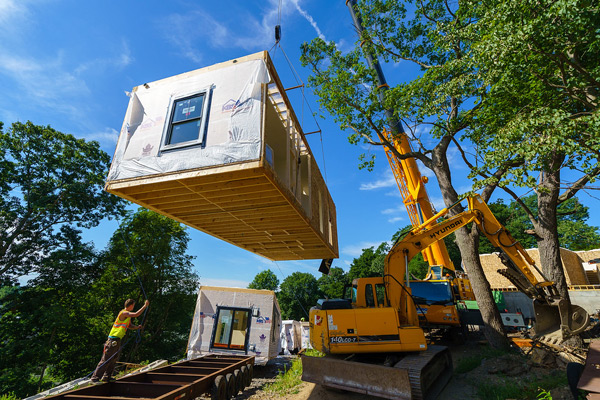
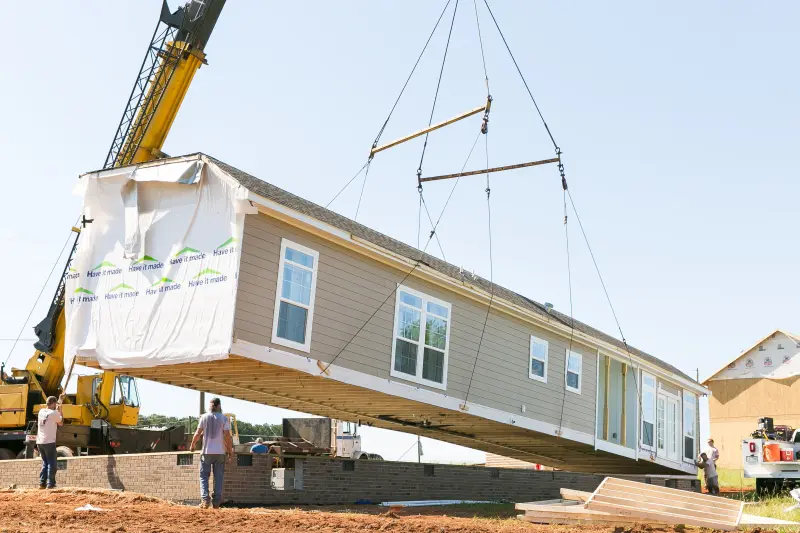
The construction process of modular homes begins with the design phase, where homeowners work with a modular home builder to create a floor plan and select finishes and fixtures. Once the design is finalized, the modules are constructed in a factory setting, where each module is built to meet strict quality control standards. The modules are then transported to the building site and assembled on a permanent foundation.
During the assembly process, the modules are connected together and the finishing touches are added, such as plumbing, electrical, and HVAC systems. Once the home is complete, it is inspected to ensure that it meets all local building codes and regulations. The entire construction process can typically be completed in a matter of weeks, depending on the size and complexity of the home.

One of the key advantages of modular home construction is the reduced environmental impact. Because the modules are constructed in a factory setting, there is less waste generated during the building process. Additionally, modular homes are designed to be more energy-efficient, with better insulation and higher quality windows and doors. This results in lower energy bills and a smaller carbon footprint for homeowners.
The Durability of Modular Homes
One common misconception about modular homes is that they are not as durable as traditional stick-built homes. However, this is simply not true. Modular homes are built to the same or higher standards as traditional homes, with high-quality materials and construction techniques. In fact, because modular homes are constructed in a factory setting, they are often more structurally sound and weather-resistant than stick-built homes.
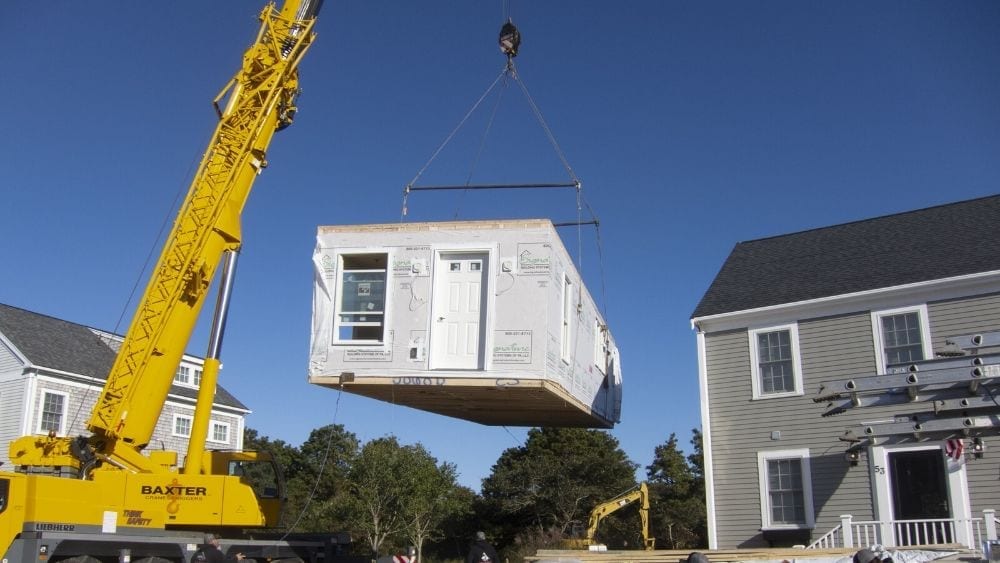
Modular homes are also built to withstand transportation, as they are constructed in modules and transported to the building site on flatbed trucks. This means that modular homes are often more durable than stick-built homes, which are subject to the elements during the construction process. Additionally, modular homes are inspected at every stage of the construction process to ensure that they meet all local building codes and regulations, further ensuring their durability and longevity.
Another factor that contributes to the durability of modular homes is the use of high-quality materials. Modular home builders use the same materials as traditional home builders, including wood, steel, and concrete. These materials are chosen for their strength and durability, ensuring that modular homes are built to last for years to come.
The Cost of Modular Home Construction
One of the main advantages of modular home construction is the cost savings. Because modular homes are constructed in a factory setting, the materials are purchased in bulk and the construction process is streamlined. This results in lower construction costs and faster build times, saving homeowners money in the long run. Additionally, modular homes are often more energy-efficient, leading to lower energy bills over time.
Modular homes are also highly customizable, with a wide range of floor plans and design options to choose from. Homeowners can work with a modular home builder to create a home that fits their specific needs and preferences, from the layout of the rooms to the finishes and fixtures. This flexibility allows for a more personalized and unique home, without the need for costly customizations.
Overall, the cost of modular home construction is competitive with traditional stick-built homes, making it an affordable option for homeowners looking to build a sustainable and energy-efficient home. With the cost savings and long-term benefits of modular home construction, it is no wonder that modular homes are becoming increasingly popular among eco-conscious homeowners.
Energy Efficiency of Modular Homes
Modular homes are designed to be more energy-efficient than traditional stick-built homes, with better insulation and higher quality windows and doors. This results in lower energy bills for homeowners, as the home is better able to retain heat in the winter and stay cool in the summer. Additionally, modular homes are often built with energy-efficient appliances and lighting, further reducing the home’s energy consumption.
Another factor that contributes to the energy efficiency of modular homes is the controlled environment of the factory setting. Because the modules are constructed indoors, there is less risk of air leaks and drafts, leading to a more airtight and energy-efficient home. Modular home builders also use advanced building techniques and materials to further enhance the energy efficiency of modular homes, such as solar panels and passive solar design.
Overall, the energy efficiency of modular homes not only saves homeowners money on their energy bills, but also reduces their carbon footprint. By choosing a modular home, homeowners can enjoy a more comfortable and sustainable living environment, without sacrificing style or design.
Customization Options for Modular Homes
Modular homes offer a wide range of customization options, allowing homeowners to create a home that fits their specific needs and preferences. From the layout of the rooms to the finishes and fixtures, modular homes can be tailored to reflect the homeowner’s unique style and lifestyle. Homeowners can work with a modular home builder to choose from a variety of floor plans and design options, selecting the features that best suit their needs.
One of the key advantages of modular home construction is the ability to customize the home to meet the homeowner’s specific requirements. Whether it’s adding extra bedrooms, a larger kitchen, or a home office, modular homes can be designed to accommodate a variety of needs and preferences. Homeowners can also choose from a wide range of finishes and fixtures, from flooring and countertops to lighting and hardware, to create a customized and personalized home.
With modular homes, the possibilities are endless. Homeowners can choose from a variety of exterior finishes, such as siding, brick, or stone, to create a home that reflects their personal style and taste. Inside, homeowners can select from a range of flooring options, cabinetry styles, and appliance packages to create a home that is both functional and beautiful. With modular homes, the only limit is your imagination.
Modular Homes: A Sustainable Housing Solution
Modular homes are a sustainable housing solution for homeowners looking to reduce their carbon footprint and lower their energy bills. With their energy-efficient design, customizable options, and cost savings, modular homes offer a more environmentally friendly and affordable alternative to traditional stick-built homes. By choosing a modular home, homeowners can enjoy a comfortable and sustainable living environment, without compromising on style or quality.
As the demand for sustainable housing solutions continues to grow, modular homes are becoming increasingly popular among homeowners and builders alike. With their innovative design, efficient construction process, and durable materials, modular homes are leading the way in sustainable living. Whether you’re looking to build a new home or upgrade your current one, consider the many benefits of modular home construction and join the sustainable living movement today.
Conclusion
Modular home construction is the future of sustainable living, offering homeowners a more efficient, customizable, and cost-effective housing solution. With their energy-efficient design, durable materials, and customizable options, modular homes are leading the way in eco-friendly housing. By choosing a modular home, homeowners can enjoy a comfortable and sustainable living environment, without sacrificing style or quality. Consider the many benefits of modular home construction and make the switch to a greener and more sustainable way of living today.
FAQs
Q: Are modular homes more affordable than traditional stick-built homes?
A: Yes, modular homes are often more affordable than traditional stick-built homes due to the streamlined construction process and bulk purchasing of materials. Additionally, modular homes are more energy-efficient, leading to lower energy bills over time.
Q: How long does it take to build a modular home?
A: The construction process of a modular home can typically be completed in a matter of weeks, depending on the size and complexity of the home. This is much faster than traditional stick-built homes, which can take several months to construct.
Q: Are modular homes customizable?
A: Yes, modular homes offer a wide range of customization options, allowing homeowners to create a home that fits their specific needs and preferences. From choosing the layout and floor plan to selecting finishes, materials, and energy-efficient features, modular homes can be tailored to reflect your lifestyle and taste. Many builders also provide options for adding extra rooms, expanding living spaces, or incorporating smart-home technology to enhance convenience and comfort. This flexibility makes modular homes an attractive choice for those who want a stylish, functional, and personalized living environment without the lengthy construction time of traditional builds.