
Modern Workspace Design: Creating a Productive and Inspiring Work Environment
In today’s fast-paced and ever-evolving work environment, the design of the workspace plays a crucial role in the productivity and well-being of employees. Modern workspace design focuses on creating a space that is not only functional but also inspiring and conducive to collaboration and creativity. From open floor plans to flexible workstations, modern workspace design incorporates the latest trends and technologies to create a more efficient and enjoyable work environment.
The Benefits of Modern Workspace Design
Modern workspace design offers a variety of benefits for both employees and employers. By creating a more open and collaborative work environment, employees are more likely to feel engaged and motivated. This can lead to increased productivity and creativity, as well as improved morale and job satisfaction. Additionally, modern workspace design can help attract and retain top talent, as employees are more likely to enjoy working in a space that is well-designed and thoughtfully laid out.
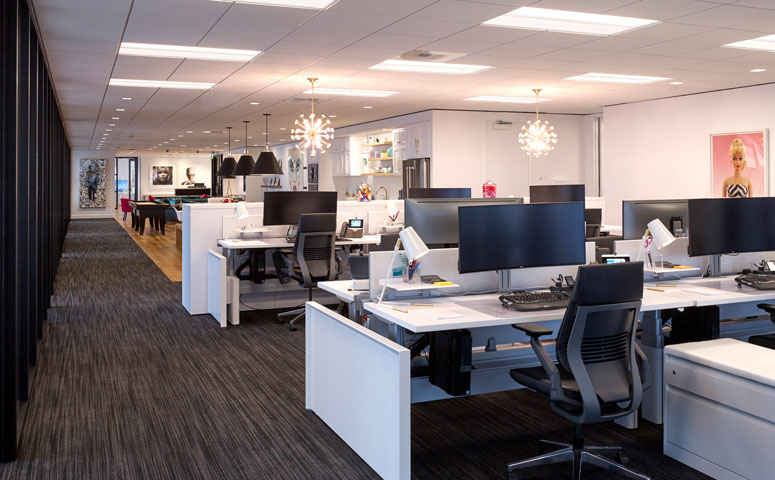
One of the key benefits of modern workspace design is its focus on flexibility and adaptability. With the rise of remote work and freelance opportunities, many companies are moving away from traditional office layouts in favor of more flexible workspaces. This allows employees to choose where and how they work, whether it’s at a desk, in a meeting room, or even in a cozy lounge area. This flexibility can help employees feel more in control of their work environment and ultimately lead to higher levels of productivity and satisfaction.
Another benefit of modern workspace design is its emphasis on wellness and employee well-being. Many modern workspaces incorporate elements of biophilic design, such as natural lighting, indoor plants, and green spaces, to create a more calming and rejuvenating work environment. By prioritizing employee health and wellness, companies can reduce stress and improve overall job satisfaction, leading to higher levels of engagement and productivity.
Key Elements of Modern Workspace Design
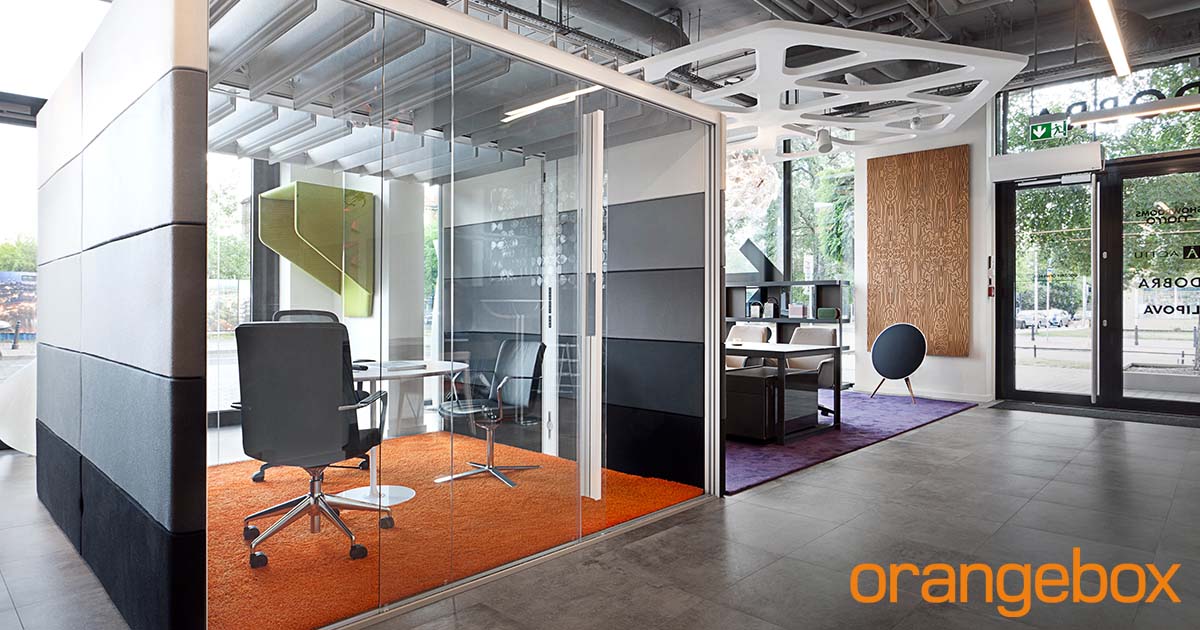
When designing a modern workspace, there are several key elements to consider in order to create a space that is both functional and inspiring. One of the most important elements of modern workspace design is flexibility. By incorporating flexible workstations, multi-functional furniture, and movable partitions, companies can create a space that can easily adapt to the changing needs of employees and the organization.
Another key element of modern workspace design is technology integration. In today’s digital age, technology plays a crucial role in how we work and collaborate. Modern workspaces should be equipped with the latest technology, such as high-speed internet, video conferencing capabilities, and wireless charging stations, to ensure that employees have the tools they need to work efficiently and effectively.

In addition to flexibility and technology, modern workspace design also emphasizes the importance of collaboration and communication. Open floor plans, shared workspaces, and designated collaboration zones can help facilitate teamwork and idea-sharing among employees. By creating spaces that foster collaboration and communication, companies can encourage innovation and creativity, leading to improved business outcomes.
Creating a Modern Workspace: Tips and Best Practices
When designing a modern workspace, it’s important to consider the needs and preferences of employees in order to create a space that is both functional and inspiring. One tip for creating a modern workspace is to involve employees in the design process. By soliciting feedback and input from employees, companies can create a workspace that meets their needs and preferences, leading to higher levels of engagement and satisfaction.
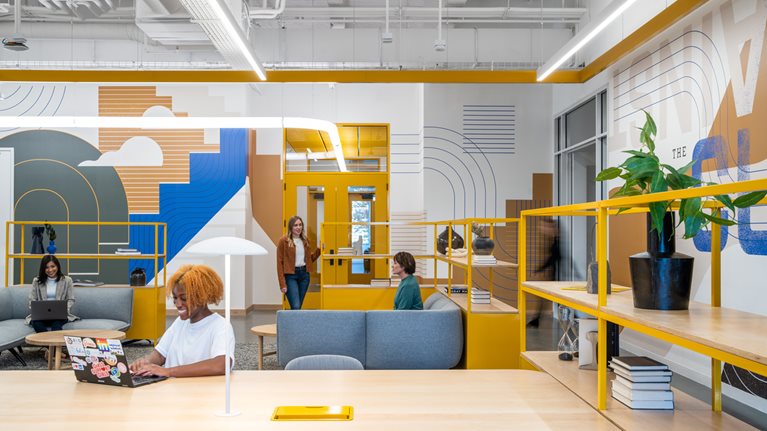
Another best practice for modern workspace design is to prioritize comfort and ergonomics. Employees spend a significant amount of time at their desks, so it’s important to provide comfortable seating, adjustable desks, and proper lighting to reduce strain and improve productivity. By investing in ergonomic furniture and design, companies can create a healthier and more comfortable work environment for employees.
In addition to comfort and ergonomics, modern workspace design should also prioritize sustainability and eco-friendliness. By using environmentally friendly materials, energy-efficient lighting, and green building practices, companies can reduce their carbon footprint and create a more eco-conscious work environment. This not only benefits the environment but also helps improve employee morale and job satisfaction.
Modern Workspace Design Trends to Watch
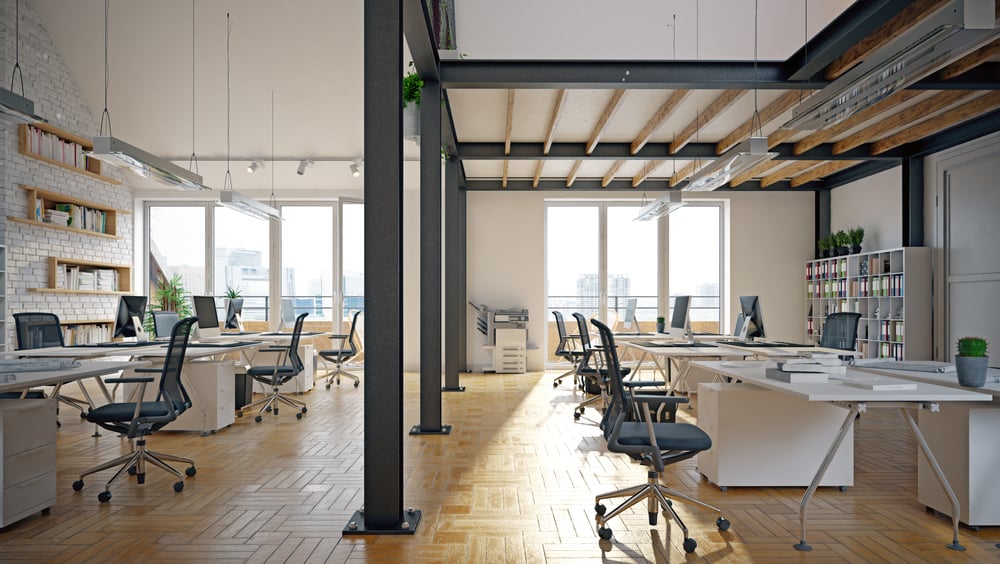
As modern workspace design continues to evolve, there are several trends that are shaping the future of workspaces around the world. One trend to watch is the rise of activity-based workspaces. Instead of assigning employees to a specific desk or workstation, activity-based workspaces allow employees to choose where and how they work based on the task at hand. This can lead to increased collaboration, creativity, and productivity among employees.
Another trend in modern workspace design is the incorporation of biophilic elements. Biophilic design focuses on bringing elements of nature into the workspace, such as natural lighting, indoor plants, and green spaces. By incorporating biophilic elements into the design of the workspace, companies can create a more calming and rejuvenating work environment that promotes employee well-being and creativity.

Additionally, the concept of the office of the future is gaining traction in modern workspace design. The office of the future is designed to be a flexible and adaptable space that can easily accommodate the changing needs of employees and the organization. With features such as modular furniture, movable partitions, and smart technology, the office of the future is designed to promote collaboration, innovation, and employee well-being.
Implementing Modern Workspace Design in Your Office
If you’re looking to update your office space and incorporate modern workspace design principles, there are a few key steps to consider. First, assess the needs and preferences of your employees to determine the most important aspects of the workspace design. Are your employees looking for more flexibility, better technology, or improved collaboration spaces?
Next, create a design plan that incorporates the key elements of modern workspace design, such as flexibility, technology integration, and collaboration zones. Work with a design team or architect to create a layout that maximizes space and promotes productivity and creativity among employees. Consider incorporating elements of biophilic design, such as natural lighting and indoor plants, to create a more calming and inspiring work environment.
Finally, communicate with employees throughout the design process to gather feedback and ensure that the new workspace meets their needs and preferences. By involving employees in the design process and soliciting their input, you can create a workspace that is both functional and inspiring, leading to higher levels of engagement and productivity among your team.
FAQs
What is modern workspace design?
Modern workspace design is the practice of creating a work environment that is both functional and inspiring, with a focus on flexibility, technology integration, and collaboration. Modern workspaces are designed to promote productivity, creativity, and employee well-being, leading to higher levels of engagement and job satisfaction.
What are the benefits of modern workspace design?
Modern workspace design offers a variety of benefits, including increased productivity, improved collaboration, and higher levels of employee satisfaction. By creating a space that is well-designed and thoughtfully laid out, companies can attract and retain top talent, reduce stress, and promote employee well-being.
What are some key elements of modern workspace design?
Some key elements of modern workspace design include flexibility, technology integration, and collaboration. Modern workspaces should be equipped with the latest technology, such as high-speed internet and video conferencing capabilities, to ensure that employees have the tools they need to work efficiently and effectively. Additionally, modern workspaces should prioritize comfort, ergonomics, and sustainability to create a healthier and more eco-conscious work environment.
Conclusion
In conclusion, modern workspace design is a crucial aspect of creating a productive and inspiring work environment for employees. By incorporating key elements such as flexibility, technology integration, and collaboration, companies can create a space that promotes creativity, innovation, and employee well-being. By prioritizing modern workspace design, companies can attract and retain top talent, improve productivity and morale, and ultimately achieve better business outcomes. Whether you’re updating your existing office space or designing a new workspace from scratch, consider the benefits of modern workspace design and how it can help create a more efficient and enjoyable work environment for your team.