
Innovative Spaces: Revolutionizing the Way We Work and Live
In today’s fast-paced world, the demand for innovative spaces is higher than ever. From coworking spaces to smart homes, these cutting-edge environments are revolutionizing the way we work, live, and interact with our surroundings. Innovative spaces are designed to inspire creativity, enhance productivity, and promote collaboration, making them essential in this digital age.
Coworking Spaces: Fostering Collaboration and Innovation
Coworking spaces have become increasingly popular in recent years, providing a flexible and inspiring environment for freelancers, startups, and remote workers. These shared workspaces offer a range of amenities, from high-speed internet to cozy lounges, creating a dynamic community of like-minded individuals. By fostering collaboration and networking opportunities, coworking spaces encourage innovation and creativity among its members.
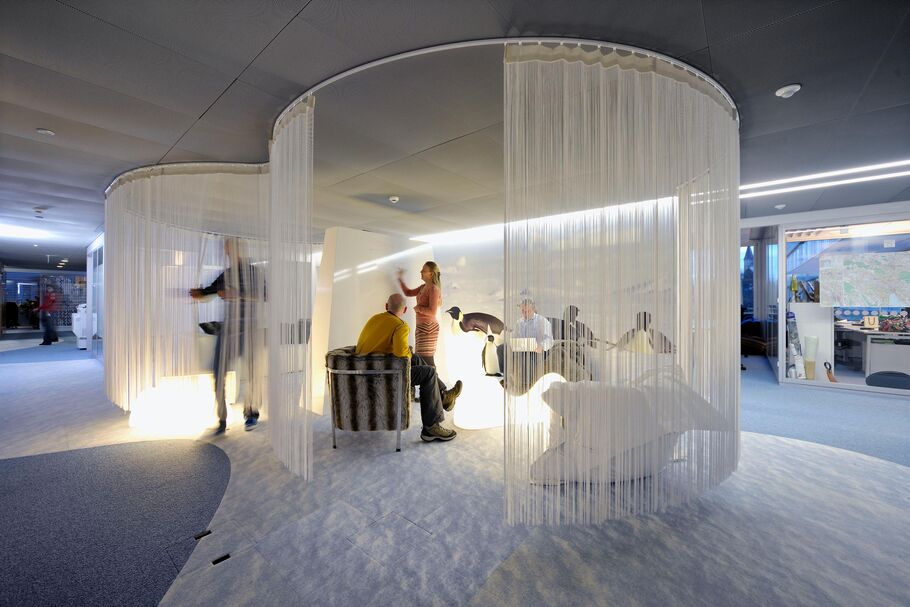
One of the key benefits of coworking spaces is the sense of community they create. Instead of working in isolation, members have the opportunity to connect with others, share ideas, and collaborate on projects. This collaborative spirit often leads to new partnerships, innovative solutions, and personal growth.
Furthermore, coworking spaces are designed to be flexible and adaptable, catering to the diverse needs of modern professionals. Whether you prefer a private office, a dedicated desk, or a hot desk, there is a space that suits your work style. This flexibility allows individuals to work efficiently and comfortably, leading to increased productivity and job satisfaction.
Smart Homes: Enhancing Comfort and Convenience
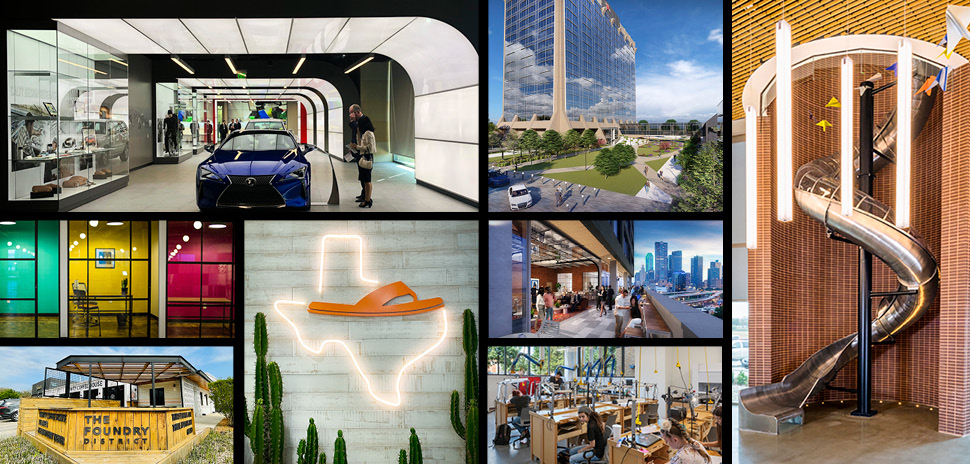
Smart homes are another example of innovative spaces that are transforming the way we live. These technologically advanced residences are equipped with smart devices and systems that can be controlled remotely, making daily tasks more convenient and efficient. From smart thermostats to voice-activated assistants, smart homes offer a level of comfort and convenience that was once unimaginable.
One of the key features of smart homes is their ability to automate routine tasks, such as adjusting the temperature, turning off lights, and locking doors. By using sensors and artificial intelligence, smart homes can learn your preferences and anticipate your needs, creating a personalized and seamless living experience.
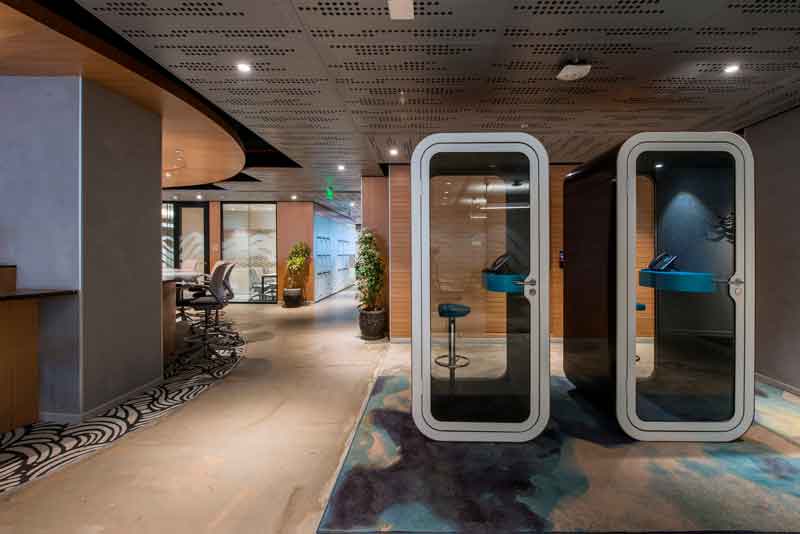
In addition to convenience, smart homes also enhance security and energy efficiency. With features like smart locks, security cameras, and leak detectors, homeowners can monitor their property and protect against potential threats. Furthermore, by optimizing energy usage and reducing waste, smart homes contribute to a more sustainable and eco-friendly lifestyle.
Green Spaces: Connecting People with Nature
Green spaces, such as parks, gardens, and urban forests, play a vital role in promoting health and well-being. These natural environments provide a sanctuary from the hustle and bustle of city life, offering a peaceful retreat where people can relax, exercise, and connect with nature. By incorporating green spaces into urban design, cities can improve the quality of life for their residents and create a more sustainable future.
Research has shown that spending time in green spaces has numerous benefits for physical and mental health. From reducing stress and anxiety to boosting mood and cognitive function, nature has a profound impact on our well-being. By providing access to green spaces, cities can promote a healthier and happier population.
Furthermore, green spaces help to improve air quality, regulate temperature, and support biodiversity. By planting trees, creating green roofs, and implementing sustainable landscaping practices, cities can mitigate the effects of climate change and create a more resilient urban environment. Green spaces also provide habitats for wildlife, promote biodiversity, and preserve natural ecosystems for future generations.
Virtual Reality Spaces: Redefining Experiences and Interactions
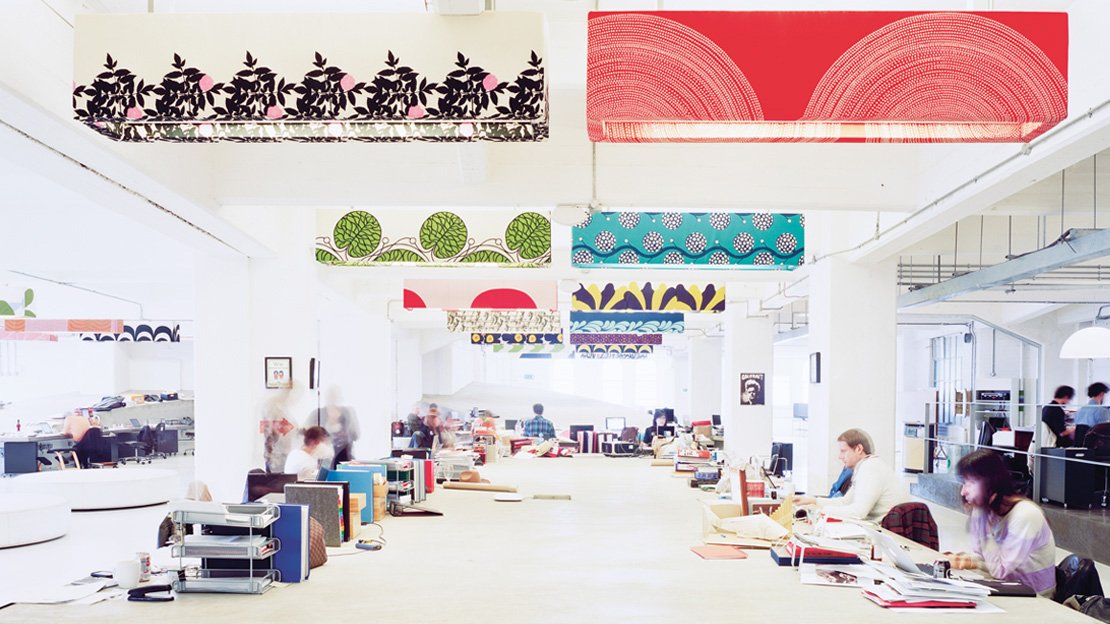
Virtual reality (VR) spaces are pushing the boundaries of innovation by creating immersive and interactive environments that blur the line between the physical and digital worlds. These virtual experiences allow users to explore new worlds, interact with objects, and engage with others in ways that were previously impossible. From gaming and entertainment to education and training, VR spaces are revolutionizing the way we experience and interact with technology.
One of the key benefits of VR spaces is their ability to transport users to different places and time periods, creating unique and unforgettable experiences. Whether you want to explore the depths of the ocean, walk on the surface of Mars, or visit a virtual art gallery, VR spaces offer endless possibilities for exploration and discovery. By combining cutting-edge technology with artistic creativity, VR spaces provide a new form of entertainment and education that is both engaging and immersive.
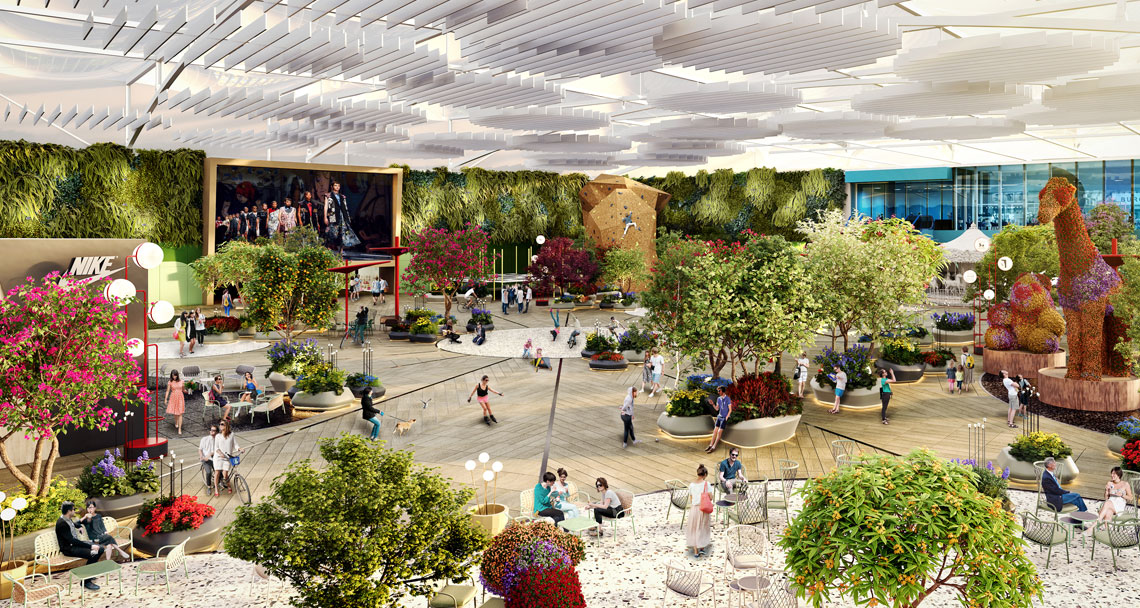
Furthermore, VR spaces have the potential to revolutionize industries such as healthcare, architecture, and design. By simulating complex procedures, creating realistic prototypes, and visualizing architectural plans, VR spaces can enhance collaboration, improve decision-making, and streamline processes in various fields. With the advancement of VR technology, the possibilities for innovation and creativity are endless.
Artificial Intelligence Spaces: Enhancing Efficiency and Personalization
Artificial intelligence (AI) spaces are revolutionizing the way we interact with technology by providing intelligent and personalized experiences that adapt to our needs and preferences. These AI-powered spaces use algorithms, machine learning, and natural language processing to analyze data, make predictions, and automate tasks, creating a more efficient and intuitive user experience. From virtual assistants to smart devices, AI spaces are reshaping the way we work, play, and communicate.
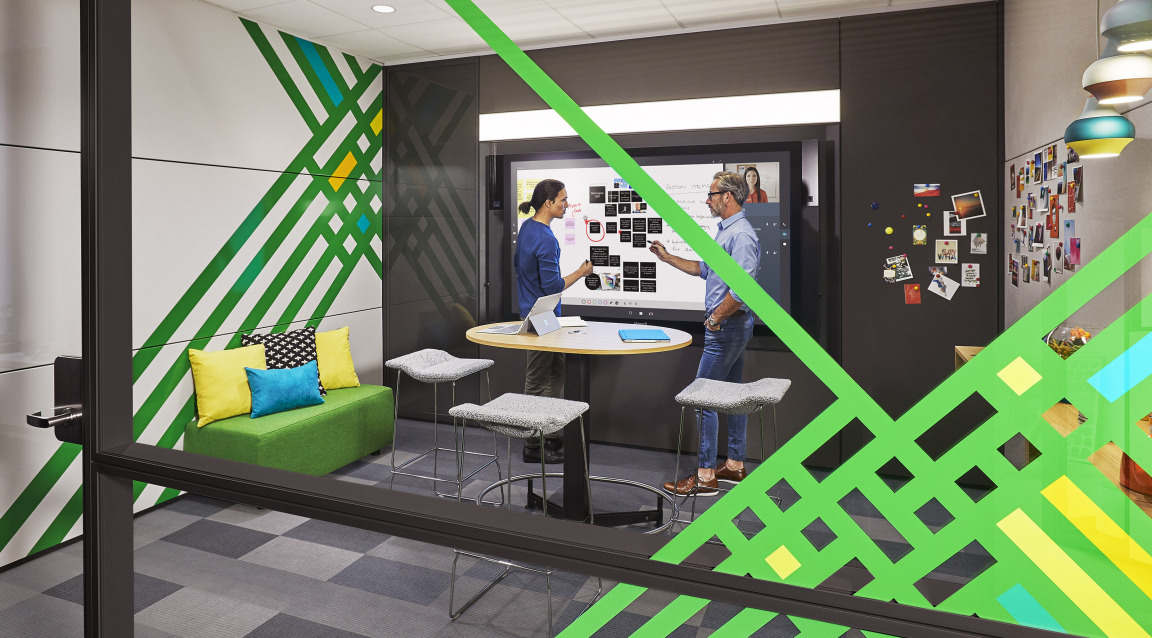
One of the key features of AI spaces is their ability to learn from user interactions and improve over time. By analyzing patterns, recognizing trends, and making recommendations, AI spaces can anticipate your preferences and provide tailored solutions. Whether you are searching for information, organizing your schedule, or controlling your smart home, AI spaces make everyday tasks easier and more convenient.
Furthermore, AI spaces have the potential to transform industries such as healthcare, finance, and retail by automating processes, optimizing workflows, and personalizing customer experiences. By leveraging AI technologies, businesses can improve efficiency, reduce costs, and deliver more personalized products and services to their customers. As AI continues to evolve and advance, the impact of AI spaces on society will only grow stronger.
Collaborative Spaces: Encouraging Communication and Teamwork
Collaborative spaces are designed to facilitate communication, foster teamwork, and encourage creativity among individuals and groups. These shared environments provide a range of tools and resources, such as whiteboards, projectors, and brainstorming areas, that promote collaboration and idea-sharing. By creating a collaborative culture and supportive atmosphere, these spaces empower individuals to work together towards common goals and achieve greater success.
One of the key benefits of collaborative spaces is their ability to break down barriers and facilitate open communication among team members. By providing a comfortable and inclusive environment, collaborative spaces encourage people to share their ideas, ask questions, and provide feedback. This open dialogue often leads to new perspectives, innovative solutions, and stronger relationships among team members.
Furthermore, collaborative spaces help to build a sense of community and belonging among individuals who may come from different backgrounds and disciplines. By creating a shared space where people can collaborate, learn from each other, and support each other’s growth, collaborative spaces foster a culture of inclusivity and diversity. This inclusive environment encourages creativity, stimulates innovation, and promotes a sense of unity among team members.
Flexible Spaces: Adapting to Changing Needs and Trends
Flexible spaces are designed to be versatile, adaptable, and responsive to the changing needs and preferences of individuals and organizations. These dynamic environments can be easily reconfigured, expanded, or modified to accommodate different activities, events, and purposes. By providing a range of options and amenities, flexible spaces offer a customized and user-centric experience that meets the diverse needs of modern users.
One of the key features of flexible spaces is their ability to accommodate various work styles and preferences. Whether you prefer a collaborative open space, a quiet private area, or a dedicated meeting room, flexible spaces can be tailored to suit your needs. This flexibility allows individuals to work efficiently, comfortably, and productively, regardless of their work style or preferences.
Furthermore, flexible spaces can adapt to changing trends, technologies, and market demands, ensuring that they remain relevant and attractive to users. By incorporating innovative design elements, state-of-the-art technology, and sustainable practices, flexible spaces can create a unique and immersive experience for their users. Whether you are looking for a coworking space, a conference venue, or a creative studio, flexible spaces offer a customizable and adaptable solution that meets your needs.
Interactive Spaces: Engaging Users and Encouraging Participation
Interactive spaces are designed to engage users, spark curiosity, and encourage participation through the use of interactive technology and multimedia elements. These dynamic environments offer a range of interactive experiences, such as touchscreens, virtual reality, and augmented reality, that allow users to explore, learn, and interact in new and exciting ways. By creating immersive and engaging experiences, interactive spaces captivate users’ attention and inspire creativity and innovation.
One of the key benefits of interactive spaces is their ability to create memorable and impactful experiences that leave a lasting impression on users. Whether you are visiting a museum, attending a conference, or exploring a retail store, interactive spaces provide a unique and engaging experience that stimulates the senses and fosters emotional connections. This experiential approach often leads to increased brand awareness, customer loyalty, and user satisfaction.
Furthermore, interactive spaces can be used to educate, inform, and entertain users in various settings, such as schools, museums, and public spaces. By combining interactive technology with educational content, storytelling, and gamification, interactive spaces make learning and exploration more engaging and enjoyable. This interactive approach encourages curiosity, stimulates creativity, and promotes active participation among participants of all ages. In educational environments, for example, interactive spaces transform traditional learning into an immersive journey where students can visualize complex concepts, experiment with ideas, and collaborate with others in real time. Museums and galleries, on the other hand, can use interactive installations to bring history, art, and science to life—turning passive observation into active discovery. In retail or corporate environments, these spaces enhance customer engagement by allowing users to interact directly with products or services through digital displays, motion sensors, or augmented reality applications.
Ultimately, interactive spaces redefine how people connect with information and each other. They blur the boundaries between the physical and digital worlds, fostering deeper emotional connections and personal involvement. As technology continues to evolve, the potential for creating even more innovative and responsive interactive environments grows exponentially. By prioritizing engagement, creativity, and participation, interactive spaces not only entertain but also educate, inspire, and empower users to become active contributors in the experience itself—making every interaction meaningful and unforgettable.