
Innovative Green Roofs: Transforming Urban Landscapes
In today’s world, the concept of sustainability is becoming increasingly important. As cities continue to grow and urbanization becomes more prevalent, innovative solutions are needed to combat issues such as air pollution, urban heat islands, and stormwater management. One such solution that is gaining traction is the implementation of green roofs.
1. Vertical Gardens: A Vertical Twist on Green Roofs
Vertical gardens, also known as living walls, are a unique twist on traditional green roofs. These structures are designed to grow plants vertically, allowing for more flexibility in terms of space and design. Vertical gardens not only add a touch of greenery to urban landscapes but also provide numerous environmental benefits.
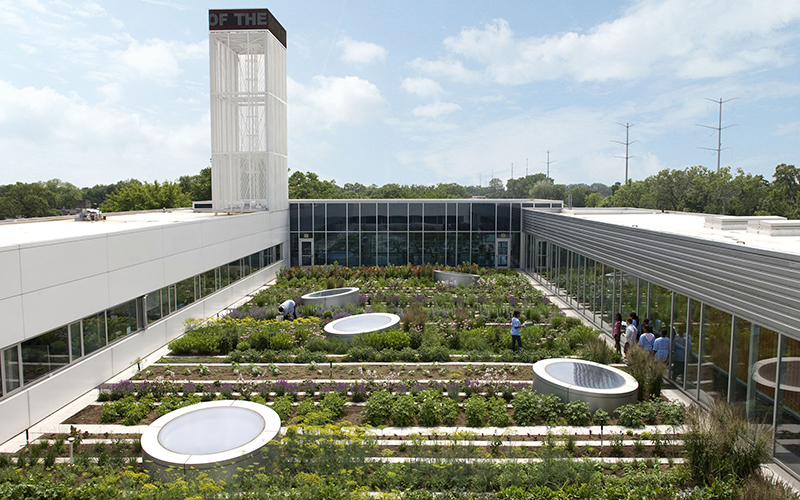
One of the key advantages of vertical gardens is their ability to improve air quality. Plants are natural air purifiers, absorbing carbon dioxide and releasing oxygen. By incorporating vertical gardens into buildings, cities can reduce their carbon footprint and improve overall air quality. Additionally, vertical gardens can help to insulate buildings, reducing energy consumption for heating and cooling.
Overall, vertical gardens are a creative and innovative approach to incorporating greenery into urban spaces. By thinking vertically, cities can maximize their green space and create a more sustainable environment for all.
2. Solar Green Roofs: Harnessing the Power of the Sun

Solar green roofs combine the benefits of green roofs with solar panels, creating a dual-purpose structure that maximizes energy efficiency. By harnessing the power of the sun, these roofs can generate clean, renewable energy while also providing insulation and stormwater management.
One of the key advantages of solar green roofs is their ability to offset energy costs. By generating electricity from the sun, buildings can reduce their reliance on traditional energy sources, ultimately saving money in the long run. Additionally, solar green roofs can help to reduce greenhouse gas emissions, making them a sustainable choice for urban environments.
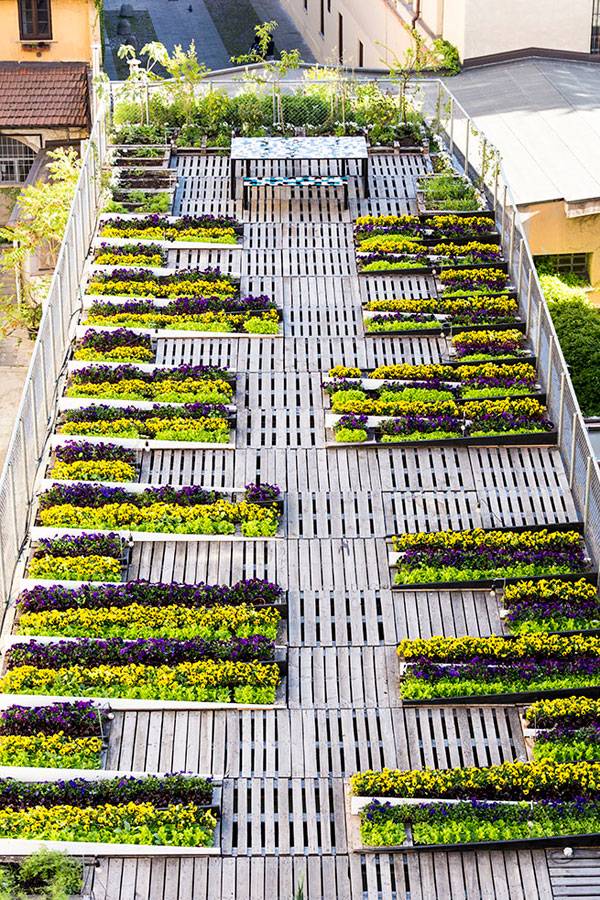
Overall, solar green roofs are a forward-thinking solution that combines sustainability and energy efficiency. By harnessing the power of the sun, cities can reduce their environmental impact and move towards a more sustainable future.
3. Green Roof Farms: Urban Agriculture in the Sky
Green roof farms are a growing trend in urban areas, allowing for the cultivation of crops and plants in the sky. These innovative structures not only provide fresh produce to city residents but also offer numerous environmental benefits, such as improved air quality and stormwater management.
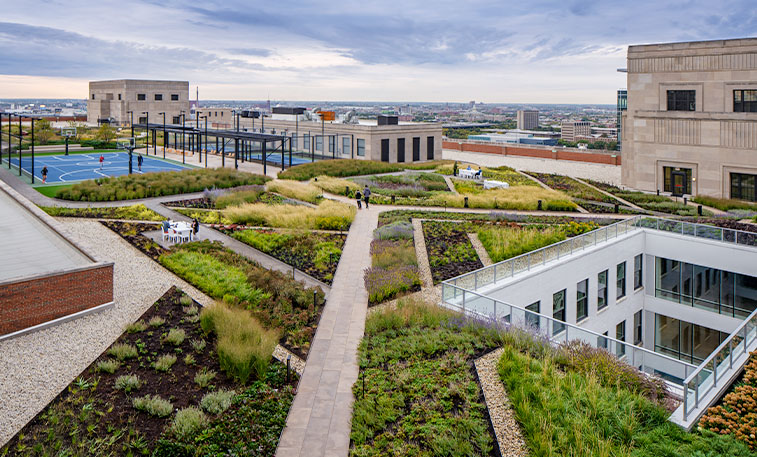
One of the key advantages of green roof farms is their ability to promote urban agriculture. By growing food in the city, residents can have access to fresh, locally grown produce, reducing the need for long-distance transportation and lowering carbon emissions. Additionally, green roof farms can help to reduce the urban heat island effect, creating cooler and more comfortable city environments.
Overall, green roof farms are a creative solution to urban food production and sustainability. By turning rooftops into productive farmland, cities can create a more resilient and self-sufficient food system.
4. Smart Green Roofs: The Future of Green Infrastructure
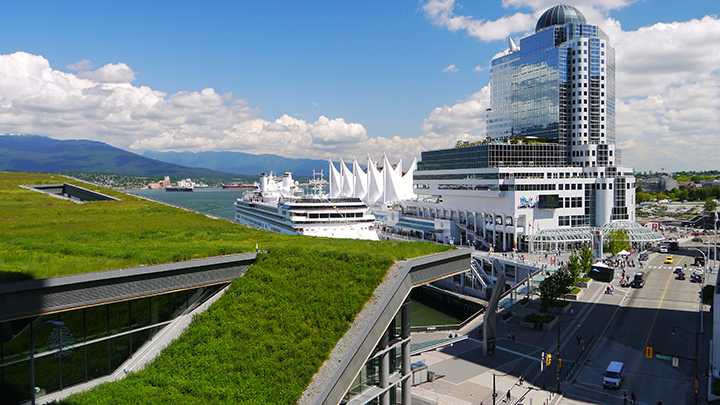
Smart green roofs are a cutting-edge innovation that combines green infrastructure with technology to create more efficient and sustainable urban environments. These roofs are equipped with sensors and monitoring systems that allow for real-time data collection on factors such as temperature, humidity, and plant health.
One of the key advantages of smart green roofs is their ability to optimize water usage. By monitoring weather patterns and plant needs, these roofs can adjust their irrigation systems accordingly, reducing water waste and promoting plant growth. Additionally, smart green roofs can help to mitigate the effects of climate change by providing valuable data on urban heat islands and air quality.

Overall, smart green roofs are a futuristic solution that holds great promise for the future of green infrastructure. By incorporating technology into green roofs, cities can create more resilient and sustainable urban landscapes.
5. Biodiverse Green Roofs: Enhancing Urban Ecosystems
Biodiverse green roofs are designed to mimic natural ecosystems, supporting a wide variety of plant and animal species in urban environments. These roofs are not only aesthetically pleasing but also provide crucial habitat for wildlife, such as pollinators and birds.
One of the key advantages of biodiverse green roofs is their ability to promote biodiversity. By creating habitats for various species, these roofs can help to support local ecosystems and improve overall environmental health. Additionally, biodiverse green roofs can help to reduce the urban heat island effect and provide valuable ecosystem services, such as pollination and pest control.
Overall, biodiverse green roofs are a valuable addition to urban landscapes, providing both ecological and aesthetic benefits. By creating habitats for wildlife, cities can enhance their biodiversity and create more sustainable environments for all.
6. Modular Green Roofs: Flexibility in Design and Installation
Modular green roofs are a versatile solution that offers flexibility in design and installation. These roofs consist of individual modules that can be easily installed and rearranged to create unique green spaces on rooftops. Modular green roofs are ideal for buildings with limited roof space or structural constraints.
One of the key advantages of modular green roofs is their ease of installation. Because these roofs are made up of individual modules, they can be quickly and easily assembled on-site, reducing installation time and costs. Additionally, modular green roofs allow for greater flexibility in design, enabling architects and designers to create custom green spaces that meet the specific needs of a building.
Overall, modular green roofs are a practical and innovative solution for adding greenery to urban landscapes. By offering flexibility in design and installation, these roofs can help to maximize green space in cities and create a more sustainable environment for all.
7. Aeroponic Green Roofs: Growing Plants in the Air
Aeroponic green roofs are a revolutionary approach to growing plants without soil. These roofs use a nutrient-rich mist to deliver water and nutrients directly to the roots of plants, allowing for efficient and sustainable plant growth in urban environments.
One of the key advantages of aeroponic green roofs is their water efficiency. Because plants are grown without soil, water usage is significantly reduced compared to traditional gardening methods. Additionally, aeroponic green roofs can help to improve air quality by filtering pollutants and reducing carbon emissions.
Overall, aeroponic green roofs are a high-tech solution for urban agriculture and sustainability. By growing plants in the air, cities can create more efficient and environmentally friendly green spaces on rooftops.
8. Recycled Green Roofs: Sustainability Through Reuse
Recycled green roofs are a sustainable solution that repurposes materials such as recycled plastic, glass, and rubber to create green spaces on rooftops. These roofs not only divert waste from landfills but also provide valuable insulation and stormwater management benefits.
One of the key advantages of recycled green roofs is their environmental impact. By using recycled materials, these roofs reduce the demand for new resources and lower carbon emissions associated with manufacturing. Additionally, recycled green roofs can help to improve air quality and reduce the urban heat island effect, creating a more sustainable urban environment.
Overall, recycled green roofs are a creative and sustainable solution for adding greenery to urban landscapes. By repurposing materials and reducing waste, cities can create more environmentally friendly and resilient rooftop spaces.
Conclusion
Innovative green roofs are transforming urban landscapes by providing sustainable solutions to environmental challenges. From vertical gardens to solar green roofs, these structures offer a wide range of benefits, including improved air quality, energy efficiency, and urban agriculture. As cities continue to grow and develop, the implementation of innovative green roofs will play a crucial role in creating more sustainable and resilient urban environments for future generations.
FAQs
Q: What are the benefits of green roofs?
A: Green roofs provide numerous environmental benefits, such as improved air quality, energy efficiency, and stormwater management. They also help to reduce the urban heat island effect and create valuable habitat for wildlife.
Q: How do green roofs contribute to sustainability?
A: Green roofs help to reduce the environmental impact of buildings by providing insulation, reducing energy consumption, and promoting biodiversity. They also help to mitigate the effects of climate change and improve overall environmental health in urban areas.
Q: Are green roofs cost-effective?
A: While the initial cost of installing a green roof may be higher than traditional roofing materials, the long-term benefits, such as energy savings and improved air quality, can offset these costs over time. Additionally, green roofs can increase the resale value of a property and reduce maintenance costs in the long run.