
Indoor-Outdoor Living: Connecting with Nature in Your Home
Indoor-outdoor living has become a popular trend in home design, as people seek to create a seamless connection between their living spaces and the great outdoors. This design concept blurs the boundaries between indoor and outdoor spaces, allowing homeowners to enjoy the beauty of nature while still enjoying the comforts of home. Whether you have a small balcony or a sprawling backyard, there are endless ways to incorporate indoor-outdoor living into your home.
Benefits of Indoor-Outdoor Living
There are numerous benefits to incorporating indoor-outdoor living into your home. One of the main advantages is the ability to enjoy the beauty and fresh air of the outdoors without having to leave the comfort of your home. This can be especially beneficial for those who live in urban areas or have limited access to green spaces. Additionally, indoor-outdoor living can help improve your mental and physical well-being, as spending time in nature has been shown to reduce stress and improve overall mood.
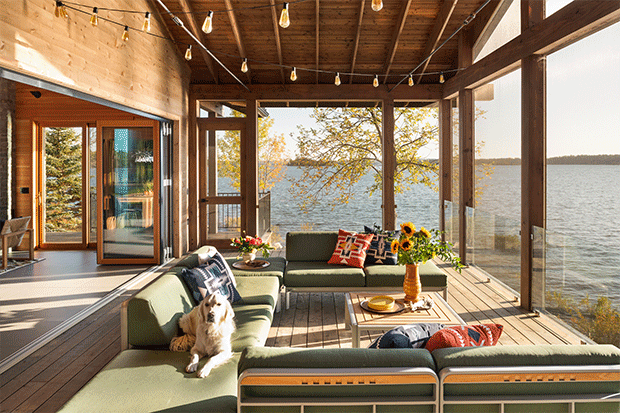
Another benefit of indoor-outdoor living is the increased living space it provides. By extending your living area to the outdoors, you can effectively double the square footage of your home. This can be especially useful for entertaining guests or simply enjoying a quiet morning coffee outside. Indoor-outdoor living also allows for better ventilation and natural light, which can help reduce energy costs and create a more sustainable home environment.
Overall, incorporating indoor-outdoor living into your home can enhance your quality of life and provide a greater connection to the natural world. Whether you choose to create a small outdoor oasis or a large outdoor living space, the possibilities are endless.
Designing Your Indoor-Outdoor Living Space
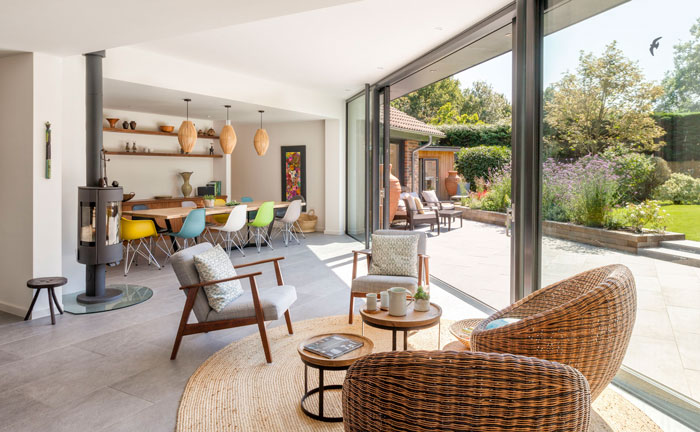
When designing your indoor-outdoor living space, it’s important to consider the layout and flow of your home. One popular design trend is to create a seamless transition between indoor and outdoor spaces by using similar materials and color palettes. For example, using the same flooring material inside and outside can help create a cohesive look that blurs the boundaries between the two spaces.
Another important aspect to consider is the furniture and decor you choose for your indoor-outdoor living space. Opt for durable, weather-resistant materials that can withstand the elements while still being comfortable and stylish. Incorporating plants and greenery into your outdoor space can also help create a more inviting and natural environment.

Additionally, consider adding features such as an outdoor kitchen, fire pit, or water feature to enhance your indoor-outdoor living experience. These elements can help create a functional and enjoyable outdoor space that can be used year-round. Ultimately, the key to designing a successful indoor-outdoor living space is to create a harmonious blend of indoor comfort and outdoor beauty.
Maximizing Small Outdoor Spaces
Even if you have a small outdoor space, there are still plenty of ways to incorporate indoor-outdoor living into your home. One simple way to maximize a small outdoor space is to create a cozy seating area with comfortable chairs and a small table. This can serve as a quiet retreat for enjoying a morning cup of coffee or reading a book in the fresh air.
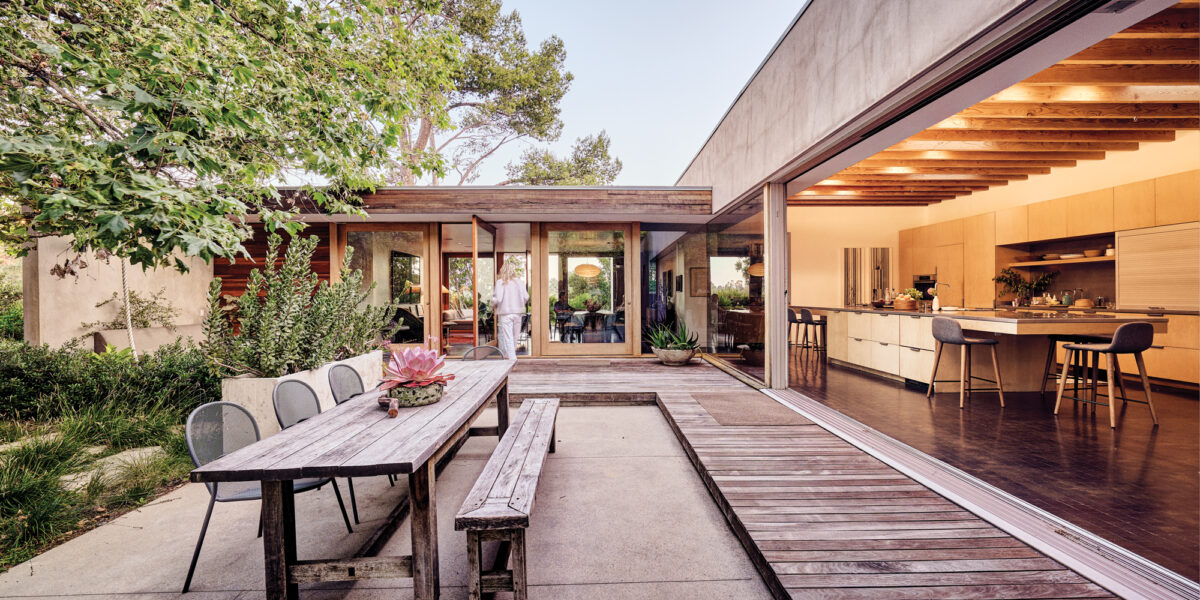
Another option for small outdoor spaces is to create a vertical garden using hanging planters or trellises. This can help add greenery and visual interest to a small outdoor space without taking up valuable floor space. Additionally, consider adding outdoor lighting to create a warm and inviting ambiance in the evenings.
Finally, think about incorporating multifunctional furniture into your small outdoor space, such as a bench with built-in storage or a folding dining table that can be easily tucked away when not in use. By maximizing the functionality of your outdoor space, you can create a comfortable and inviting extension of your indoor living area.
Creating a Relaxing Outdoor Oasis

For those with larger outdoor spaces, creating a relaxing outdoor oasis is a great way to enhance your indoor-outdoor living experience. One popular trend is to create separate rooms in your outdoor space, such as a dining area, lounging area, and outdoor kitchen. This can help create a cohesive and functional outdoor space that can be enjoyed by the whole family.
Consider adding a pergola or awning to provide shade and protection from the elements, allowing you to enjoy your outdoor space year-round. Adding a fire pit or outdoor fireplace can also help create a cozy and inviting atmosphere for evening gatherings or quiet nights under the stars.
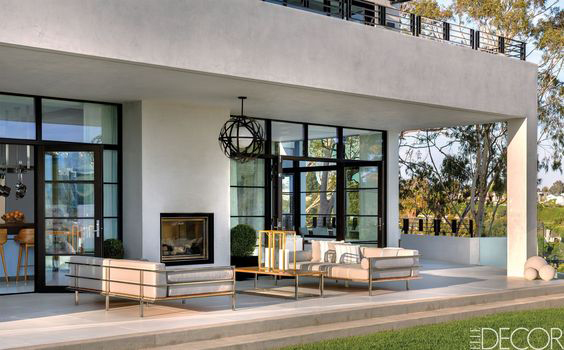
When designing your outdoor oasis, don’t forget to incorporate personal touches such as outdoor rugs, throw pillows, and lanterns to create a warm and welcoming environment. By creating a comfortable and inviting outdoor space, you can truly make the most of your indoor-outdoor living experience.
Indoor-Outdoor Living Tips
There are a few tips to keep in mind when incorporating indoor-outdoor living into your home. First, consider the climate and weather conditions in your area when choosing materials and furniture for your outdoor space. Opt for weather-resistant materials that can withstand sun, rain, and wind to ensure your outdoor space stays looking beautiful for years to come.
Another important tip is to create a seamless transition between indoor and outdoor spaces by using similar color palettes and materials. This can help create a cohesive and harmonious design that blurs the boundaries between the two spaces. Additionally, consider adding elements such as outdoor rugs, throw pillows, and lighting to create a comfortable and inviting outdoor space that feels like an extension of your indoor living area.
Finally, don’t forget to incorporate plants and greenery into your indoor-outdoor living space to create a natural and inviting environment. Whether you have a small balcony or a large backyard, adding plants can help create a sense of tranquility and beauty in your outdoor space. By following these tips, you can create a seamless and enjoyable indoor-outdoor living experience in your home.
Frequently Asked Questions
What are the benefits of indoor-outdoor living?
Indoor-outdoor living can help improve mental and physical well-being, provide additional living space, reduce energy costs, and create a greater connection to nature.
How can I incorporate indoor-outdoor living into a small outdoor space?
To maximize a small outdoor space, consider creating a cozy seating area, adding vertical gardens, incorporating multifunctional furniture, and using outdoor lighting to create ambiance.
What are some design tips for creating a relaxing outdoor oasis?
Consider creating separate rooms in your outdoor space, adding shade and protection from the elements, incorporating personal touches such as rugs and throw pillows, and adding elements such as fire pits or outdoor fireplaces.
Conclusion
Indoor-outdoor living is a popular trend in home design that allows homeowners to connect with nature while still enjoying the comforts of home. By blurring the boundaries between indoor and outdoor spaces, you can create a seamless and enjoyable living experience that enhances your quality of life. Whether you have a small balcony or a sprawling backyard, there are endless ways to incorporate indoor-outdoor living into your home. With the right design elements and a focus on creating a harmonious blend of indoor comfort and outdoor beauty, you can create a truly unique and inviting living space that brings the best of both worlds into your home.