
The Future of Urban Housing: Embracing Sustainable and Innovative Solutions
The future of urban housing is rapidly evolving as cities continue to grow and populations increase. With the rise of technological advancements, environmental concerns, and changing lifestyle preferences, urban housing is undergoing a transformation to meet the needs of future generations. From smart homes to co-living spaces, the future of urban housing is set to be more sustainable, efficient, and innovative than ever before.
Smart Homes: Integrating Technology for a Connected Living Experience
Smart homes are becoming increasingly popular in urban areas, offering residents a convenient and efficient way to control their living environment. From automated lighting and temperature control to security systems and energy management, smart homes are revolutionizing the way we live. In the future, smart homes will continue to evolve with the integration of artificial intelligence, virtual reality, and other advanced technologies to create a truly connected living experience.
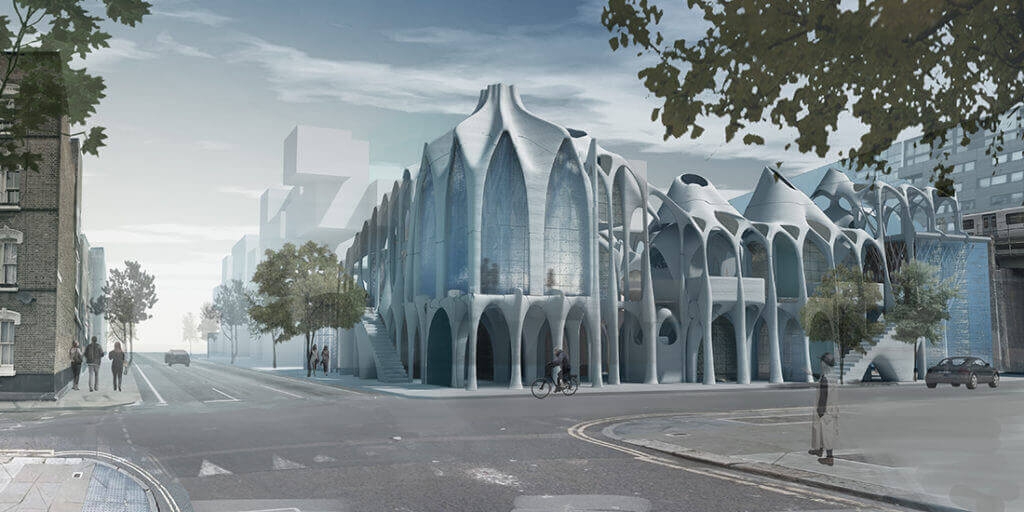
In addition to enhancing convenience and efficiency, smart homes also offer environmental benefits by reducing energy consumption and waste. With the ability to monitor and adjust energy usage in real-time, smart homes can help residents minimize their carbon footprint and contribute to sustainable living practices. As more cities focus on reducing their environmental impact, smart homes will play a crucial role in shaping the future of urban housing.
Furthermore, smart homes promote a sense of community and collaboration among residents through shared resources and interconnected systems. By fostering a collaborative living environment, smart homes can help address social isolation and promote a stronger sense of community in urban areas. As the demand for sustainable and connected living spaces continues to grow, smart homes will be at the forefront of the future of urban housing.
Key Takeaways:
- Smart homes offer a convenient and efficient way to control living environments.
- Smart homes promote sustainable living practices by reducing energy consumption and waste.
- Smart homes foster a sense of community and collaboration among residents.
Co-Living Spaces: Redefining Urban Living for a Shared Future
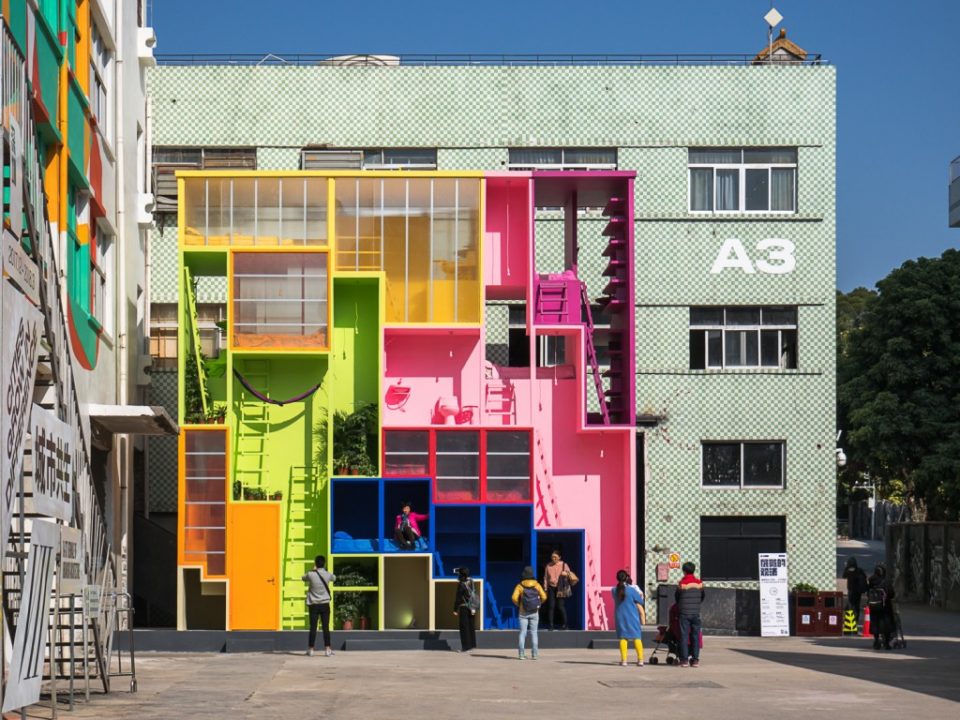
Co-living spaces are emerging as a popular housing option in urban areas, offering residents a unique and collaborative living experience. By sharing living spaces, amenities, and resources with like-minded individuals, co-living spaces promote a sense of community and connection among residents. In the future, co-living spaces will continue to redefine urban living by providing affordable, flexible, and sustainable housing options for a diverse range of residents.
One of the key benefits of co-living spaces is the affordability and flexibility they offer to residents, especially in high-cost urban areas. By sharing living expenses and resources, residents can enjoy the benefits of upscale amenities and services at a fraction of the cost of traditional housing options. This affordability factor makes co-living spaces an attractive option for young professionals, students, and other urban dwellers seeking a more cost-effective housing solution.
In addition to affordability, co-living spaces also promote sustainability through resource sharing and efficient use of space. By designating communal areas for shared use, co-living spaces maximize living space and reduce environmental impact. From shared kitchens and living rooms to co-working spaces and fitness centers, co-living spaces prioritize sustainability and eco-friendly practices to create a more harmonious living environment for residents. As the demand for affordable and sustainable housing options continues to grow, co-living spaces will play a significant role in shaping the future of urban housing.
Key Takeaways:
- Co-living spaces offer affordable and flexible housing options for urban residents.
- Co-living spaces promote sustainability through resource sharing and efficient use of space.
- Co-living spaces foster a sense of community and connection among residents.
Sustainable Architecture: Building a Greener Future for Urban Housing
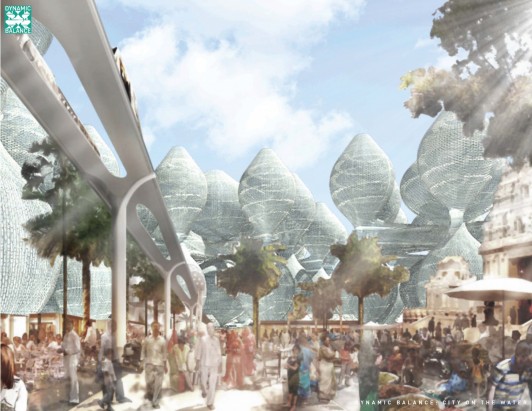
Sustainable architecture is becoming increasingly important in urban housing development, as cities strive to reduce their environmental impact and promote eco-friendly practices. From green building materials and energy-efficient design to passive solar heating and rainwater harvesting systems, sustainable architecture offers a holistic approach to creating environmentally friendly and energy-efficient buildings. In the future, sustainable architecture will continue to play a vital role in shaping the future of urban housing by prioritizing green building practices and promoting sustainable living environments.
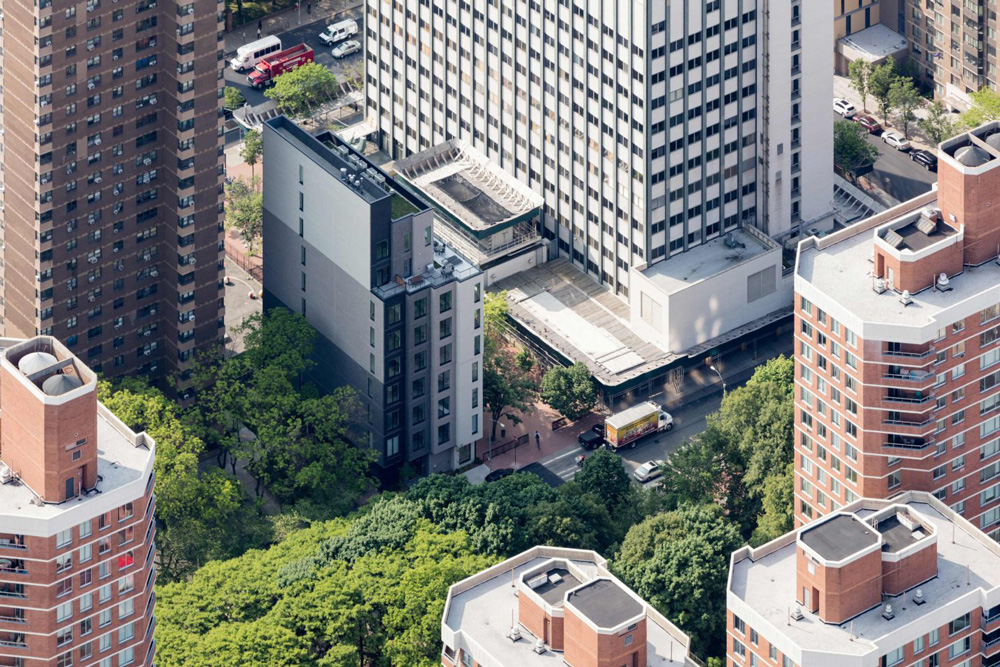
One of the key benefits of sustainable architecture is its focus on reducing energy consumption and carbon emissions in buildings. By incorporating energy-efficient design principles, such as natural ventilation, insulation, and solar panels, sustainable buildings can significantly reduce their energy usage and environmental footprint. This focus on energy efficiency not only benefits the environment but also helps residents save on energy costs and live more comfortably in their homes.
In addition to energy efficiency, sustainable architecture also prioritizes the use of environmentally friendly materials and construction practices to minimize waste and promote recycling. From recycled building materials and non-toxic finishes to green roofs and passive design strategies, sustainable buildings are designed to minimize their impact on the environment throughout their lifecycle. By incorporating sustainable architecture principles into urban housing development, cities can create healthier, more resilient, and more sustainable living environments for residents. As the demand for eco-friendly and energy-efficient housing options continues to grow, sustainable architecture will play a crucial role in shaping the future of urban housing.
Key Takeaways:
- Sustainable architecture prioritizes energy-efficient design and green building practices.
- Sustainable buildings reduce energy consumption and carbon emissions, benefiting both the environment and residents.
- Sustainable architecture promotes the use of environmentally friendly materials and construction practices to minimize waste and promote recycling.
Vertical Living: Maximizing Space and Efficiency in Urban Environments
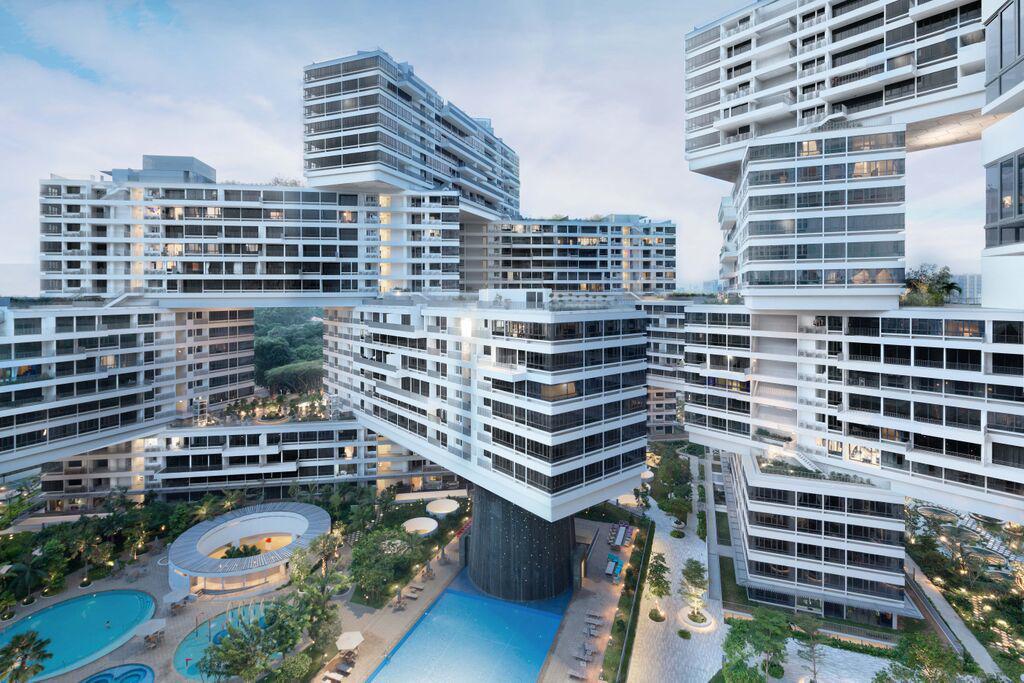
Vertical living is becoming increasingly popular in urban areas as cities continue to grow and land becomes scarce. By building upwards rather than outwards, vertical living offers a solution to the challenges of urban density and population growth. From high-rise apartment buildings and mixed-use developments to vertical gardens and rooftop terraces, vertical living maximizes space and efficiency in urban environments. In the future, vertical living will play a key role in shaping the future of urban housing by creating innovative and sustainable living solutions for residents.
One of the key benefits of vertical living is its ability to maximize space and density in urban areas, allowing cities to accommodate a growing population without sacrificing valuable land resources. By building vertically, developers can create more housing units, commercial spaces, and amenities in a smaller footprint, making efficient use of limited space in urban environments. This increased density not only reduces urban sprawl and traffic congestion but also promotes a more walkable, connected, and vibrant urban community for residents.
In addition to maximizing space, vertical living also offers environmental benefits by reducing energy consumption and carbon emissions associated with transportation and building operations. By locating housing, businesses, and amenities in close proximity, vertical living encourages residents to walk, bike, or use public transportation, reducing the need for cars and promoting sustainable transportation options. Furthermore, green building techniques, such as green roofs, solar panels, and energy-efficient design, can help minimize energy usage and promote eco-friendly practices in vertical living developments. As cities continue to grapple with the challenges of urban growth and sustainability, vertical living will be a key solution in creating more livable, efficient, and sustainable urban environments for future generations.
Key Takeaways:
- Vertical living maximizes space and density in urban areas, allowing cities to accommodate a growing population.
- Vertical living reduces energy consumption and carbon emissions by promoting sustainable transportation options and green building practices.
- Vertical living creates more walkable, connected, and vibrant urban communities for residents.
Modular Construction: Revolutionizing the Way We Build Urban Housing
Modular construction is revolutionizing the way we build urban housing by offering a faster, more cost-effective, and sustainable alternative to traditional construction methods. By prefabricating building components in a factory setting and assembling them on-site, modular construction streamlines the building process and reduces construction time and costs. From modular apartments and tiny homes to prefabricated skyscrapers and affordable housing units, modular construction is reshaping the future of urban housing by providing innovative, customizable, and efficient building solutions for developers and residents.
One of the key benefits of modular construction is its efficiency and speed in delivering high-quality, customizable housing solutions in a fraction of the time of traditional construction methods. By prefabricating building components off-site, developers can significantly reduce construction time and costs, while also minimizing waste and environmental impact. This streamlined building process allows for greater flexibility and customization in design, as well as faster occupancy and return on investment for developers. As cities grapple with housing shortages, rising construction costs, and environmental concerns, modular construction offers a sustainable and efficient solution to meeting the growing demand for urban housing.
In addition to efficiency, modular construction also promotes sustainability by using recycled materials, energy-efficient design, and green building practices to minimize waste and reduce environmental impact. By incorporating sustainable building techniques, such as passive design, solar panels, and rainwater harvesting systems, modular construction can create eco-friendly and energy-efficient buildings that benefit both residents and the environment. Furthermore, the high-quality, durable construction of modular buildings ensures longevity and resilience, making them a sustainable and cost-effective housing solution for urban areas. As the demand for innovative, customizable, and efficient housing options continues to grow, modular construction will play a crucial role in shaping the future of urban housing.
Key Takeaways:
- Modular construction offers a faster, more cost-effective, and sustainable alternative to traditional construction methods.
- Modular construction streamlines the building process, reduces construction time and costs, and minimizes waste and environmental impact.
- Modular construction promotes sustainability by using recycled materials, energy-efficient design, and green building practices to create eco-friendly and energy-efficient buildings.
Micro Apartments: Embracing Minimalist Living in Urban Environments
Micro apartments are gaining popularity in urban areas as cities seek to provide affordable, efficient, and sustainable housing options for residents. By offering compact living spaces that maximize functionality and flexibility, micro apartments allow residents to live comfortably in a smaller footprint while reducing their environmental impact. From modular furniture and space-saving design to shared amenities and communal spaces, micro apartments are redefining urban living by embracing minimalism, efficiency, and community. These compact homes are designed to make the most of every square meter, combining intelligent design solutions with modern aesthetics to create functional and comfortable spaces that meet the needs of city dwellers.
One of the defining features of micro apartments is their focus on multi-functional design. Furniture such as fold-out beds, extendable tables, and hidden storage units allow residents to transform their space according to their daily activities. Open-plan layouts, large windows, and smart lighting are often used to make these small spaces feel airy and spacious. Additionally, many micro apartment developments include shared amenities—such as co-working areas, gyms, rooftop gardens, and communal kitchens—that extend the living experience beyond the individual unit and foster a sense of community among residents.
Beyond design, micro apartments promote sustainable and affordable urban living. By occupying smaller spaces, residents naturally consume less energy for heating, cooling, and lighting. The use of sustainable materials, energy-efficient appliances, and water-saving fixtures further reduces the ecological footprint. Developers also benefit from reduced land and construction costs, making micro apartments an appealing option in high-demand urban markets.
Furthermore, micro apartments align with the growing trend of minimalist and flexible lifestyles. For young professionals, digital nomads, and eco-conscious individuals, living with less means greater mobility, reduced expenses, and a simpler, more intentional way of life. With rising property prices and shrinking urban space, micro apartments represent a practical and sustainable response to modern housing challenges.
In essence, micro apartments are not just about living smaller—they’re about living smarter. By combining innovative design, sustainable practices, and a sense of community, these compact homes offer an efficient, affordable, and stylish solution for the evolving needs of urban residents. As cities continue to grow denser and more dynamic, micro apartments will play a key role in shaping the future of urban living—one that values simplicity, sustainability, and connection.