
Energy-Efficient Living Spaces: Creating a Sustainable and Eco-Friendly Home
As we become more conscious of our impact on the environment, many homeowners are looking for ways to reduce their carbon footprint and live a more sustainable lifestyle. One way to achieve this is by creating energy-efficient living spaces. By making simple changes to your home, you can significantly reduce your energy consumption, lower your utility bills, and decrease your overall environmental impact.
1. Energy-Efficient Lighting
One of the easiest ways to make your living space more energy-efficient is by switching to LED light bulbs. LED bulbs use up to 80% less energy than traditional incandescent bulbs and last significantly longer. Additionally, consider installing motion sensor lights in rooms that are not frequently used to ensure that lights are only on when needed. This simple switch can lead to significant energy savings over time.

Another option to consider is installing skylights or larger windows to allow natural light to illuminate your home during the day. This can help reduce the need for artificial lighting and create a brighter, more inviting living space.
Lastly, consider investing in smart lighting systems that allow you to control your lights remotely and set schedules for when lights should be on or off. This can help further reduce energy waste and make your home more efficient.
2. Energy-Efficient Appliances

Upgrading to energy-efficient appliances is another great way to make your living space more sustainable. Look for appliances with the ENERGY STAR label, which indicates that they meet strict energy efficiency guidelines set by the Environmental Protection Agency. These appliances use less energy and water, saving you money on your utility bills while reducing your environmental impact.
When shopping for new appliances, consider the size of the appliance and your household’s needs. Purchasing a smaller, more energy-efficient appliance that meets your needs can help reduce energy consumption and save you money in the long run.
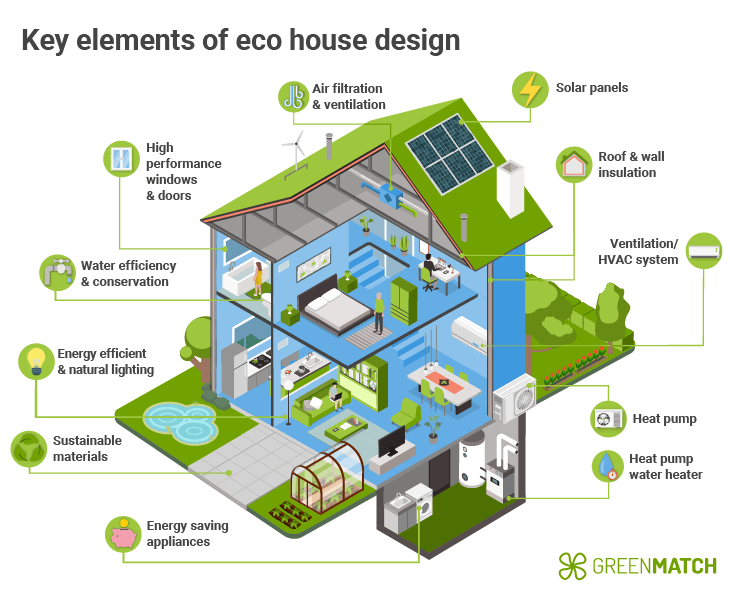
Additionally, be mindful of how you use your appliances. For example, only run your dishwasher and washing machine when they are full, and use the energy-saving settings on your appliances whenever possible. These small changes can add up to significant energy savings over time.
3. Energy-Efficient Heating and Cooling
Heating and cooling account for a significant portion of a home’s energy consumption. To make your living space more energy-efficient, consider upgrading to a programmable thermostat. This allows you to set temperatures based on your schedule, ensuring that your heating and cooling systems are not running when they are not needed.
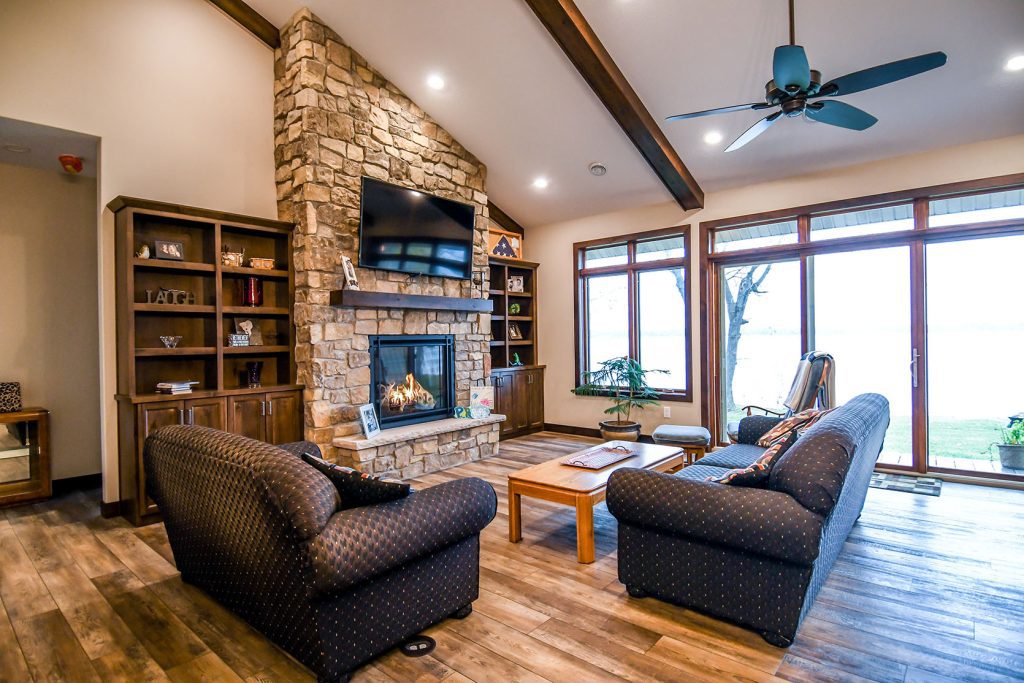
Another option to consider is installing a high-efficiency HVAC system. These systems use less energy to heat and cool your home, leading to lower utility bills and reduced energy consumption. Additionally, be sure to regularly clean and maintain your HVAC system to keep it running efficiently and extend its lifespan.
Finally, consider improving your home’s insulation to prevent heat loss in the winter and keep cool air in during the summer. Proper insulation can significantly reduce your heating and cooling costs and make your living space more comfortable year-round.
4. Energy-Efficient Windows and Doors
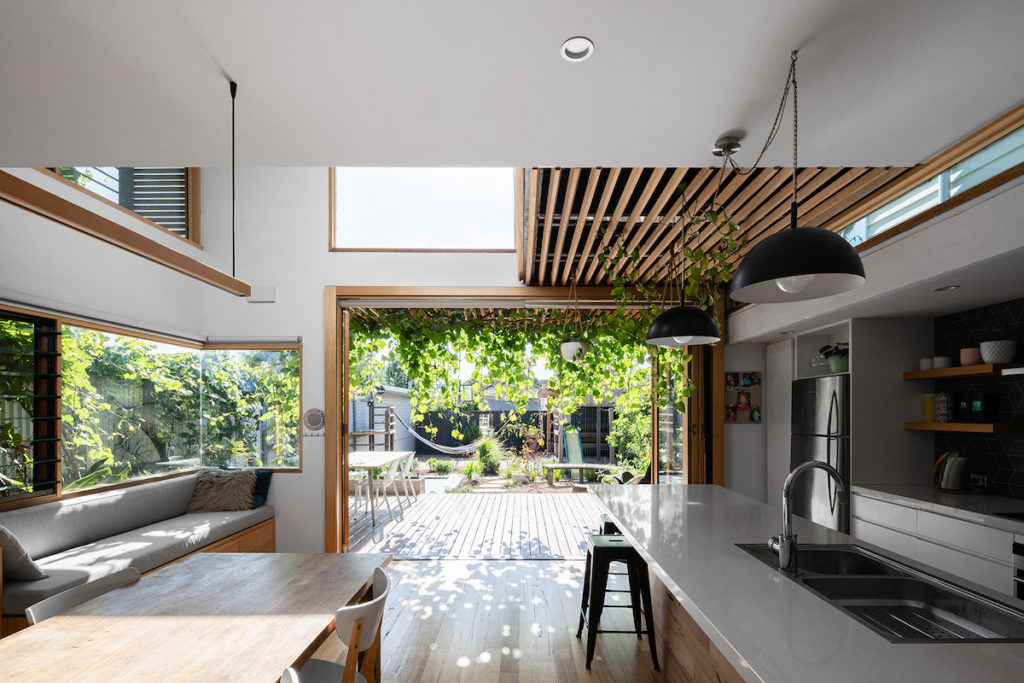
Old, drafty windows and doors can lead to significant energy loss in your home. Consider upgrading to energy-efficient windows and doors to improve insulation and reduce energy consumption. Look for windows and doors with low-emissivity coatings and multiple panes of glass to improve energy efficiency and keep your home comfortable year-round.
Another option to consider is installing weather stripping around windows and doors to prevent drafts and air leaks. This simple upgrade can significantly reduce your heating and cooling costs and make your living space more comfortable.

Lastly, consider installing window treatments such as curtains or blinds to help regulate the temperature in your home. In the winter, open curtains during the day to let in sunlight and close them at night to retain heat. In the summer, keep curtains closed during the day to block out heat from the sun.
5. Energy-Efficient Water Usage
Reducing water consumption is another important aspect of creating an energy-efficient living space. Consider installing low-flow fixtures in your kitchen and bathrooms to reduce water usage without sacrificing performance. Low-flow showerheads, faucets, and toilets can significantly reduce your water consumption and lower your utility bills.
Additionally, be mindful of how you use water in your home. Fix leaky faucets and pipes promptly, and only run your dishwasher and washing machine when they are full. Consider collecting rainwater for outdoor use or installing a greywater system to reuse water from sinks and showers for irrigation.
Finally, consider upgrading to a tankless water heater, which heats water on demand and eliminates the need for a large, energy-consuming storage tank. Tankless water heaters are more energy-efficient than traditional tank heaters and can help reduce your energy consumption and utility bills.
6. Energy-Efficient Home Design
When designing or renovating your home, consider incorporating energy-efficient features into your plans. For example, orienting your home to take advantage of natural light and ventilation can reduce your reliance on artificial lighting and air conditioning. Additionally, consider using sustainable materials such as bamboo flooring, reclaimed wood, and low-VOC paints to create a healthier living environment.
Another option to consider is installing a green roof or rooftop garden to improve insulation, reduce stormwater runoff, and create a more sustainable living space. Green roofs can help reduce energy consumption, lower cooling costs, and provide a habitat for birds and insects.
Lastly, consider incorporating passive solar design techniques into your home, such as strategically placing windows and shading devices to maximize natural light and heat in the winter and minimize heat gain in the summer. Passive solar design can significantly reduce your heating and cooling costs and make your home more comfortable year-round.
7. Energy-Efficient Landscaping
Your outdoor space can also play a role in creating an energy-efficient living environment. Consider planting trees and shrubs around your home to provide shade in the summer and windbreaks in the winter. This can help reduce your heating and cooling costs and make your living space more comfortable year-round.
Additionally, consider installing a rain garden or permeable pavement to help manage stormwater runoff and reduce water pollution. Rain gardens can help filter and absorb rainwater, reducing the strain on municipal sewer systems and preventing flooding in your yard.
Finally, consider installing solar panels or a small wind turbine to generate renewable energy for your home. These green energy sources can help reduce your reliance on traditional power sources and lower your utility bills while reducing your environmental impact.
8. Energy-Efficient Lifestyle Choices
Creating an energy-efficient living space goes beyond the physical features of your home. It also involves making sustainable lifestyle choices that reduce your energy consumption and environmental impact. Consider adopting energy-saving habits such as turning off lights and electronics when not in use, using public transportation or carpooling instead of driving alone, and reducing your water usage by taking shorter showers and fixing leaks promptly.
Additionally, consider reducing your reliance on single-use plastics and opting for reusable products whenever possible. This can help reduce waste and lower your carbon footprint while creating a more sustainable living environment.
By making simple changes to your home and lifestyle, you can create an energy-efficient living space that is both environmentally friendly and cost-effective. Whether you’re considering upgrading your appliances, improving insulation, or incorporating sustainable design features, there are plenty of ways to make your home more efficient and sustainable. By taking small steps towards energy efficiency, you can reduce your environmental impact while creating a comfortable and eco-friendly living space for you and your family.
Conclusion
Creating an energy-efficient living space is an important step towards reducing your carbon footprint and living a more sustainable lifestyle. By making simple changes to your home, such as upgrading to energy-efficient appliances, improving insulation, and incorporating sustainable design features, you can significantly reduce your energy consumption and lower your utility bills. Additionally, by adopting energy-saving habits and making sustainable lifestyle choices, you can further reduce your environmental impact and create a healthier living environment for you and your family. With a focus on energy efficiency and sustainability, you can create a comfortable and eco-friendly home that benefits both you and the planet.
FAQs
Q: What are some easy ways to make my living space more energy-efficient?
A: Some easy ways to make your living space more energy-efficient include switching to LED light bulbs, upgrading to energy-efficient appliances, installing a programmable thermostat, and improving insulation.
Q: How can I reduce water consumption in my home?
A: You can reduce water consumption in your home by installing low-flow fixtures, fixing leaks promptly, and collecting rainwater for outdoor use. Additionally, consider upgrading to a tankless water heater to reduce energy consumption and lower your utility bills.
Q: What are some sustainable design features I can incorporate into my home?
A: Some sustainable design features you can incorporate into your home include orienting your home to take advantage of natural light and ventilation, using sustainable materials such as bamboo flooring, and installing a green roof or rooftop garden.