
Exploring Biophilic Design Trends in 2021: Bringing Nature Indoors
As the world becomes increasingly urbanized and technology-driven, there is a growing desire to reconnect with nature. Biophilic design, which incorporates elements of nature into the built environment, has gained popularity in recent years. In 2021, we are seeing several exciting trends in biophilic design that are shaping the way we interact with our surroundings. From green walls to natural materials, these trends are not only aesthetically pleasing but also have numerous benefits for our health and well-being.
1. Biophilic Architecture
One of the most prominent trends in biophilic design is the incorporation of nature into architectural elements. This can include features such as living walls, green roofs, and large windows that provide views of the outdoors. By bringing nature into the built environment, architects and designers are able to create spaces that are not only visually appealing but also promote a sense of well-being and connection to the natural world.

Biophilic architecture has been shown to have numerous benefits, including improved air quality, increased productivity, and reduced stress levels. In 2021, we are seeing a greater emphasis on incorporating biophilic elements into new construction projects, as well as retrofitting existing buildings to include more natural features.
Whether it’s a commercial office building or a residential home, biophilic architecture is becoming increasingly popular as people seek to create spaces that support their health and well-being. As we continue to prioritize sustainability and environmental stewardship, biophilic design is likely to play a key role in shaping the future of architecture and design.
2. Natural Materials
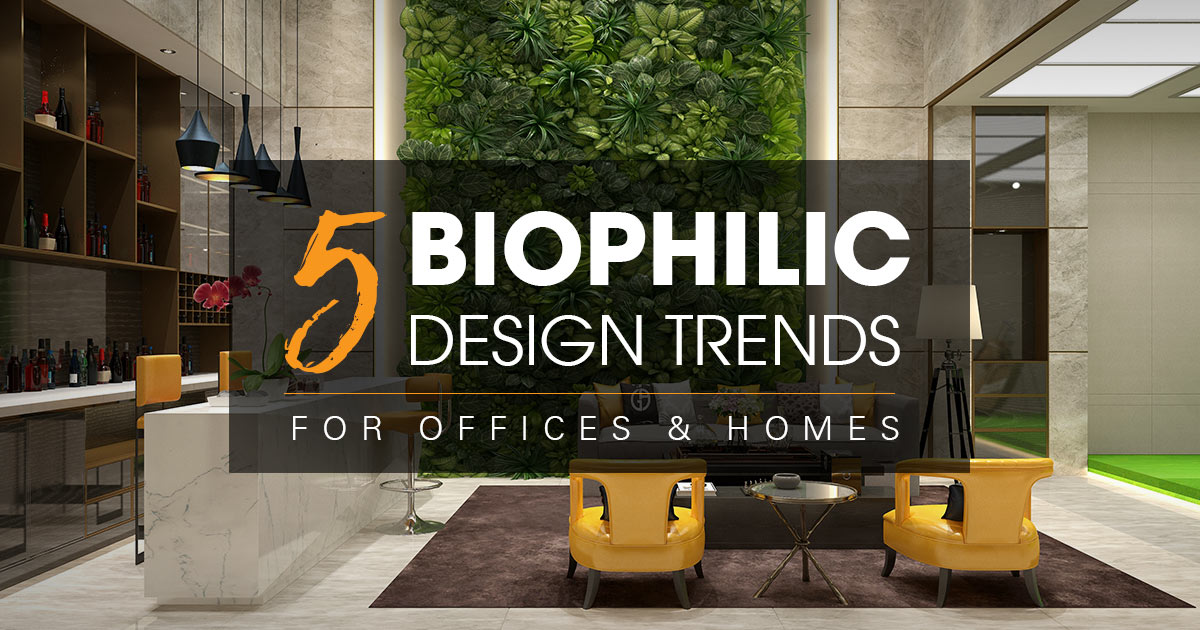
Another key trend in biophilic design for 2021 is the use of natural materials in interior spaces. From wood and stone to bamboo and cork, incorporating natural materials into the built environment helps to create a sense of warmth and connection to the natural world. In addition to their aesthetic appeal, natural materials also have numerous environmental benefits, as they are renewable, biodegradable, and often have lower carbon footprints than synthetic materials.
Designers are increasingly looking for ways to incorporate natural materials into their projects, whether it’s through flooring, furniture, or finishes. In 2021, we are seeing a resurgence of interest in traditional craftsmanship and artisanal techniques, as people seek to create spaces that are unique, timeless, and connected to the natural world.
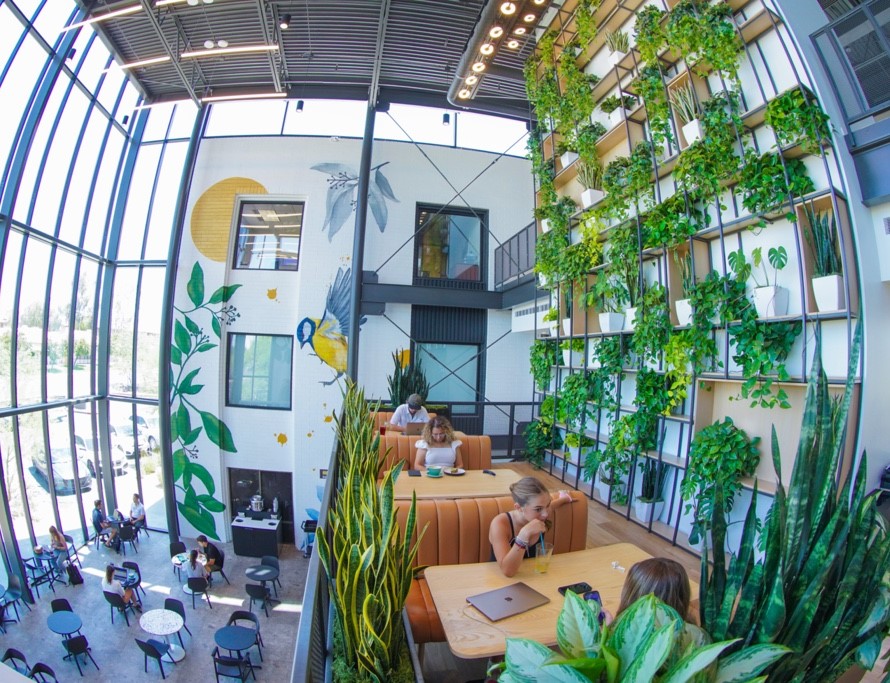
By choosing natural materials, designers can create spaces that not only look beautiful but also support the health and well-being of their occupants. Whether it’s a cozy residential living room or a sleek commercial office space, the use of natural materials is a key trend in biophilic design for 2021.
3. Biophilic Lighting
Lighting plays a crucial role in biophilic design, as it can help to simulate the natural rhythms of daylight and create a connection to the outdoors. In 2021, we are seeing a growing emphasis on biophilic lighting solutions that mimic the changing patterns of natural light, such as circadian lighting systems and dynamic LED fixtures.

By incorporating biophilic lighting into interior spaces, designers can create environments that are not only visually pleasing but also support our natural biorhythms. This can have numerous benefits for our health and well-being, including improved sleep quality, increased productivity, and reduced stress levels.
Biophilic lighting solutions are becoming increasingly sophisticated, with designers exploring new technologies and approaches to create lighting environments that are both functional and beautiful. From residential homes to commercial office spaces, biophilic lighting is a key trend in 2021 that is shaping the way we experience our built environment.
4. Indoor Plants and Greenery
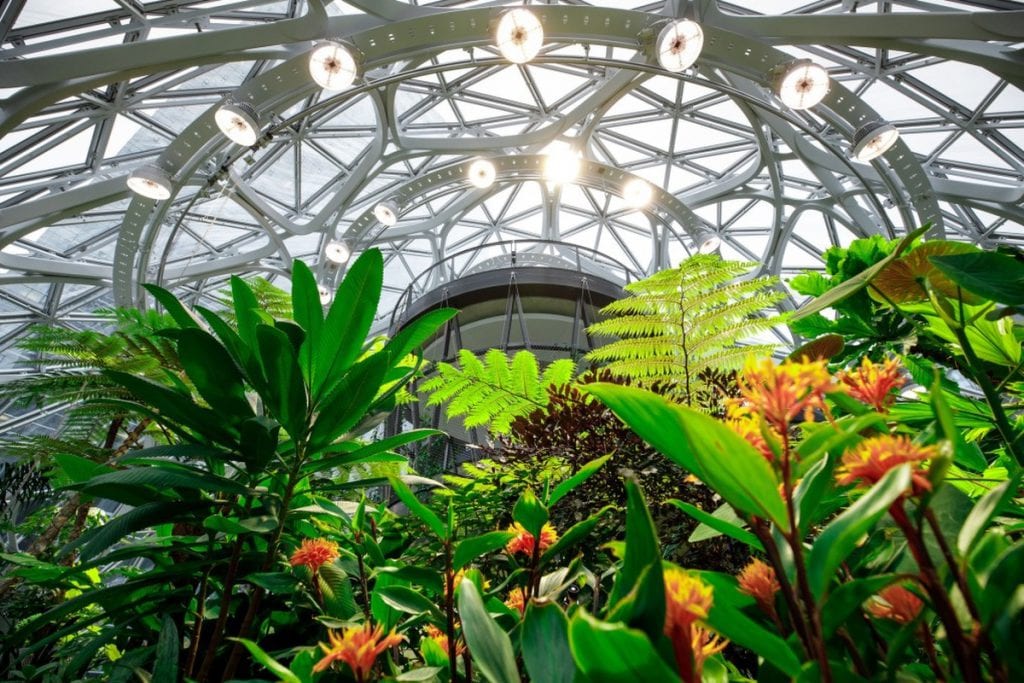
One of the most classic elements of biophilic design is the use of indoor plants and greenery to bring nature indoors. In 2021, we are seeing a resurgence of interest in incorporating plants into interior spaces, from small succulents on desks to large statement plants in atriums and lobbies.
Indoor plants not only add a touch of greenery and color to our spaces but also have numerous health benefits, including improving air quality, reducing stress, and boosting mood and productivity. In recent years, there has been a growing body of research supporting the positive effects of plants on our health and well-being, leading to a greater emphasis on incorporating greenery into our built environments.
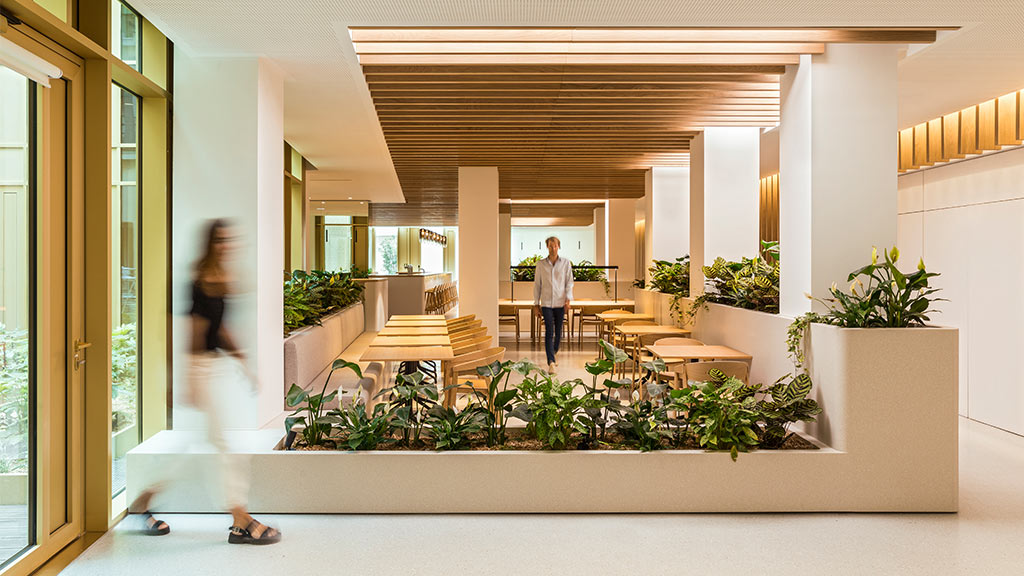
Whether it’s a residential apartment or a corporate office, indoor plants and greenery are a key trend in biophilic design for 2021. By bringing nature indoors, designers can create spaces that feel alive, vibrant, and connected to the natural world.
5. Water Features
Water features have long been a popular element in biophilic design, as they help to create a sense of tranquility and connection to the natural world. In 2021, we are seeing a growing interest in incorporating water features into interior spaces, from small fountains and ponds to larger installations such as water walls and cascading streams.
Water features not only add a visual and auditory element to our spaces but also have numerous health benefits, including reducing stress, improving air quality, and promoting relaxation. By incorporating water features into our built environments, designers can create spaces that feel calming, rejuvenating, and connected to the natural world.
Whether it’s a residential courtyard or a commercial lobby, water features are a key trend in biophilic design for 2021. By adding a touch of nature’s element to our spaces, designers can create environments that promote health, well-being, and a sense of tranquility.
6. Biophilic Color Palettes
Color plays a crucial role in biophilic design, as it can help to evoke the natural world and create a sense of harmony and balance in our spaces. In 2021, we are seeing a trend towards incorporating biophilic color palettes that are inspired by the hues of nature, such as earth tones, greens, blues, and browns.
By using natural and organic colors in interior spaces, designers can create environments that feel calm, soothing, and connected to the outdoors. Biophilic color palettes can help to create a sense of continuity and flow in our spaces, encouraging relaxation and a connection to the natural world.
Whether it’s through paint, textiles, or finishes, biophilic color palettes are a key trend in 2021 that is shaping the way we experience our built environment. By choosing colors that are inspired by nature, designers can create spaces that are not only beautiful but also promote health, well-being, and a sense of connection to the natural world.
7. Nature-Inspired Patterns and Textures
In addition to color, patterns and textures can also play a key role in biophilic design, as they can help to evoke the feeling of being surrounded by nature. In 2021, we are seeing a trend towards incorporating nature-inspired patterns and textures into interior spaces, such as botanical prints, organic shapes, and natural materials.
By using patterns and textures that are inspired by the natural world, designers can create environments that feel inviting, comforting, and harmonious. These elements can help to create a sense of depth and interest in our spaces, evoking the beauty and complexity of the natural world.
Whether it’s through wallpaper, textiles, or furnishings, nature-inspired patterns and textures are a key trend in biophilic design for 2021. By incorporating elements that mimic the patterns and textures of nature, designers can create spaces that feel alive, dynamic, and connected to the outdoors.
8. Biophilic Integration in Urban Environments
As our cities continue to grow and expand, there is a growing need to integrate biophilic design principles into urban environments. In 2021, we are seeing a trend towards incorporating biophilic elements into public spaces, such as parks, plazas, and streetscapes, to create environments that are not only functional but also support our health and well-being.
By bringing nature into urban settings, designers can create spaces that feel more inviting, vibrant, and connected to the natural world. This can have numerous benefits for city dwellers, including improved air quality, increased physical activity, and reduced stress levels.
Whether it’s through green infrastructure, urban forests, or public art installations, biophilic integration in urban environments is a key trend in 2021 that is shaping the way we experience our cities. By creating spaces that prioritize nature and sustainability, designers can help to create cities that are not only livable but also thriving and resilient.
Conclusion
In conclusion, biophilic design trends in 2021 are shaping the way we interact with our built environment, bringing nature indoors and creating spaces that support our health and well-being. From biophilic architecture to natural materials, indoor plants, and water features, these trends are not only aesthetically pleasing but also have numerous benefits for our physical and mental health.
As we continue to prioritize sustainability and environmental stewardship, biophilic design is likely to play an increasingly important role in shaping the future of architecture and design. By incorporating elements of nature into our built environments, designers can create spaces that feel vibrant, alive, and connected to the natural world, promoting a sense of tranquility, well-being, and harmony.
FAQs
-
What exactly is biophilic design?
Biophilic design is an architectural and interior design approach that integrates natural elements like plants, sunlight, water, and organic materials into built environments. Its goal is to strengthen our connection to nature, improving well-being, creativity, and productivity in the spaces where we live and work.
-
Why is biophilic design becoming so popular?
With more people spending time indoors, there’s a growing desire to reconnect with nature. Biophilic design not only enhances visual appeal but also has proven health benefits, such as reducing stress, improving air quality, and increasing focus. Its blend of sustainability and aesthetics makes it a leading trend in modern architecture.
-
How can I incorporate biophilic design into my home?
Start small by adding indoor plants, natural materials (like wood or stone), and maximizing natural light. You can also use nature-inspired colors and textures, install water features like mini fountains, or choose furniture made from eco-friendly materials. Even simple steps like opening windows for airflow can make a big difference.
-
What are the main benefits of biophilic design?
Biophilic design promotes better mental health, enhanced productivity, and improved air quality. It creates a calming environment that can lower stress levels, boost mood, and increase creativity—whether at home, in the office, or in public spaces.
-
Can biophilic design be used in small spaces or apartments?
Absolutely! Even in compact living areas, you can incorporate biophilic elements like potted plants, vertical gardens, natural lighting, and nature-inspired artwork. Mirrors, light wood tones, and soft, earthy colors can also create the illusion of openness and harmony with nature.
-
Is biophilic design sustainable?
Yes. Biophilic design often emphasizes eco-friendly materials, energy efficiency, and sustainable construction practices. By integrating nature into the design process, it encourages mindful use of resources and a greater appreciation for environmental conservation.
-
What colors are best for a biophilic interior?
Stick to earthy tones like green, brown, beige, and soft blues—colors that evoke the outdoors. These shades create a soothing atmosphere that mirrors natural landscapes, helping to promote relaxation and balance.