
Adaptive Reuse Architecture: Transforming the Past into the Future
Adaptive reuse architecture is a sustainable and innovative approach to revitalizing existing buildings by repurposing them for new uses. This practice not only preserves the historical and cultural significance of older structures but also reduces the environmental impact of new construction. By adapting existing buildings to meet modern needs, architects and designers are able to create unique and functional spaces that blend the old with the new.
Historical Significance
One of the key benefits of adaptive reuse architecture is the preservation of historical buildings and structures. Many older buildings have significant architectural and cultural value that would be lost if they were demolished. By repurposing these structures, architects are able to breathe new life into them while maintaining their historical integrity. This not only honors the past but also creates a connection between the old and the new, allowing people to appreciate the history of a place while enjoying its modern amenities.

Historical buildings often have unique architectural features that are hard to replicate in new construction. From intricate moldings to ornate facades, these details add character and charm to a space. By adapting these buildings for new uses, architects are able to preserve these features and incorporate them into the design of the new space. This not only enhances the aesthetic appeal of the building but also creates a sense of continuity between the past and the present.
In addition to preserving historical buildings, adaptive reuse architecture also helps to revitalize neighborhoods and communities. By repurposing older structures, architects are able to bring new businesses, residences, and cultural institutions to areas that may have been neglected or underutilized. This can help to stimulate economic growth, attract new residents, and create a sense of vibrancy and diversity in a neighborhood.
Sustainable Design

Another key benefit of adaptive reuse architecture is its focus on sustainability. By repurposing existing buildings, architects are able to reduce the environmental impact of new construction by minimizing the need for new materials and resources. This helps to conserve energy, reduce waste, and lower greenhouse gas emissions, making adaptive reuse a more environmentally friendly option than traditional new construction.
Many older buildings were constructed using durable materials such as brick, stone, and timber that are built to last for generations. By adapting these buildings for new uses, architects are able to take advantage of the inherent durability of these materials, reducing the need for frequent maintenance and repairs. This can help to lower the long-term operating costs of a building and increase its overall sustainability.

Adaptive reuse architecture also promotes a more efficient use of space by repurposing existing structures for new uses. By adapting older buildings, architects are able to take advantage of their existing footprint, infrastructure, and layout, reducing the need for new construction and minimizing the impact on the surrounding environment. This can help to maximize the potential of a site and create more sustainable and livable spaces for future generations.
Adaptive Reuse Techniques
There are a variety of techniques that architects and designers can use to adapt existing buildings for new uses. One common approach is to preserve the historic integrity of a building while updating its interior to meet modern needs. This may involve restoring original features such as windows, doors, and moldings, while incorporating contemporary amenities such as HVAC systems, insulation, and lighting.

Another technique is to repurpose existing structures for new uses that may not have been originally intended. For example, a former warehouse could be transformed into loft apartments, a factory could be converted into office space, or a church could be repurposed as a community center. By thinking creatively about how to adapt existing buildings, architects are able to create unique and functional spaces that meet the needs of modern users.
Adaptive reuse architecture also often involves a sensitive approach to blending the old with the new. This may involve incorporating modern interventions such as glass additions, steel staircases, or contemporary finishes into a historical building in a way that complements the existing architecture without overpowering it. By finding a balance between preserving the past and embracing the future, architects are able to create spaces that are both respectful of history and innovative in design.
Benefits of Adaptive Reuse Architecture
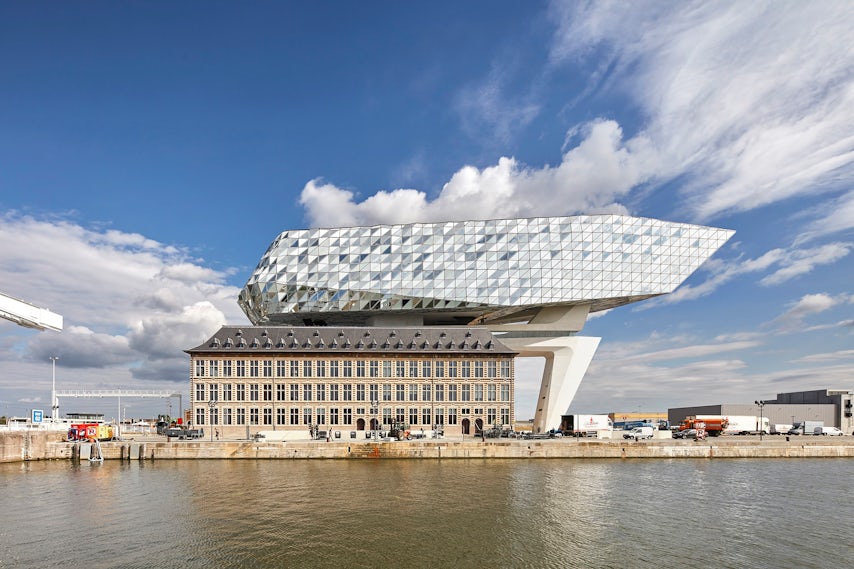
There are numerous benefits to adopting adaptive reuse architecture as a sustainable and innovative approach to revitalizing existing buildings. One of the key advantages is the preservation of historical and cultural heritage. By repurposing older structures, architects are able to honor the past while creating spaces that are relevant and meaningful to modern users. This helps to maintain a sense of continuity and connection between the past and the present, enriching the cultural fabric of a community.
Another benefit of adaptive reuse architecture is its positive impact on the environment. By repurposing existing buildings, architects are able to reduce the need for new construction and minimize the environmental impact of demolition and waste. This helps to conserve resources, reduce energy consumption, and lower greenhouse gas emissions, making adaptive reuse a more sustainable option than traditional new construction.
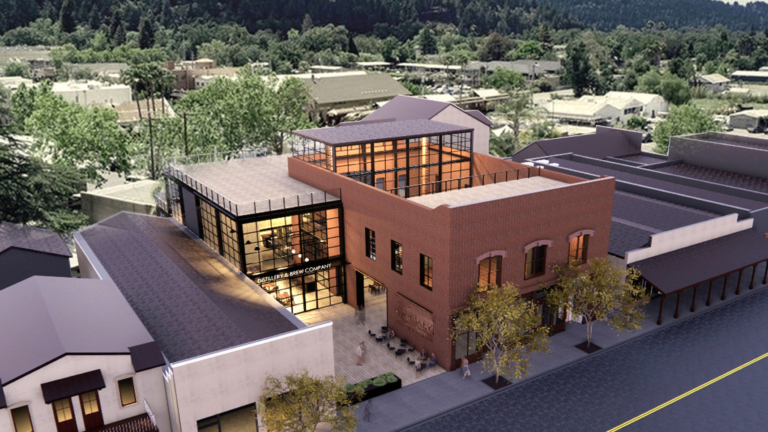
Adaptive reuse architecture also offers economic benefits by revitalizing neighborhoods and communities. By repurposing older structures for new uses, architects are able to attract new businesses, residents, and cultural institutions to areas that may have been neglected or underutilized. This can help to stimulate economic growth, create job opportunities, and increase property values, leading to a more vibrant and diverse community.
Challenges of Adaptive Reuse Architecture
While adaptive reuse architecture offers numerous benefits, it also presents a number of challenges that architects and designers must address. One of the key challenges is the need to balance the preservation of historical and cultural heritage with the demands of modern users. This may involve finding creative solutions to incorporating contemporary amenities and technologies into a historical building without compromising its integrity or character.
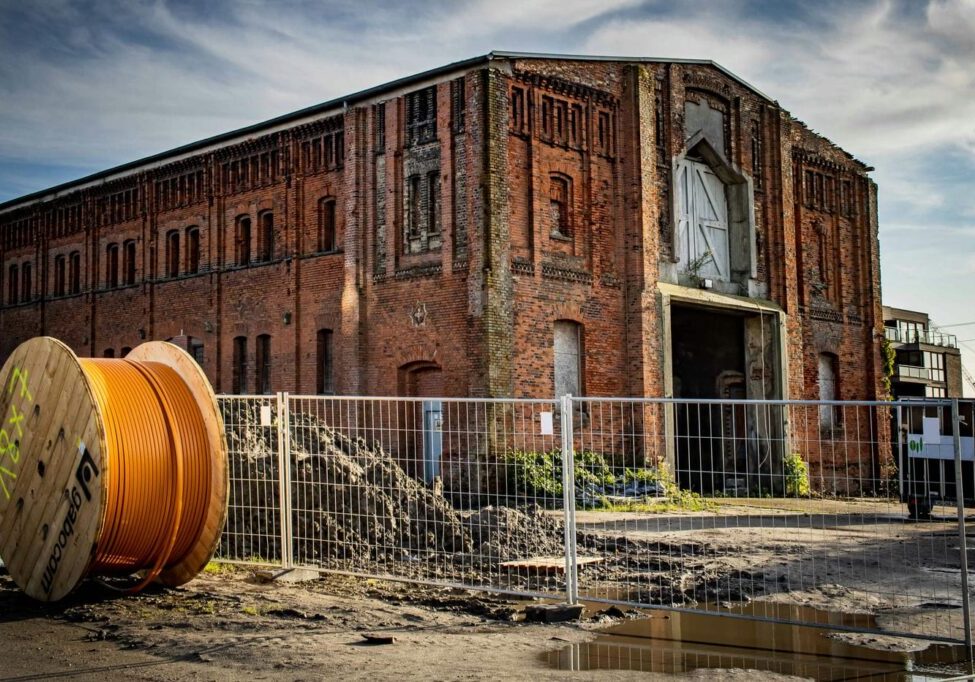
Another challenge is the need to address structural issues and building code requirements when adapting existing buildings for new uses. Many older structures may not meet current building codes or safety standards, requiring architects to find innovative solutions to bring them up to code while preserving their historical integrity. This may involve reinforcing foundations, updating structural systems, or adding fire protection measures to ensure the safety of occupants.
Adaptive reuse architecture also requires a thoughtful approach to sustainability and energy efficiency. While repurposing existing buildings can help to conserve resources and reduce waste, architects must also consider ways to improve the energy performance of these structures to meet modern standards. This may involve upgrading insulation, installing energy-efficient HVAC systems, or incorporating renewable energy sources to reduce the environmental impact of a building.
Examples of Adaptive Reuse Architecture
There are many inspiring examples of adaptive reuse architecture around the world that demonstrate the potential of repurposing existing buildings for new uses. One notable example is the High Line in New York City, a former elevated railway that has been transformed into a public park and greenway. By adapting this obsolete infrastructure for recreational use, architects were able to create a unique and vibrant public space that has become a popular destination for residents and visitors alike.
Another example is the Tate Modern in London, a former power station that has been converted into a world-renowned art museum. By repurposing this industrial building for cultural use, architects were able to create a dynamic and flexible space that showcases contemporary art while preserving the historic character of the original structure. This adaptive reuse project has helped to revitalize the surrounding neighborhood and attract millions of visitors each year.
One more example is the Hotel Emma in San Antonio, Texas, a former brewery that has been transformed into a luxury hotel. By adapting this historic building for hospitality use, architects were able to preserve the industrial character of the brewery while creating a unique and memorable experience for guests. This adaptive reuse project has helped to celebrate the heritage of the building and the history of the site, making it a popular destination for travelers seeking a one-of-a-kind stay.
Future Trends in Adaptive Reuse Architecture
As the demand for sustainable and innovative design solutions continues to grow, adaptive reuse architecture is expected to play an increasingly important role in shaping the future of the built environment. One emerging trend is the use of technology to enhance the adaptive reuse process, such as 3D scanning, virtual reality, and building information modeling (BIM) to better understand and preserve existing structures. These tools can help architects and designers to visualize and plan adaptive reuse projects more effectively, ensuring that historical buildings are preserved and repurposed for future generations.
Another trend is the integration of green building practices and sustainable design principles into adaptive reuse architecture. By incorporating energy-efficient systems, renewable materials, and green technologies into the adaptive reuse process, architects can create buildings that are not only respectful of the past but also environmentally friendly and energy-efficient. This can help to reduce the carbon footprint of existing buildings and contribute to a more sustainable built environment.
Additionally, there is a growing interest in community-driven adaptive reuse projects that engage local residents and stakeholders in the revitalization of existing buildings. By involving the community in the adaptive reuse process, architects can create spaces that reflect the unique needs and aspirations of the people who will use them. This participatory approach can help to build a sense of ownership and pride in the adaptive reuse project, fostering a stronger connection between the building and the community it serves.
Conclusion
Adaptive reuse architecture represents a forward-thinking approach to modern design — one that values preservation, sustainability, and innovation. By breathing new life into existing structures, this design philosophy reduces waste, conserves resources, and preserves cultural heritage while meeting contemporary needs.
As cities continue to evolve, adaptive reuse will play a crucial role in sustainable urban development, transforming abandoned factories, warehouses, and historic buildings into vibrant community spaces, offices, and homes. With the integration of technology, community participation, and green building practices, adaptive reuse architecture stands as a powerful solution to the environmental and social challenges of the 21st century.
Ultimately, adaptive reuse is not just about reimagining old spaces — it’s about reshaping the future of architecture in a way that honors the past while embracing progress.
FAQs
-
What is adaptive reuse architecture?
Adaptive reuse architecture is the process of repurposing existing buildings for new functions instead of demolishing them. It allows architects to preserve a structure’s historical or cultural significance while updating it to meet modern needs — for example, converting an old factory into an art gallery or a warehouse into urban lofts.
-
Why is adaptive reuse important for sustainability?
Adaptive reuse reduces construction waste, energy consumption, and carbon emissions associated with demolishing and rebuilding structures. By reusing existing materials and infrastructure, it promotes a circular economy in the construction industry and supports environmental conservation.
-
What are some examples of adaptive reuse projects?
Examples include transforming industrial buildings into creative offices, churches into libraries, train stations into hotels, and historic homes into museums or cafes. These projects showcase how thoughtful design can blend heritage with modern functionality.
-
How does technology support adaptive reuse architecture?
Modern technologies such as 3D scanning, virtual reality (VR), and Building Information Modeling (BIM) help architects analyze and visualize existing structures. These tools allow for accurate planning, safer renovations, and efficient resource management, ensuring the integrity of the original building while introducing modern upgrades.
-
What challenges do architects face in adaptive reuse projects?
Common challenges include structural limitations, building code compliance, and balancing historical preservation with modern functionality. However, with careful planning and the right technology, these challenges can be transformed into opportunities for creative and sustainable design.
-
How does adaptive reuse benefit local communities?
Adaptive reuse projects often revitalize neglected neighborhoods, create job opportunities, and foster community pride. When local residents are involved in the design or function of a reused space, it builds a sense of ownership and belonging that strengthens the social fabric of the community.
-
Is adaptive reuse more cost-effective than new construction?
In many cases, yes. Although adaptive reuse can involve upfront costs for repairs or restoration, it often saves money in the long run by reusing existing materials and infrastructure. Additionally, governments and organizations sometimes offer grants or tax incentives for historic preservation and sustainability efforts.