
Green Building Materials: A Sustainable Choice for a Better Future
In today’s world of conscious design, sustainability has become more than just a buzzword—it’s a responsibility. Builders, architects, and homeowners are reimagining spaces not only for comfort and style but also for environmental harmony. At the heart of this transformation lies a simple yet powerful concept: green building materials.
These materials are designed, sourced, and manufactured with the planet in mind. From recycled steel to bamboo flooring, they represent a shift toward smarter, cleaner, and more responsible construction practices.
1. Recycled Materials: Giving Waste a Second Life
Recycled materials form the foundation of eco-conscious design. Steel, glass, and plastics that might otherwise end up in landfills are repurposed into durable construction elements.
Recycled steel, for example, retains the same strength as virgin steel but requires far less energy to produce. The result? Lower carbon emissions, reduced waste, and a cleaner planet. Using such materials also helps maintain healthier indoor air quality by reducing the emission of harmful chemicals.
2. Low-VOC Paints and Finishes: Breathing Easy
Traditional paints often release volatile organic compounds (VOCs), which can linger in the air for years. Low-VOC or zero-VOC paints are a healthier alternative, offering vibrant color and long-lasting finish without compromising indoor air quality.
Look for certifications like Green Seal or EcoLogo—signs that the products meet strict environmental standards. A small change in paint choice can make a big difference in the overall well-being of a home.

3. Bamboo Flooring: Nature’s Renewable Elegance
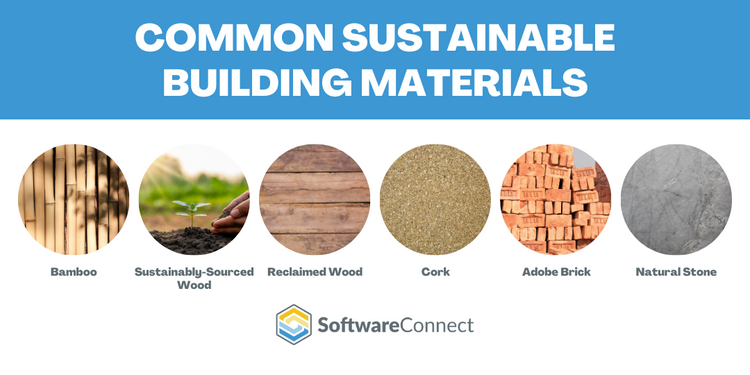
Few materials embody sustainability as gracefully as bamboo. This fast-growing grass can be harvested within a few years and regenerates naturally, making it an ideal renewable resource.
Beyond its green credentials, bamboo flooring is incredibly durable and moisture-resistant, suitable for high-traffic spaces while adding a sleek, modern look. Choosing bamboo certified by the Forest Stewardship Council (FSC) ensures it’s responsibly sourced.

4. Energy-Efficient Windows: Comfort That Saves Energy
Windows are more than architectural features—they’re vital for energy performance. Energy-efficient windows reduce heat transfer, keeping interiors cool in summer and warm in winter.
With technologies like double glazing, low-E coatings, and insulated frames, these windows help lower energy bills and carbon footprints, while inviting natural light to define the mood of each space.
5. Solar Panels: Powering the Future
Few innovations capture the spirit of sustainability like solar panels. By converting sunlight into electricity, they drastically reduce reliance on fossil fuels and can even generate surplus energy.
Besides lowering energy costs, solar installations often qualify for government incentives, making them both eco-friendly and economically wise. A building that generates its own clean energy stands as a symbol of modern responsibility.
6. Green Insulation: Keeping Warm the Natural Way
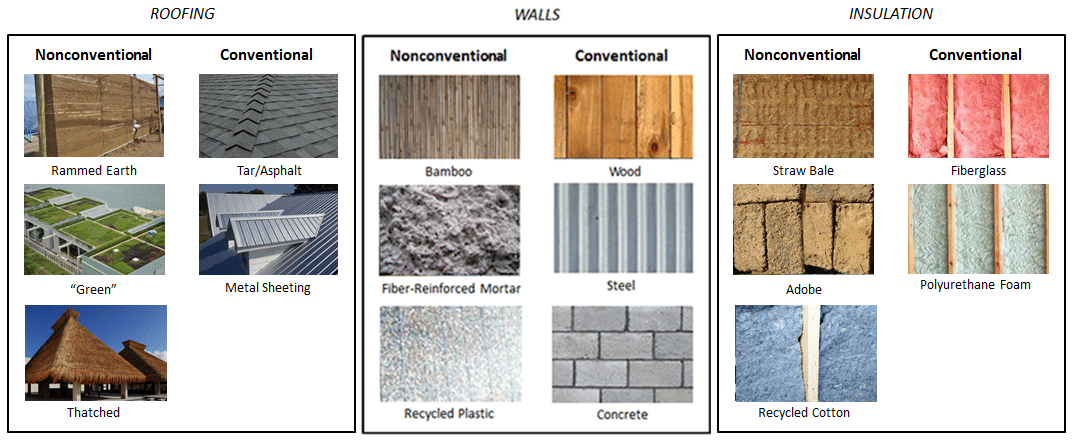
Insulation determines how efficiently a building conserves energy. Instead of fiberglass, modern builders turn to natural alternatives like recycled denim, cellulose, or wool.
These non-toxic materials not only enhance comfort but also minimize environmental impact. The result is a home that breathes naturally—efficient, safe, and inviting.
7. Rainwater Harvesting: Rethinking Every Drop
In an era of climate uncertainty, rainwater harvesting systems offer a smart solution for water conservation. By collecting and reusing rainwater for irrigation or cleaning, buildings can significantly reduce dependence on municipal water sources.
It’s a practical way to conserve resources, prevent flooding, and demonstrate environmental mindfulness.
8. Green Roof Systems: Nature Above Us
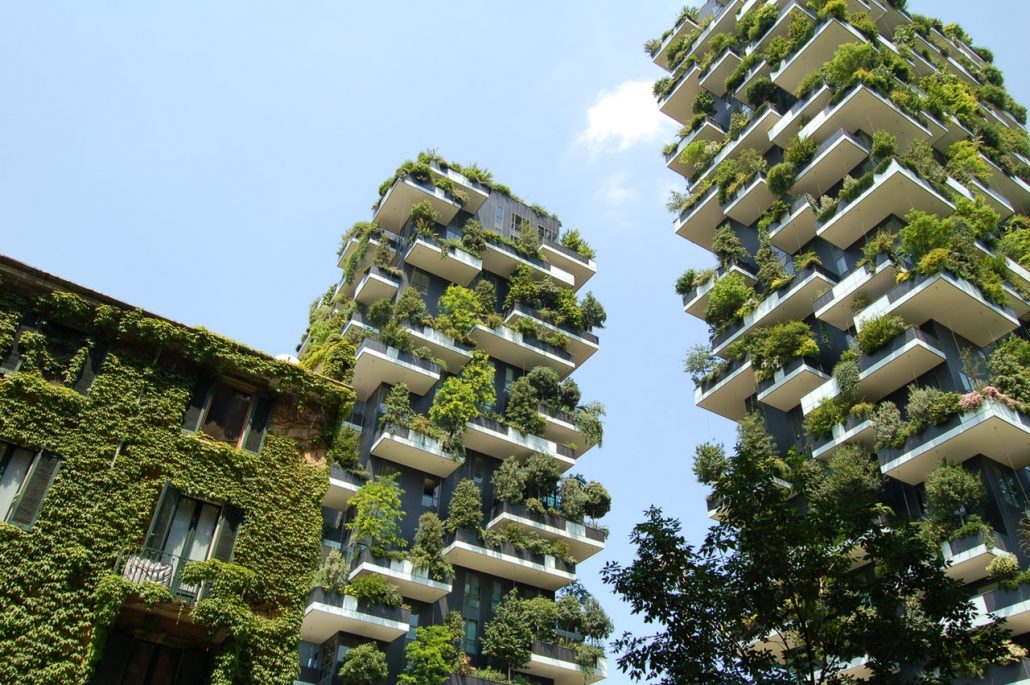
Green roofs transform empty rooftops into living ecosystems. Covered in vegetation, they insulate buildings, filter rainwater, and reduce urban heat island effects.
These lush spaces not only improve energy efficiency but also add aesthetic and ecological value—turning concrete skylines into vibrant habitats.
Conclusion
Sustainability is not about sacrificing beauty or comfort—it’s about redefining them. Green building materials prove that modern design can coexist with environmental responsibility. From recycled steel to solar panels and green roofs, each innovation is a step toward a cleaner, smarter future.
By choosing eco-friendly materials, we don’t just build homes—we build hope for generations to come.
FAQ
Q: What exactly are green building materials?
They’re eco-friendly products designed to minimize environmental harm throughout their life cycle—production, installation, and disposal. Examples include bamboo flooring, recycled steel, and low-VOC paints.
Q: Are they expensive?
Some may cost more upfront, but they usually pay off through lower utility bills, higher durability, and reduced maintenance.
Q: How can I start using them?
Begin small—switch to low-VOC paint, install energy-efficient windows, or explore recycled flooring options. Every mindful choice counts toward a sustainable future.
🌿 A home built with purpose is a home built to last.