
Energy-Saving Appliances for Homes
With the increasing awareness of climate change and the rising costs of energy, many homeowners are turning to energy-saving appliances to reduce their carbon footprint and save money on their utility bills. Energy-efficient appliances not only help the environment but also make a significant impact on your home’s energy consumption. In this article, we will discuss the top energy-saving appliances for homes that can help you reduce your energy usage and save money in the long run.
1. Energy-Efficient Refrigerators
Refrigerators are one of the most energy-consuming appliances in a home, accounting for up to 15% of a household’s electricity usage. Energy-efficient refrigerators use advanced insulation technology and compressors to reduce energy consumption significantly. Look for refrigerators with an Energy Star rating, which indicates that the appliance meets strict energy efficiency guidelines set by the Environmental Protection Agency (EPA).
Additionally, consider the size of the refrigerator you need based on your household’s needs. A larger refrigerator will consume more energy than a smaller one. Features such as adjustable temperature settings, automatic defrost, and energy-saving modes can also help reduce energy consumption.
By investing in an energy-efficient refrigerator, you can reduce your energy usage and lower your monthly utility bills while minimizing your environmental impact.
2. Energy-Efficient Washing Machines
Washing machines are another essential household appliance that consumes a significant amount of energy. Energy-efficient washing machines use less water and electricity compared to traditional models, which can result in substantial energy savings over time. Look for washing machines with an Energy Star rating and features such as load sensors, high-efficiency motors, and shorter cycle times to maximize energy efficiency.
Additionally, consider using cold water settings whenever possible, as heating water accounts for a large portion of a washing machine’s energy consumption. By choosing an energy-efficient washing machine and adopting energy-saving practices, you can reduce your energy usage and lower your utility bills while maintaining clean clothes.
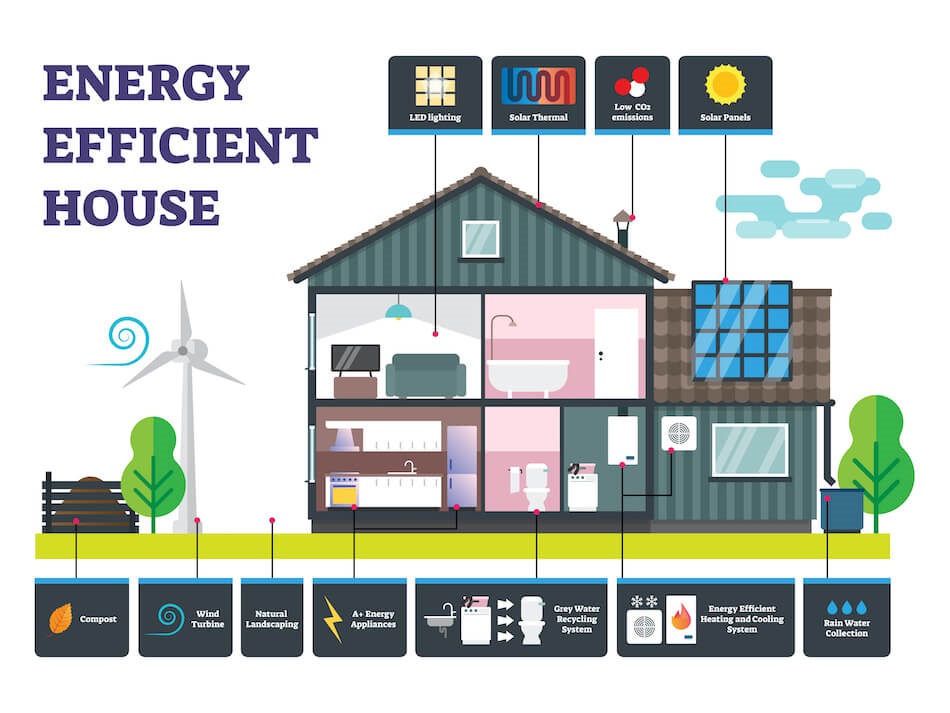
Investing in energy-saving appliances for your home is a smart way to reduce your energy consumption and save money in the long run. By choosing energy-efficient refrigerators, washing machines, and other appliances, you can lower your carbon footprint and contribute to a more sustainable future.
3. Energy-Efficient Dishwashers
Dishwashers are another energy-intensive appliance in many households, but energy-efficient models can help reduce your energy usage significantly. Look for dishwashers with an Energy Star rating, as they are designed to use less water and energy compared to traditional models. Features such as soil sensors, efficient spray arms, and eco-friendly wash cycles can help maximize energy efficiency.

Additionally, consider running your dishwasher during off-peak hours to take advantage of lower electricity rates and reduce your overall energy consumption. By choosing an energy-efficient dishwasher and adopting energy-saving practices, you can save money on your utility bills while reducing your environmental impact.
Overall, investing in energy-saving appliances for your home is a wise decision that can help you lower your energy usage, save money, and protect the environment. By choosing energy-efficient refrigerators, washing machines, dishwashers, and other appliances, you can make a positive impact on your household’s energy consumption and contribute to a more sustainable future.
4. Energy-Efficient Water Heaters

Water heaters are one of the largest energy consumers in a home, accounting for up to 18% of a household’s energy usage. Energy-efficient water heaters use advanced technology such as heat pump systems, tankless designs, and high-efficiency insulation to reduce energy consumption significantly. Look for water heaters with an Energy Star rating and features such as programmable settings, high recovery rates, and efficient heat exchangers to maximize energy efficiency.
Additionally, consider turning down the temperature on your water heater to 120 degrees Fahrenheit to save energy and prevent scalding. Investing in an energy-efficient water heater can help you reduce your energy usage, lower your utility bills, and enjoy reliable hot water throughout your home.
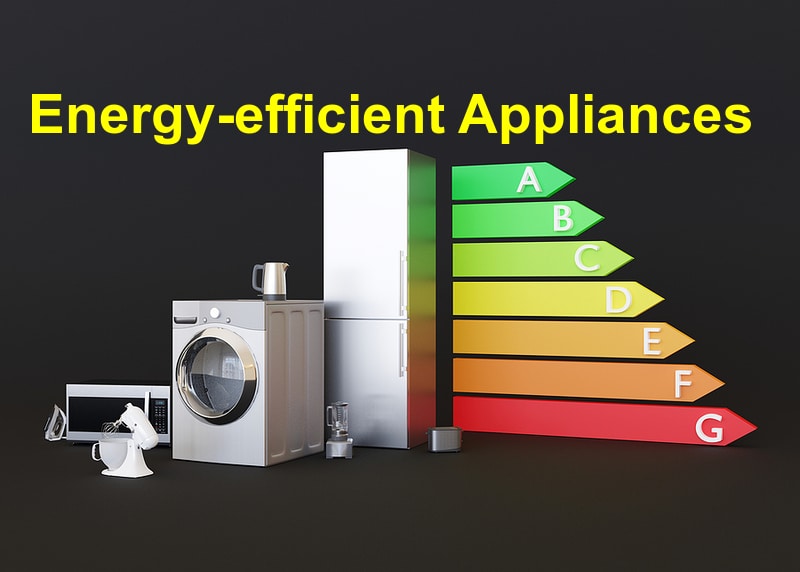
By choosing energy-saving appliances for your home, you can make a positive impact on your energy consumption, save money on your utility bills, and contribute to a more sustainable future. Consider investing in energy-efficient refrigerators, washing machines, dishwashers, water heaters, and other appliances to reduce your carbon footprint and protect the environment.
5. Energy-Efficient HVAC Systems
Heating, ventilation, and air conditioning (HVAC) systems are essential for maintaining a comfortable indoor environment, but they can consume a significant amount of energy. Energy-efficient HVAC systems use advanced technology such as variable-speed motors, high-efficiency filters, and programmable thermostats to reduce energy consumption and improve indoor air quality. Look for HVAC systems with an Energy Star rating and features such as zoning capabilities, smart controls, and energy recovery ventilation to maximize energy efficiency.
Additionally, consider scheduling regular maintenance for your HVAC system to ensure optimal performance and energy efficiency. By investing in an energy-efficient HVAC system, you can lower your energy usage, reduce your utility bills, and enjoy a more comfortable and sustainable home environment.
Overall, energy-saving appliances play a crucial role in reducing your energy consumption, saving money on your utility bills, and protecting the environment. By choosing energy-efficient refrigerators, washing machines, dishwashers, water heaters, HVAC systems, and other appliances, you can make a positive impact on your household’s energy efficiency and contribute to a more sustainable future.
6. Energy-Efficient Lighting
Lighting is an essential aspect of any home, but traditional incandescent bulbs can be energy-intensive and costly to operate. Energy-efficient lighting options such as light-emitting diodes (LEDs) and compact fluorescent lamps (CFLs) use less energy and last longer than traditional bulbs, resulting in significant energy savings over time. Look for energy-efficient lighting products with an Energy Star rating and features such as dimmable settings, motion sensors, and smart controls to maximize energy efficiency.
Additionally, consider using natural light whenever possible by opening curtains and blinds during the day to reduce your reliance on artificial lighting. By investing in energy-efficient lighting solutions for your home, you can lower your energy usage, reduce your utility bills, and create a more sustainable and comfortable living environment.
Investing in energy-saving appliances for your home is a smart way to lower your energy consumption, save money, and protect the environment. By choosing energy-efficient refrigerators, washing machines, dishwashers, water heaters, HVAC systems, and lighting options, you can make a positive impact on your household’s energy efficiency and contribute to a more sustainable future.
7. Energy-Efficient Cooking Appliances
Cooking appliances such as stoves, ovens, and microwaves are essential for preparing meals in any household, but they can be energy-intensive if not used efficiently. Energy-efficient cooking appliances use advanced technology such as induction cooktops, convection ovens, and energy-saving settings to reduce energy consumption and cook food more efficiently. Look for cooking appliances with an Energy Star rating and features such as rapid preheat functions, dual-size burners, and self-cleaning modes to maximize energy efficiency.
Additionally, consider using small appliances such as toaster ovens, slow cookers, and pressure cookers to prepare meals more efficiently and save energy. By investing in energy-efficient cooking appliances and adopting energy-saving cooking practices, you can lower your energy usage, reduce your utility bills, and enjoy delicious meals while minimizing your environmental impact.
By choosing energy-saving appliances for your home, you can make a positive impact on your energy consumption, save money on your utility bills, and contribute to a more sustainable future. Consider investing in energy-efficient refrigerators, washing machines, dishwashers, water heaters, HVAC systems, lighting options, and cooking appliances to reduce your carbon footprint and protect the environment.
8. Energy-Efficient Smart Home Systems
Smart home systems are becoming increasingly popular among homeowners for their convenience, security, and energy-saving capabilities. Energy-efficient smart home systems use advanced technology such as smart thermostats, smart lighting controls, and smart appliances to optimize energy usage and reduce energy consumption. Look for smart home systems with Energy Star-rated devices and features such as remote monitoring, energy usage tracking, and automated energy-saving settings to maximize energy efficiency.
Additionally, consider integrating renewable energy sources such as solar panels and wind turbines into your smart home system to further reduce your energy consumption and reliance on traditional energy sources. By investing in energy-efficient smart home systems, you can lower your energy usage, save money on your utility bills, and enjoy a more comfortable and sustainable living environment.
Overall, energy-saving appliances and smart home systems are essential components of a sustainable and energy-efficient home. By choosing energy-efficient refrigerators, washing machines, dishwashers, water heaters, HVAC systems, lighting options, cooking appliances, and smart home systems, you can make a positive impact on your energy consumption, reduce your carbon footprint, and contribute to a more sustainable future.
Conclusion
Investing in energy-saving appliances for your home is a smart and sustainable choice that can help you reduce your energy usage, save money on your utility bills, and protect the environment. By choosing energy-efficient refrigerators, washing machines, dishwashers, water heaters, HVAC systems, lighting options, cooking appliances, and smart home systems, you can make a positive impact on your household’s energy efficiency and contribute to a more sustainable future for generations to come. These technologies not only make your home more efficient but also enhance comfort, convenience, and overall quality of life. Whether you’re upgrading to an Energy Star-certified appliance, automating your home with smart systems, or integrating renewable energy sources like solar power, every choice contributes to a greener planet and a more sustainable lifestyle.
Moreover, the long-term financial benefits of energy-efficient appliances are undeniable. While the initial investment may be higher, the reduction in monthly utility costs, improved durability, and lower maintenance expenses quickly offset the upfront price. Beyond savings, energy-efficient homes often have higher resale values and appeal more to environmentally conscious buyers, making them a smart investment for the future.
In essence, creating an energy-efficient home is about making intentional, forward-thinking decisions that align with both economic and environmental goals. By embracing energy-saving technologies and sustainable design, homeowners can enjoy a cleaner, smarter, and more cost-effective living environment. The future of home living is green, connected, and efficient—and it starts with the choices we make today.