
Minimalist Interiors: The Beauty of Simplicity
Minimalist interiors have gained popularity in recent years for their clean, serene, and clutter-free aesthetic. This design style focuses on simplicity, functionality, and a sense of calmness. A minimalist interior is characterized by a neutral color palette, simple furniture pieces, and a lack of unnecessary decoration. This article will explore the principles of minimalist interiors and how you can incorporate this style into your own home.
The Benefits of Minimalist Interiors
Minimalist interiors offer numerous benefits beyond just aesthetics. By decluttering your space and simplifying your surroundings, you can create a more peaceful and serene environment. Minimalist design promotes mental clarity and reduces stress by eliminating distractions and excess stuff. Additionally, a minimalist interior can make your space feel larger and more open, even in a small room. This design style also encourages mindfulness and intentionality in your daily life, as you become more conscious of the items you bring into your home.
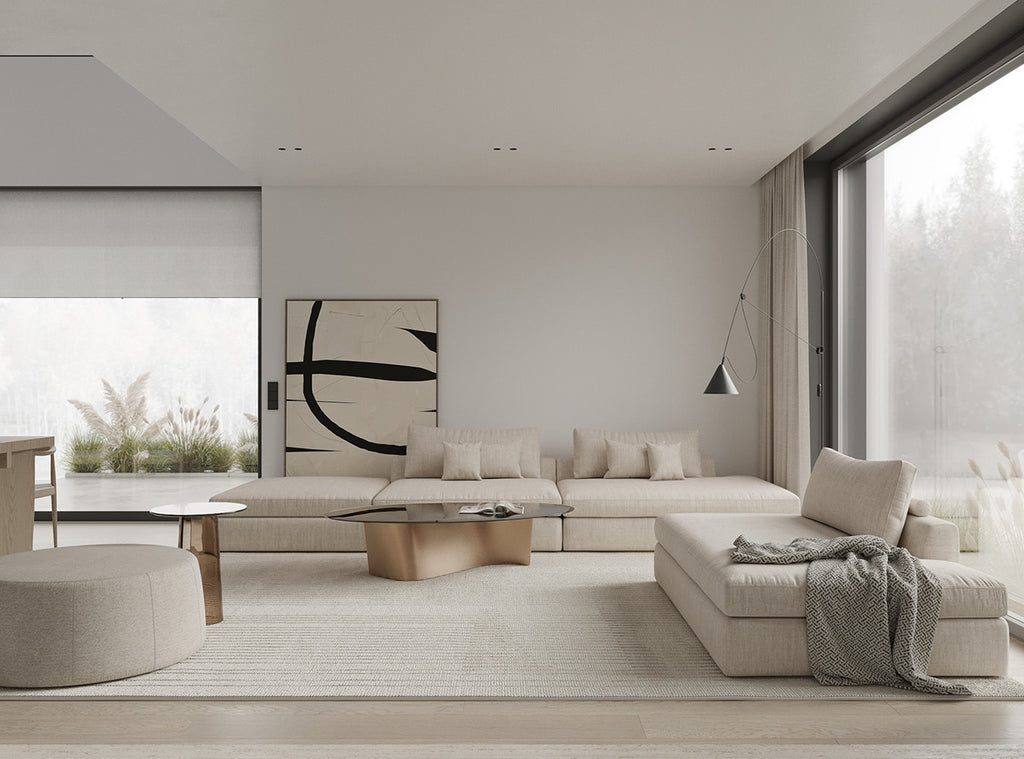
In terms of functionality, minimalist interiors are highly practical and easy to maintain. With fewer items to clean and organize, you can spend less time on household chores and more time enjoying your space. Minimalist design also promotes sustainability by encouraging you to buy fewer, higher-quality items that will last longer. By investing in timeless pieces that you truly love, you can create a space that brings you joy for years to come.
Key Elements of Minimalist Interiors
When designing a minimalist interior, focus on simplicity, functionality, and quality. Start by choosing a neutral color palette of whites, grays, and earth tones to create a sense of calmness and continuity throughout your space. Select furniture with clean lines and minimalistic design, avoiding ornate details and unnecessary embellishments. Opt for multifunctional pieces that serve a purpose and maximize space efficiency.
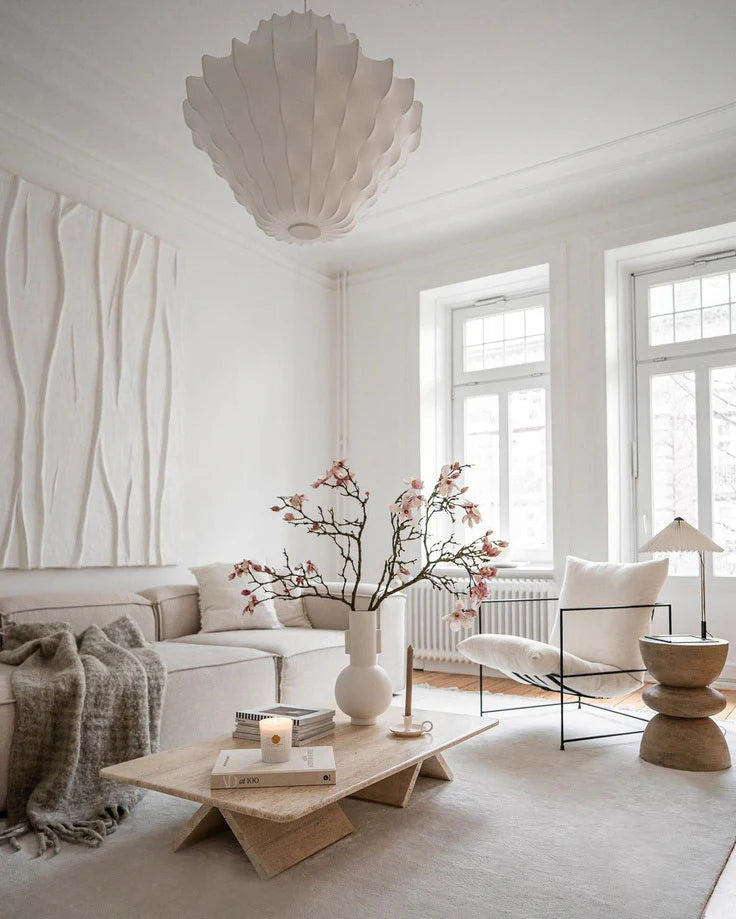
Incorporate natural materials such as wood, stone, and metal to add warmth and texture to your minimalist interior. Choose a few statement pieces, such as a striking light fixture or a piece of artwork, to create visual interest without overwhelming the space. Keep surfaces clutter-free by storing items out of sight in sleek storage solutions. Finally, add greenery and natural elements to bring life and vitality to your minimalist interior.
How to Achieve a Minimalist Look
Achieving a minimalist look in your home is easier than you think. Start by decluttering your space and getting rid of items that you no longer use or love. Keep only the essentials and items that bring you joy. Consider adopting a less is more mentality when decorating, focusing on quality over quantity. Choose furniture and decor pieces that have a purpose and serve a function in your space.
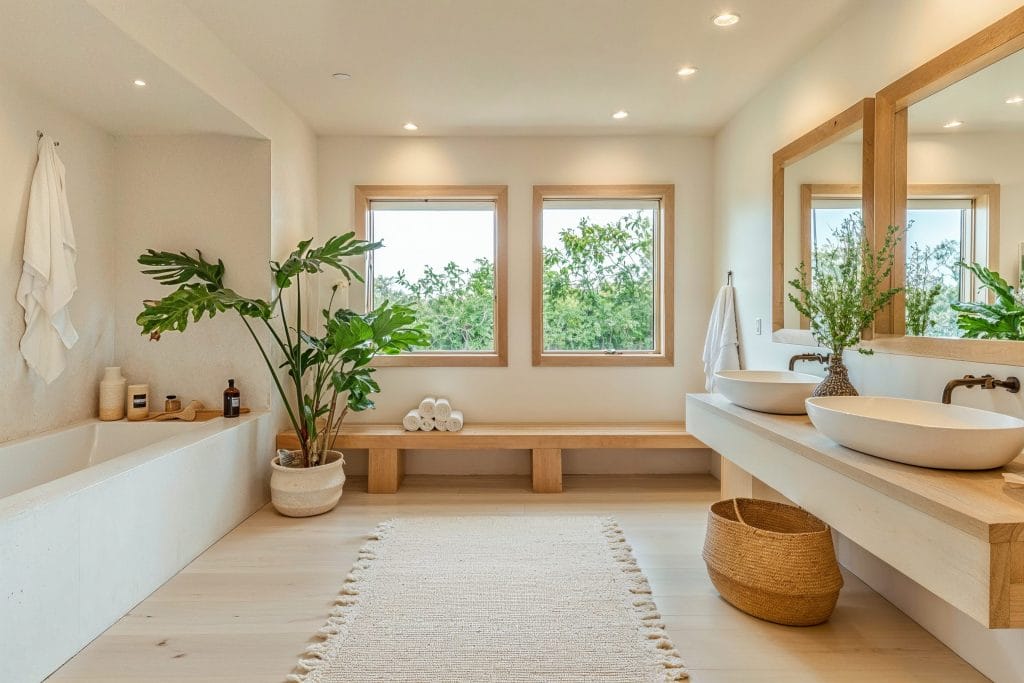
When selecting colors for your minimalist interior, stick to a neutral palette to create a sense of harmony and cohesion. White walls, light wood floors, and natural textiles can help to brighten and open up your space. Add pops of color sparingly through accent pillows, rugs, or artwork to create visual interest without overwhelming the space. Embrace negative space and allow your furniture and decor items to breathe, creating a sense of calmness and tranquility in your home.
Tips for Maintaining a Minimalist Interior
Once you have achieved a minimalist look in your home, it’s important to maintain it by practicing mindfulness and intentionality in your daily life. Regularly assess your space and belongings to ensure that you are not accumulating unnecessary items. Invest in high-quality storage solutions to keep clutter at bay and maintain a sense of order in your home. Resist the urge to impulse buy and instead, carefully consider each purchase to ensure that it aligns with your minimalist values.

Incorporate daily habits such as making your bed, doing a quick tidy-up, and decluttering regularly to keep your space looking clean and organized. Embrace the concept of one in, one out by donating or selling items that you no longer need whenever you bring something new into your home. By adopting these simple practices, you can enjoy the benefits of a minimalist interior for years to come.
The Timeless Appeal of Minimalist Interiors
Minimalist interiors have a timeless appeal that transcends trends and fads. This design style focuses on quality, simplicity, and functionality, creating a space that is both beautiful and practical. By embracing minimalism in your home, you can create a serene and tranquil environment that promotes mental clarity and reduces stress. With its emphasis on mindfulness and intentionality, minimalist design offers a holistic approach to living well.
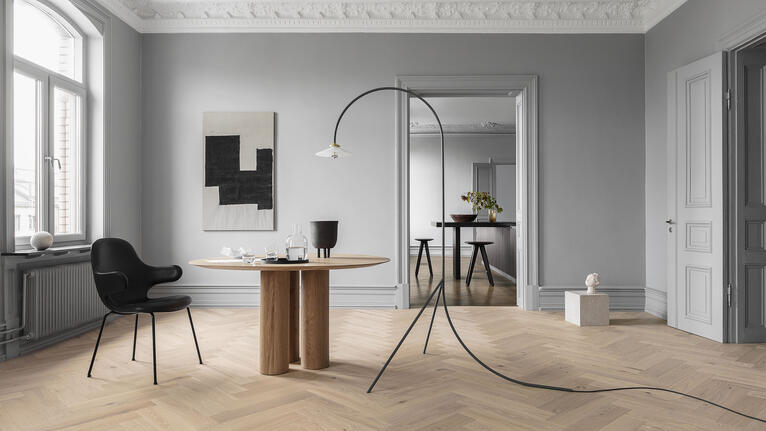
Whether you are looking to declutter your space, simplify your surroundings, or create a more peaceful home, minimalist interiors are a versatile and adaptable design style that can suit any taste or lifestyle. By incorporating the principles of minimalism into your home, you can create a space that is both aesthetically pleasing and highly functional. Embrace the beauty of simplicity and discover the transformative power of minimalist interiors in your own home.
FAQs about Minimalist Interiors
Q: How can I incorporate color into a minimalist interior?
A: While minimalist interiors typically feature a neutral color palette, you can incorporate color through accent pieces such as pillows, rugs, or artwork. Choose a few statement pieces in bold hues to create visual interest without overwhelming the space.
Q: What are some key furniture pieces for a minimalist interior?

A: Key furniture pieces for a minimalist interior include a sleek sofa, a minimalist dining table, and a streamlined bed frame. Opt for furniture with clean lines and minimalistic design to complement the simplicity of the space.
Q: How can I make a small space feel larger with minimalist design?
A: To make a small space feel larger with minimalist design, choose furniture with slim profiles and open legs to create a sense of airiness. Use mirrors to reflect light and create the illusion of space. Keep surfaces clutter-free to maximize visual space.

In conclusion, minimalist interiors offer a wealth of benefits beyond just aesthetics. By embracing simplicity, functionality, and quality in your home, you can create a space that is both beautiful and practical. With its emphasis on mindfulness and intentionality, minimalist design promotes mental clarity, reduces stress, and fosters a sense of calmness and tranquility. Whether you are looking to declutter your space, simplify your surroundings, or create a more peaceful home, minimalism offers a versatile and timeless design style that can enhance any space. Embrace the beauty of simplicity and discover the transformative power of minimalist interiors in your own home.