
Smart Building Innovations: Revolutionizing the Future of Real Estate
As technology continues to advance at a rapid pace, the real estate industry is no exception. Smart building innovations are transforming the way buildings are designed, constructed, and managed. From energy-efficient systems to automated security measures, these innovations are reshaping the future of real estate. In this article, we will explore the latest smart building technologies that are revolutionizing the industry.
1. IoT Integration
The Internet of Things (IoT) is a key driver of smart building innovations. By connecting devices and systems through a network, buildings can become more efficient, sustainable, and secure. IoT sensors can collect and analyze data on energy usage, occupancy levels, and air quality, allowing building managers to make data-driven decisions to optimize performance. This real-time data can help identify areas for improvement, such as reducing energy waste or enhancing occupant comfort.
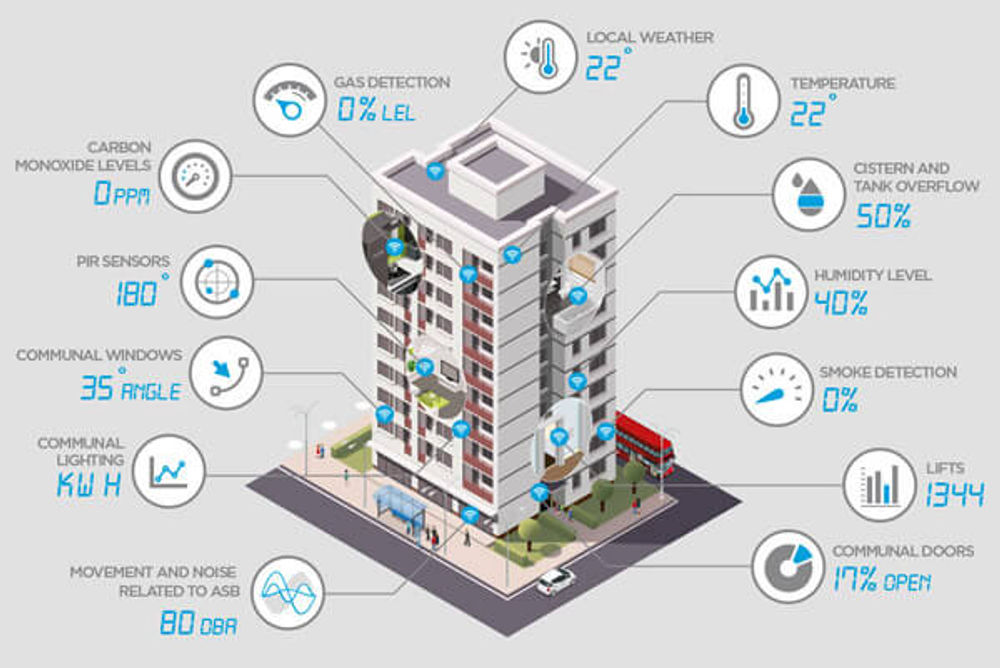
IoT integration also enables smart buildings to automate processes, such as adjusting lighting and temperature settings based on occupancy levels or scheduling maintenance tasks. This not only improves operational efficiency but also enhances the overall experience for occupants. With the rise of smart home devices, tenants can also benefit from connected features that make their daily lives more convenient and comfortable.
Incorporating IoT technology into building design can lead to significant cost savings and environmental benefits. By monitoring and controlling building systems in real-time, energy usage can be optimized to reduce utility costs and minimize carbon emissions. With the ability to remotely monitor and manage building operations, property owners can also ensure that their assets are well-maintained and secure.
2. Energy Management Systems

Energy management systems are essential components of smart buildings, enabling property owners to monitor and control energy usage in real-time. These systems use sensors and analytics to track energy consumption, identify inefficiencies, and optimize performance. By integrating energy management systems with other building systems, such as HVAC and lighting, property owners can reduce energy waste and lower utility costs.
Smart meters and submeters are key tools in energy management systems, providing detailed insights into how energy is being used throughout a building. By analyzing this data, property owners can identify opportunities to improve energy efficiency, such as upgrading to energy-efficient appliances or implementing demand response strategies. These systems can also help property owners comply with energy regulations and certifications, such as LEED or Energy Star.

Energy management systems also play a crucial role in sustainability efforts, helping property owners reduce their carbon footprint and promote environmentally-friendly practices. By integrating renewable energy sources, such as solar panels or wind turbines, into the building’s energy system, property owners can generate clean energy and reduce reliance on traditional power sources. This not only benefits the environment but also enhances the building’s resiliency and energy independence.
3. Smart Security Systems
Security is a top priority for building owners and occupants, and smart security systems are revolutionizing the way buildings are protected. These systems use advanced technologies, such as biometric authentication, video surveillance, and access control, to monitor and secure building entrances, common areas, and sensitive areas. By integrating these systems with IoT technology, building owners can remotely monitor and manage security operations in real-time.
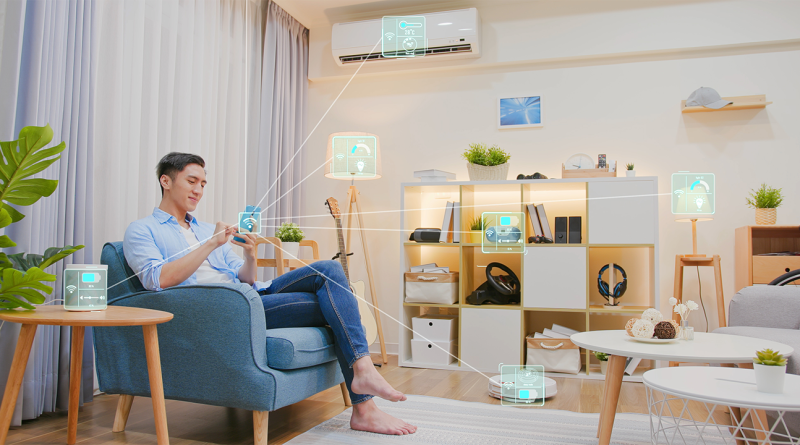
Smart security systems also offer proactive security measures, such as predictive analytics and AI-powered algorithms, to detect and prevent security threats before they occur. By analyzing data from sensors and surveillance cameras, these systems can identify suspicious behavior, unauthorized access, or potential security breaches and alert security personnel or building managers. This real-time monitoring and response capability can help prevent theft, vandalism, or other security incidents.
In addition to protecting physical assets and occupants, smart security systems also enhance the overall safety and well-being of building occupants. By integrating emergency response systems, such as fire alarms and evacuation plans, building owners can ensure that occupants are notified and guided to safety in the event of an emergency. These systems can also provide real-time updates and communication to building occupants, helping them stay informed and prepared for any situation.
4. Automated Building Management Systems
Building management systems are essential for maintaining the functionality and efficiency of buildings, and automation is revolutionizing the way these systems operate. Automated building management systems use AI-powered algorithms, machine learning, and predictive analytics to optimize building operations, such as HVAC, lighting, and maintenance. By automating routine tasks and processes, building managers can improve operational efficiency, reduce costs, and enhance occupant comfort.
Through IoT integration, automated building management systems can collect and analyze data on building performance, energy usage, and occupant behavior to make data-driven decisions. These systems can adjust settings in real-time based on occupancy levels, weather conditions, or energy demand, ensuring that building systems operate at peak efficiency. By automating maintenance tasks, such as scheduling equipment inspections or repairs, building managers can prevent costly downtime and prolong the lifespan of building assets.
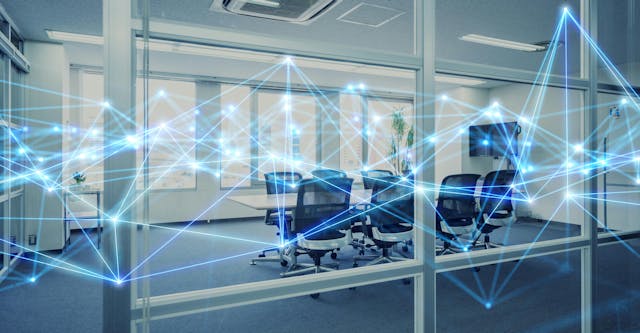
Automated building management systems also offer remote monitoring and control capabilities, allowing building managers to access and manage building systems from anywhere, at any time. This real-time visibility and control can help identify and address issues before they escalate, ensuring that building operations run smoothly and efficiently. With the ability to set alerts and notifications for critical events, building managers can stay informed and proactive in managing building operations.
5. Indoor Air Quality Monitoring
Indoor air quality is a crucial factor in occupant health and comfort, and smart building innovations are helping to improve air quality monitoring and management. Indoor air quality monitoring systems use sensors to measure air pollutants, humidity levels, and temperature, providing real-time data on indoor air quality. By analyzing this data, building managers can identify sources of air pollution, such as volatile organic compounds or allergens, and take corrective actions to improve air quality.
Smart building technologies, such as HVAC systems with air purification capabilities or natural ventilation systems, can help remove pollutants and improve indoor air quality. By integrating these systems with indoor air quality monitoring systems, building managers can optimize ventilation rates, filtration systems, and humidity levels to create a healthier and more comfortable indoor environment. These improvements not only benefit occupant health but also enhance productivity and well-being.
Indoor air quality monitoring systems can also help building owners comply with indoor air quality regulations and certifications, such as WELL or RESET. By monitoring air quality metrics, such as CO2 levels or particulate matter concentrations, building owners can ensure that indoor environments meet health and safety standards. These systems can also provide real-time alerts and notifications for abnormal air quality conditions, allowing building managers to take immediate action to mitigate risks.
6. Sustainable Building Materials
Sustainability is a growing trend in the real estate industry, and smart building innovations are driving the adoption of sustainable building materials. From energy-efficient insulation to recycled materials, sustainable building materials offer numerous benefits, such as reduced environmental impact, lower maintenance costs, and improved occupant health. By incorporating these materials into building design and construction, property owners can create healthier, more efficient, and more environmentally-friendly buildings.
Smart building innovations, such as digital modeling and 3D printing, are enabling architects and designers to explore new materials and construction techniques that promote sustainability. By using advanced technologies to simulate building performance, optimize material usage, and reduce waste, designers can create buildings that are more energy-efficient, durable, and aesthetically pleasing. These innovations not only benefit the environment but also enhance the value and marketability of properties.
Sustainable building materials also offer financial benefits for property owners, such as lower operating costs, increased property value, and reduced liability risks. By using materials that are durable, energy-efficient, and low-maintenance, property owners can prolong the lifespan of building assets and reduce the need for costly repairs or replacements. These materials can also help property owners attract and retain tenants who value sustainability and environmental responsibility.
7. Smart Lighting Systems
Lighting plays a significant role in building design, occupant comfort, and energy efficiency, and smart lighting systems are revolutionizing the way buildings are illuminated. Smart lighting systems use LED technology, sensors, and automation to adjust lighting levels, colors, and schedules based on occupancy, daylight, and energy demand. By integrating these systems with building management systems, property owners can reduce energy consumption, improve lighting quality, and enhance occupant well-being.
LED lighting is a key component of smart lighting systems, offering numerous benefits, such as energy efficiency, durability, and flexibility. By using LED fixtures with dimming capabilities, daylight sensors, and motion sensors, property owners can optimize lighting levels to meet occupant needs and preferences. These systems can also integrate with IoT devices, such as smart switches or voice-controlled assistants, to provide convenient and customizable lighting options for occupants.
Smart lighting systems also offer advanced features, such as circadian lighting and tunable white light, to enhance occupant health and productivity. By adjusting lighting color temperatures and intensities throughout the day, these systems can mimic natural daylight patterns and promote circadian rhythms. This not only improves occupant comfort but also reduces fatigue, eyestrain, and headaches. By incorporating these features into building design, property owners can create healthier, more productive, and more attractive spaces.
8. Data Analytics and Predictive Maintenance
Data analytics and predictive maintenance are essential tools for optimizing building performance, reducing costs, and enhancing occupant satisfaction. By analyzing data from building systems, sensors, and IoT devices, property owners can gain insights into energy usage, equipment performance, and occupant behavior. This data can help identify patterns, trends, and anomalies that can be used to improve building operations, prevent equipment failures, and optimize maintenance schedules.
Predict