
Eco-Conscious Living Spaces: Creating Sustainable Homes for a Greener Future
As our society becomes more aware of the impact of our actions on the environment, the demand for eco-conscious living spaces is on the rise. People are looking for ways to reduce their carbon footprint, minimize waste, and live a more sustainable lifestyle. From energy-efficient appliances to eco-friendly building materials, there are countless ways to create a home that is both stylish and environmentally friendly. In this article, we will explore the various ways you can incorporate eco-conscious principles into your living space, from design to decor.
1. Energy-Efficient Lighting
One of the easiest ways to reduce your home’s energy consumption is by switching to energy-efficient lighting. LED bulbs use significantly less energy than traditional incandescent bulbs and last much longer, making them a cost-effective and eco-friendly choice. Additionally, consider installing dimmer switches or motion sensors to further reduce your energy usage. Natural light is also a great way to illuminate your space without relying on electricity, so be sure to take advantage of windows and skylights when designing your home.
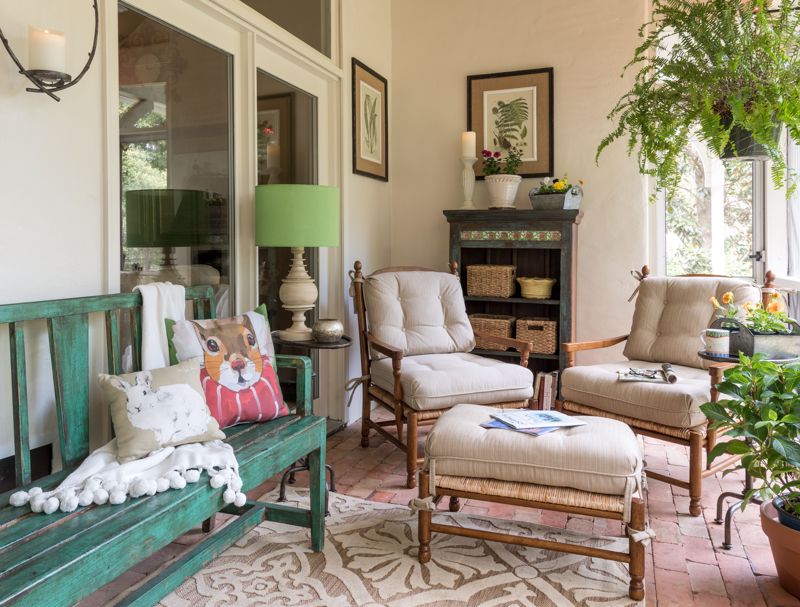
Another way to reduce your energy consumption is by incorporating smart technology into your lighting system. Smart bulbs can be controlled remotely via a smartphone app, allowing you to adjust the brightness and color temperature of your lights to suit your needs. Some smart bulbs even have built-in sensors that can detect when you enter or leave a room, automatically turning the lights on and off to save energy.
In addition to energy-efficient lighting, consider using solar-powered outdoor lights to illuminate your garden or patio. Solar lights are powered by the sun’s energy, making them a sustainable and cost-effective option for outdoor lighting.
2. Sustainable Building Materials

When building or renovating your home, consider using sustainable building materials that have minimal impact on the environment. Materials such as bamboo, cork, and reclaimed wood are all eco-friendly options that are both durable and aesthetically pleasing. These materials are often sourced from renewable or recycled sources, making them a sustainable choice for eco-conscious homeowners.
In addition to sustainable materials, consider incorporating energy-efficient insulation into your home to reduce heat loss and save on energy costs. Materials such as cellulose, wool, and recycled denim are all excellent choices for insulation that can help regulate the temperature in your home and reduce your carbon footprint.
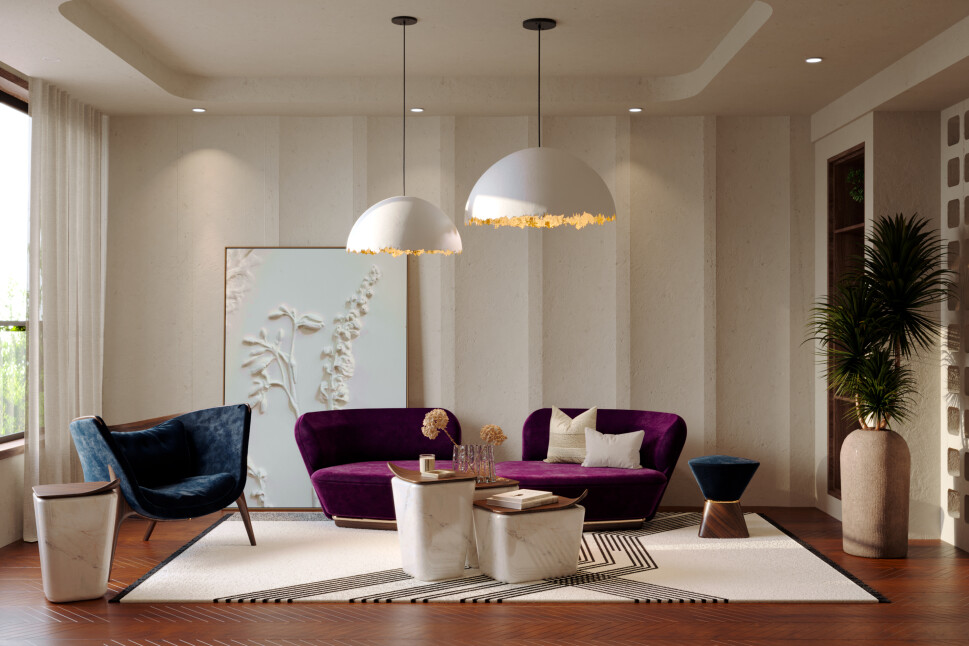
Another important consideration when choosing building materials is their longevity and recyclability. Opt for materials that are durable and can be easily recycled at the end of their life cycle to minimize waste and reduce your environmental impact.
3. Indoor Air Quality
Indoor air quality is an important factor to consider when creating an eco-conscious living space. Poor air quality can have a negative impact on your health and well-being, so it’s essential to ensure that your home is well-ventilated and free of harmful pollutants. To improve air quality in your home, consider installing an air purification system or incorporating houseplants that can help filter out toxins and improve indoor air quality.

In addition to air purification systems, be mindful of the products you use in your home, such as cleaning supplies, paints, and furniture. Many conventional products contain harmful chemicals that can contribute to poor indoor air quality, so opt for eco-friendly alternatives that are free of harmful toxins. Look for products that are labeled as low-VOC (volatile organic compounds) or eco-friendly to ensure that your home is a healthy and sustainable environment.
Another way to improve indoor air quality is by incorporating natural ventilation into your home. Open windows and doors to allow fresh air to circulate throughout your space, and consider installing a ventilation system that can help remove stale air and bring in fresh, clean air from outside.
4. Water Conservation
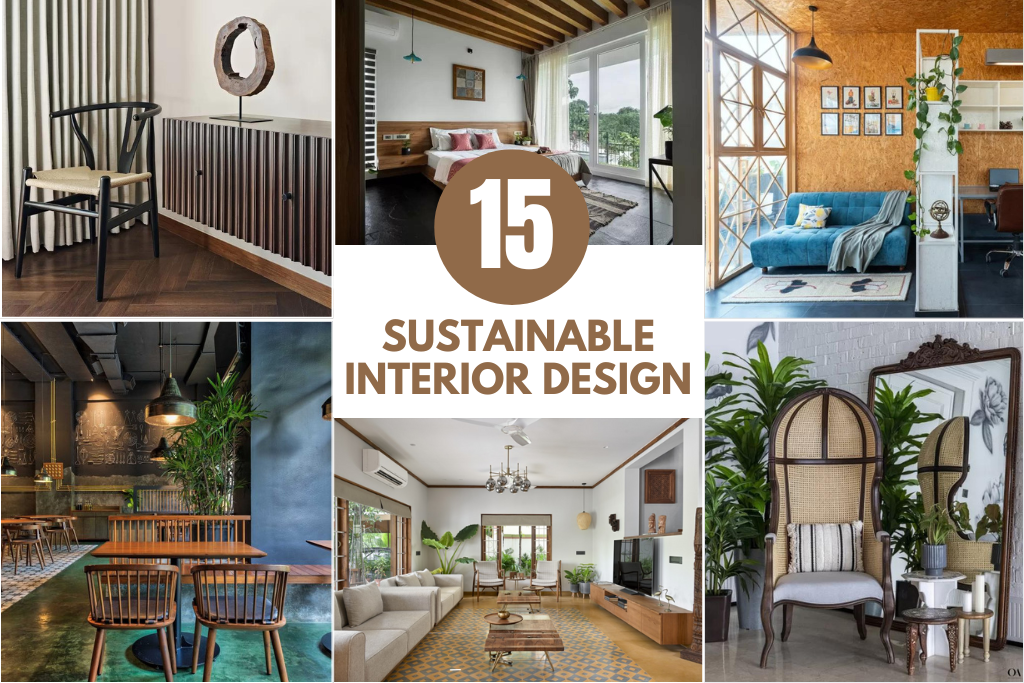
Water conservation is another important aspect of creating an eco-conscious living space. By reducing your water usage, you can help conserve this precious resource and reduce your impact on the environment. One way to conserve water is by installing low-flow fixtures in your home, such as faucets, showerheads, and toilets. These fixtures are designed to use less water without sacrificing performance, making them a cost-effective and sustainable choice for eco-conscious homeowners.
Another way to conserve water is by incorporating water-saving practices into your daily routine. Simple actions such as turning off the tap while brushing your teeth, fixing leaks promptly, and watering your garden with a drip irrigation system can all help reduce your water usage and lower your water bill.

In addition to reducing water usage, consider harvesting rainwater to use for irrigation or other non-potable purposes in your home. Rainwater harvesting systems can help reduce your reliance on municipal water sources and provide a sustainable alternative for watering your plants or flushing your toilets.
5. Waste Reduction
Reducing waste is a key component of living sustainably and creating an eco-conscious living space. By minimizing the amount of waste you produce, you can help reduce your impact on the environment and lower your carbon footprint. One way to reduce waste is by incorporating recycling and composting into your daily routine. Separate your recyclables from your trash and compost food scraps and yard waste to divert waste from landfills and reduce greenhouse gas emissions.

Another way to reduce waste is by choosing products with minimal packaging or packaging that is recyclable or compostable. Opt for products that are sold in bulk or with minimal packaging to reduce the amount of waste you generate and minimize your environmental impact.
In addition to reducing waste, consider repurposing or upcycling old items to give them a new life and prevent them from ending up in a landfill. Get creative and think of ways to repurpose old furniture, clothing, or household items to create unique and stylish decor for your eco-conscious living space.
6. Sustainable Furniture and Decor
When furnishing and decorating your eco-conscious living space, opt for sustainable furniture and decor that is made from natural, renewable, or recycled materials. Look for furniture made from FSC-certified wood, bamboo, or reclaimed materials to ensure that your home is stylish and environmentally friendly.
In addition to sustainable materials, consider choosing furniture and decor that is timeless and durable to reduce the need for frequent replacements. Investing in high-quality pieces that will last for years to come can help reduce waste and minimize your environmental impact.
Another way to create a sustainable living space is by incorporating vintage or second-hand furniture and decor into your home. Thrift stores, flea markets, and online marketplaces are great places to find unique and affordable pieces that can add character and charm to your space while reducing waste and supporting a circular economy.
7. Energy-Efficient Appliances
Upgrading to energy-efficient appliances is another way to reduce your home’s energy consumption and create a more eco-conscious living space. Look for appliances that are Energy Star certified, as these models are designed to use less energy and water without sacrificing performance. From refrigerators and dishwashers to washing machines and water heaters, there are many energy-efficient options available to help you save money on your utility bills and reduce your carbon footprint.
When shopping for new appliances, consider the size and capacity of the appliance to ensure that it meets your needs without wasting energy. Opt for appliances with smart features that allow you to customize settings and optimize energy usage, such as delayed start times or eco-friendly modes.
In addition to upgrading to energy-efficient appliances, consider incorporating smart home technology into your living space to further reduce your energy consumption. Smart thermostats, lighting systems, and home automation devices can help you monitor and control your energy usage, saving you money and reducing your environmental impact.
8. Outdoor Living Spaces
Creating sustainable outdoor living spaces is another way to reduce your environmental impact and enjoy the beauty of nature right outside your door. When designing your outdoor space, consider using eco-friendly materials such as permeable pavers, reclaimed wood, and native plants that require minimal water and maintenance.
Another way to create a sustainable outdoor living space is by incorporating water-saving features such as rain gardens, drought-tolerant plants, and rain barrels for collecting rainwater. These features can help reduce your water usage, lower your water bill, and create a beautiful and eco-friendly landscape for you to enjoy.
In addition to sustainable materials and water-saving features, consider adding solar-powered outdoor lighting, a vegetable garden, or a compost bin to further enhance the sustainability of your outdoor living space. These features can help reduce your energy consumption, provide fresh produce, and minimize waste, creating a truly eco-conscious outdoor oasis for you to relax and unwind in.
Conclusion
Creating an eco-conscious living space is not only good for the environment, but it can also improve your health and well-being. By incorporating energy-efficient lighting, sustainable building materials, indoor air quality improvements, water conservation practices, waste reduction strategies, sustainable furniture and decor, energy-efficient appliances, and sustainable outdoor living spaces into your home, you can reduce your carbon footprint and create a space that is both stylish and environmentally friendly.
Remember that small changes can make a big impact, so start by making one eco-conscious choice at a time and gradually incorporate more sustainable practices into your daily life. By taking steps to live more sustainably, you can help protect the planet for future generations and create a greener, healthier home for yourself and your loved ones.
FAQs
1. How can I make my home more eco-friendly?
There are many ways to make your home more eco-friendly, including using energy-efficient lighting such as LED bulbs, installing smart thermostats, and choosing appliances with Energy Star certification. You can also improve insulation to reduce heating and cooling costs, use eco-friendly cleaning products, and switch to renewable energy sources like solar panels. Additionally, consider recycling, composting, and purchasing sustainable furniture made from reclaimed or responsibly sourced materials to further minimize your environmental impact.
2. What are some affordable ways to create an eco-conscious home?
Creating an eco-conscious home doesn’t have to be expensive. Start small with simple actions such as switching to reusable bags and bottles, air-drying clothes, and using natural cleaning agents like vinegar and baking soda. You can also reduce water usage by installing low-flow faucets and showerheads, fixing leaks promptly, and collecting rainwater for outdoor use. Over time, these small, budget-friendly changes add up to make a significant difference.
3. How does eco-friendly living improve health and well-being?
Eco-friendly living promotes better health by improving indoor air quality and reducing exposure to harmful chemicals. Using low-VOC paints, natural materials, and non-toxic cleaning products helps prevent respiratory issues and allergies. Additionally, incorporating plants indoors can purify the air, boost mood, and enhance overall well-being. Living sustainably also fosters a greater connection to nature and encourages mindfulness in daily habits.
4. Can sustainable design still be stylish?
Absolutely! Sustainable design is about blending aesthetics with responsibility. Modern eco-conscious interiors often feature minimalist designs, natural textures, and earthy color palettes that create a calm and inviting atmosphere. Reclaimed wood furniture, recycled metal fixtures, and organic fabrics can make your home both chic and environmentally friendly. Sustainability and style go hand in hand when creativity and purpose guide your design choices.
5. What is the most impactful step to start living sustainably at home?
The most impactful step is to reduce energy consumption—it benefits both the environment and your wallet. Switch to LED lighting, unplug electronics when not in use, and adjust your thermostat settings for better efficiency. Once you’ve tackled energy use, you can expand your efforts to include waste reduction, water conservation, and sustainable purchasing habits. Every small action counts, and consistency leads to lasting impact.
In conclusion, embracing eco-conscious living is a meaningful way to align your lifestyle with environmental responsibility. By making mindful choices in design, energy use, and daily habits, you can create a home that’s sustainable, healthy, and beautiful. Start where you are, use what you have, and take one step at a time toward building a greener, more sustainable future.